Company at a Glance
Price
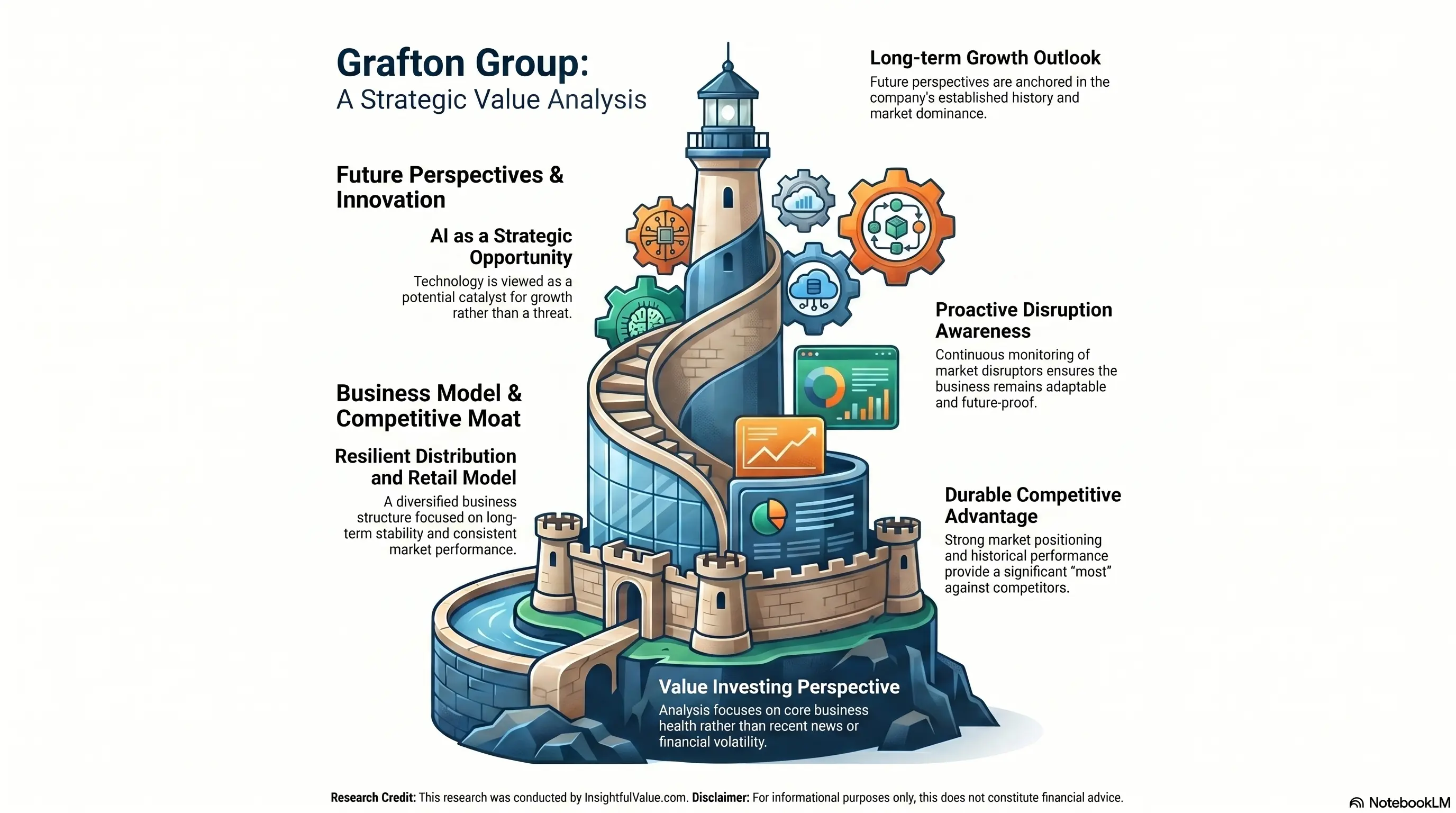
Infographic
Overview
The Grafton Group is an Irish multinational company that specializes in the distribution of building materials and DIY products. It was founded in 1902 and is headquartered in Dublin, Ireland. The company operates in several countries including Ireland, the UK, the Netherlands, and Belgium.
The Grafton Group has a diverse portfolio of operating brands, including Grafton Merchanting, Buildbase, Selco, Chadwicks, Heiton Buckley, MacBlair, and Leyland SDM. These brands cater to different sectors of the building and construction industry, providing a wide range of products such as timber, plumbing and heating supplies, building materials, tools, and hardware.
The company has a strong market presence and is one of the largest building materials distributors in the UK and Ireland. It has over 650 branches and employs more than 12,000 people across its operations. The Grafton Group also has a significant online presence, allowing customers to purchase products and access a range of services through its websites.
The Grafton Group is committed to sustainability and has implemented various initiatives to reduce its environmental impact, including using solar panels in its offices and warehouses. It has also launched a sustainability strategy, covering areas such as waste management, energy efficiency, and sustainable sourcing policies.
In addition to its core business, the Grafton Group is also involved in various philanthropic initiatives, supporting charities and community projects in the areas in which it operates. Overall, the company has a strong reputation for its products, services, and commitment to corporate responsibility.
How to explain to a 10 year old kid about the company?

📈 Want to read more about Grafton Group?
Sign up for free
or
log in
🔓 Unlock our free guide: "The Checklist Value Investor — A Smarter Way to Pick Stocks"
VGhlIEdyYW Z0b24gR3Jv dXAgaXMgYS Bjb21wYW55 IHRoYXQgaG VscHMgYnVp bGQgYW5kIG ZpeCB0aGlu Z3MhIEltYW dpbmUgd2hl biBzb21lb2 5lIHdhbnRz IHRvIGJ1aW xkIGEgaG91 c2Ugb3IgYS BzdG9yZSwg dGhleSBuZW VkIGxvdHMg b2YgbWF0ZX JpYWxzIGxp a2UgYnJpY2 tzLCB3b29k LCBhbmQgdG 9vbHMuIEdy YWZ0b24gR3 JvdXAgc2Vs bHMgYWxsIG 9mIHRob3Nl IG1hdGVyaW FscyBhbmQg c3VwcGxpZX MgdG8gYnVp bGRlcnMgYW 5kIGNvbnN0 cnVjdGlvbi B3b3JrZXJz Ljxicj5UaG V5IG1ha2Ug bW9uZXkgYn kgc2VsbGlu ZyB0aGVzZS Bwcm9kdWN0 cy4gV2hlbi BhIGNvbnN0 cnVjdGlvbi B3b3JrZXIg Z29lcyB0by BhIHN0b3Jl IG93bmVkIG J5IEdyYWZ0 b24gR3JvdX AgdG8gYnV5 IGl0ZW1zLC B0aGV5IHBh eSBtb25leS Bmb3IgdGhv c2UgdGhpbm dzLiBUaGUg bW9yZSBidW lsZGVycyBh bmQgd29ya2 VycyB0aGVy ZSBhcmUsIG FuZCB0aGUg bW9yZSBidW lsZGluZ3Mg dGhhdCBuZW VkIHRvIGJl IG1hZGUgb3 IgZml4ZWQs IHRoZSBtb3 JlIEdyYWZ0 b24gR3JvdX Agc2VsbHMu PGJyPkdyYW Z0b24gR3Jv dXAgaXMgc3 VjY2Vzc2Z1 bCBmb3IgYS BmZXcgcmVh c29ucy4gRm lyc3QsIHRo ZXkgaGF2ZS BiZWVuIGFy b3VuZCBmb3 IgYSBsb25n IHRpbWUsIH NvIG1hbnkg cGVvcGxlIH RydXN0IHRo ZW0gdG8gcH JvdmlkZSBn b29kIHF1YW xpdHkgbWF0 ZXJpYWxzLi BTZWNvbmQs IHRoZXkgaG F2ZSBhIGxv dCBvZiBkaW ZmZXJlbnQg dHlwZXMgb2 YgcHJvZHVj dHMsIHdoaW NoIG1lYW5z IHRoZXkgY2 FuIGhlbHAg d2l0aCBtYW 55IGRpZmZl cmVudCBwcm 9qZWN0cywg ZnJvbSBzbW FsbCBob21l cyB0byBiaW cgYnVpbGRp bmdzLjxicj 5Mb29raW5n IHRvIHRoZS BmdXR1cmUs IEdyYWZ0b2 4gR3JvdXAg aXMgbGlrZW x5IHRvIHN0 YXkgc3VjY2 Vzc2Z1bCBi ZWNhdXNlIH Blb3BsZSB3 aWxsIGFsd2 F5cyBuZWVk IHBsYWNlcy B0byB3b3Jr IGFuZCBsaX ZlLCB3aGlj aCBtZWFucy B0aGVyZSB3 aWxsIGFsd2 F5cyBiZSBj b25zdHJ1Y3 Rpb24gd29y ay4gUGx1cy wgYXMgY2l0 aWVzIGdyb3 cgYW5kIGNo YW5nZSwgdG hlcmUgd2ls bCBiZSBtb3 JlIGJ1aWxk aW5ncyB0by BidWlsZCBh bmQgbW9yZS B0aGluZ3Mg dG8gZml4Li BTbywgYXMg bG9uZyBhcy B0aGVyZSBh cmUgY29uc3 RydWN0aW9u IHByb2plY3 RzIGhhcHBl bmluZywgR3 JhZnRvbiBH cm91cCB3aW xsIGhhdmUg YSBsb3Qgb2 Ygb3Bwb3J0 dW5pdGllcy B0byBtYWtl IG1vbmV5IG FuZCBrZWVw IGhlbHBpbm cgcGVvcGxl IGJ1aWxkIH RoZWlyIGRy ZWFtcyE8Yn I+
What is special about the company?
📈 Want to read more about Grafton Group?
Sign up for free
or
log in
📚 Your free copy of "The Checklist Value Investor — A Smarter Way to Pick Stocks" is waiting
VGhlcmUgYX JlIHNldmVy YWwgcG9zc2 libGUgYW5z d2VycyB0by B0aGlzIHF1 ZXN0aW9uLC BhcyB0aGVy ZSBtYXkgYm UgbXVsdGlw bGUgZmFjdG 9ycyB0aGF0 IG1ha2UgdG hlIEdyYWZ0 b24gR3JvdX AgY29tcGFu eSB1bmlxdW Ugb3IgZGlz dGluY3Rpdm UuIFNvbWUg cG90ZW50aW FsIHJlYXNv bnMgY291bG QgaW5jbHVk ZTo8YnI+MS 4gRGl2ZXJz aWZpZWQgYn VzaW5lc3Mg bW9kZWw6IF RoZSBHcmFm dG9uIEdyb3 VwIG9wZXJh dGVzIGluIG Egd2lkZSBy YW5nZSBvZi BpbmR1c3Ry aWVzLCBpbm NsdWRpbmcg Y29uc3RydW N0aW9uIG1h dGVyaWFscy wgRElZIHJl dGFpbCwgYW 5kIG1vcnRh ciBtYW51Zm FjdHVyaW5n LiBUaGlzIG RpdmVyc2lm aWNhdGlvbi BoZWxwcyB0 byBtaXRpZ2 F0ZSByaXNr cyBhbmQgcH JvdmlkZSBz dGFiaWxpdH ksIGFzIHRo ZSBjb21wYW 55IGlzIG5v dCBvdmVybH kgcmVsaWFu dCBvbiBhbn kgb25lIHNl Y3Rvci48Yn I+Mi4gR2Vv Z3JhcGhpYy ByZWFjaDog VGhlIEdyYW Z0b24gR3Jv dXAgaGFzIG Egc2lnbmlm aWNhbnQgcH Jlc2VuY2Ug aW4gc2V2ZX JhbCBjb3Vu dHJpZXMsIG luY2x1ZGlu ZyB0aGUgVU ssIElyZWxh bmQsIEJlbG dpdW0sIGFu ZCB0aGUgTm V0aGVybGFu ZHMuIFRoaX MgZ2xvYmFs IHJlYWNoIG FsbG93cyB0 aGUgY29tcG FueSB0byBh Y2Nlc3MgZG lmZmVyZW50 IG1hcmtldH MgYW5kIHNw cmVhZCBpdH MgcmlzayBh Y3Jvc3MgbX VsdGlwbGUg cmVnaW9ucy 48YnI+My4g U3Ryb25nIG JyYW5kIHBv cnRmb2xpbz ogVGhlIEdy YWZ0b24gR3 JvdXAgb3du cyBzZXZlcm FsIHdlbGwt a25vd24gYn JhbmRzLCBz dWNoIGFzIF NlbGNvIEJ1 aWxkZXJzIF dhcmVob3Vz ZSBhbmQgV2 9vZGllJ3Mg RElZLiBUaG VzZSBlc3Rh Ymxpc2hlZC BicmFuZHMg cHJvdmlkZS BhIGNvbXBl dGl0aXZlIG FkdmFudGFn ZSBhbmQgY3 VzdG9tZXIg bG95YWx0eS 48YnI+NC4g RW1waGFzaX Mgb24gc3Vz dGFpbmFiaW xpdHk6IFRo ZSBHcmFmdG 9uIEdyb3Vw IGhhcyBhIH N0cm9uZyBj b21taXRtZW 50IHRvIHN1 c3RhaW5hYm xlIHByYWN0 aWNlcywgaW 5jbHVkaW5n IHJlZHVjaW 5nIGNhcmJv biBlbWlzc2 lvbnMgYW5k IHVzaW5nIG Vudmlyb25t ZW50YWxseS BmcmllbmRs eSBtYXRlcm lhbHMuIFRo aXMgZm9jdX Mgb24gc3Vz dGFpbmFiaW xpdHkgY2Fu IGhlbHAgdG 8gZGlmZmVy ZW50aWF0ZS B0aGUgY29t cGFueSBmcm 9tIGl0cyBj b21wZXRpdG 9ycyBhbmQg YXR0cmFjdC Bzb2NpYWxs eSBjb25zY2 lvdXMgY3Vz dG9tZXJzLj xicj41LiBS ZXNpbGllbn QgcGVyZm9y bWFuY2U6IE Rlc3BpdGUg ZWNvbm9taW MgZG93bnR1 cm5zIGFuZC BtYXJrZXQg Y2hhbGxlbm dlcywgdGhl IEdyYWZ0b2 4gR3JvdXAg aGFzIGNvbn Npc3RlbnRs eSBtYWludG FpbmVkIGEg c3Ryb25nIG ZpbmFuY2lh bCBwZXJmb3 JtYW5jZS4g VGhpcyBkZW 1vbnN0cmF0 ZXMgdGhlIG NvbXBhbnkn cyBzdHJlbm d0aCBhbmQg cmVzaWxpZW 5jZSBpbiB0 aGUgZmFjZS BvZiBhZHZl cnNpdHkuPG JyPjYuIEVt cGxveWVlLW ZvY3VzZWQg Y3VsdHVyZT ogVGhlIEdy YWZ0b24gR3 JvdXAgaGFz IGJlZW4gcm Vjb2duaXpl ZCBmb3IgaX RzIGNvbW1p dG1lbnQgdG 8gZW1wbG95 ZWUgZGV2ZW xvcG1lbnQs IHRyYWluaW 5nLCBhbmQg c2FmZXR5Li BUaGlzIGZv Y3VzIG9uIG VtcGxveWVl IHdlbGwtYm VpbmcgY2Fu IGhlbHAgdG 8gYXR0cmFj dCBhbmQgcm V0YWluIHRv cCB0YWxlbn QsIGxlYWRp bmcgdG8gYS BzdHJvbmcg YW5kIGRlZG ljYXRlZCB3 b3JrZm9yY2 Uu
What the company's business model?
📈 Want to read more about Grafton Group?
Sign up for free
or
log in
📘 Claim your free eBook: "The Checklist Value Investor — A Smarter Way to Pick Stocks"
VGhlIEdyYW Z0b24gR3Jv dXAgaXMgYS BVSy1iYXNl ZCBjb25zdH J1Y3Rpb24g YW5kIERJWS BzdXBwbHkg Y29tcGFueS B0aGF0IG9w ZXJhdGVzIG EgZGVjZW50 cmFsaXplZC BuZXR3b3Jr IG9mIGJ1aW xkZXJzJyBt ZXJjaGFudH MsIERJWSBz dG9yZXMsIG FuZCBvdGhl ciBidXNpbm Vzc2VzIHBy aW1hcmlseS BpbiB0aGUg VUsgYW5kIE lyZWxhbmQu IDxicj5UaG VpciBidXNp bmVzcyBtb2 RlbCBmb2N1 c2VzIG9uIH Byb3ZpZGlu ZyBhIGNvbX ByZWhlbnNp dmUgcmFuZ2 Ugb2YgYnVp bGRpbmcgYW 5kIGhvbWUg aW1wcm92ZW 1lbnQgcHJv ZHVjdHMsIH Rvb2xzLCBh bmQgbWF0ZX JpYWxzIHRv IGJvdGggdH JhZGUgYW5k IERJWSBjdX N0b21lcnMu IFRoZXkgaG F2ZSBhIG11 bHRpLWNoYW 5uZWwgZGlz dHJpYnV0aW 9uIHN0cmF0 ZWd5LCBzZX J2aW5nIGN1 c3RvbWVycy B0aHJvdWdo IHRoZWlyIH BoeXNpY2Fs IHN0b3Jlcy BhcyB3ZWxs IGFzIG9ubG luZSBwbGF0 Zm9ybXMuID xicj5UaGUg Y29tcGFueS BwcmltYXJp bHkgZ2VuZX JhdGVzIHJl dmVudWUgdG hyb3VnaCB0 aGUgc2FsZS BvZiB0aGVz ZSBwcm9kdW N0cyBhbmQg c2VydmljZX MsIGluY2x1 ZGluZyBidW lsZGluZyBt YXRlcmlhbH MsIHRpbWJl ciwgcGx1bW JpbmcgYW5k IGhlYXRpbm cgc3VwcGxp ZXMsIGtpdG NoZW5zIGFu ZCBiYXRocm 9vbXMsIGFu ZCB0b29scy BhbmQgc2Fm ZXR5IGVxdW lwbWVudC4g VGhleSBhbH NvIG9mZmVy IGFkZGl0aW 9uYWwgc2Vy dmljZXMgc3 VjaCBhcyB0 b29sIGhpcm UsIGRlY29y YXRpbmcsIG FuZCBkZXNp Z24gc2Vydm ljZXMgdG8g aW5jcmVhc2 UgY3VzdG9t ZXIgc2F0aX NmYWN0aW9u IGFuZCBsb3 lhbHR5LiA8 YnI+SW4gYW RkaXRpb24g dG8gdGhlaX IgY29yZSB0 cmFkZSBhbm QgRElZIGJ1 c2luZXNzLC B0aGUgR3Jh ZnRvbiBHcm 91cCBhbHNv IG9wZXJhdG VzIGEgcmFu Z2Ugb2YgYn VzaW5lc3Nl cyBpbiByZW xhdGVkIGlu ZHVzdHJpZX MsIHN1Y2gg YXMgbWFudW ZhY3R1cmlu ZyBhbmQgZG lzdHJpYnV0 aW9uLCB0by BzdXBwb3J0 IHRoZWlyIG 9wZXJhdGlv bnMuIDxicj 5UaGVpciBn cm93dGggc3 RyYXRlZ3kg aW5jbHVkZX MgYSBtaXgg b2Ygb3JnYW 5pYyBncm93 dGggdGhyb3 VnaCBleHBh bmRpbmcgdG hlaXIgcHJv ZHVjdCByYW 5nZSBhbmQg c3RvcmUgbm V0d29yaywg YXMgd2VsbC BhcyBhY3F1 aXNpdGlvbi BvZiBjb21w bGVtZW50YX J5IGJ1c2lu ZXNzZXMgdG 8gZnVydGhl ciBzdHJlbm d0aGVuIHRo ZWlyIG1hcm tldCBwb3Np dGlvbi4=
Is AI a threat?
The potential impact of AI on the Grafton Group, which operates in the building materials and DIY sectors, can be analyzed through several lenses:
1. Substitution: AI technologies can enhance various products and services in the building materials sector. For instance, AI-driven design tools may enable architects and builders to optimize material usage, potentially reducing reliance on certain traditional products. Additionally, smart home technologies that utilize AI could lead to a decrease in demand for conventional building materials as homes become more integrated with technology. However, the core products of Grafton Group, such as timber, plasterboard, and plumbing supplies, are unlikely to be directly replaced by AI technologies.
2. Disintermediation: AI can streamline supply chain processes and improve efficiency in procurement and logistics. Online platforms powered by AI can facilitate direct-to-consumer sales, reducing the need for traditional intermediaries. This could pressure Grafton Group to adapt its distribution and sales strategies, pushing them to strengthen direct relationships with customers or invest in digital platforms to remain competitive.
3. Margin Pressure: The introduction of AI may drive increased competition and lower prices in the building materials market. Competitors that leverage AI for cost savings and efficiency may exert downward pressure on prices, affecting Grafton Group’s margins. Additionally, as more companies adopt AI technologies, there could be an overall increase in innovation, leading to new products that could further squeeze margins for traditional offerings.
In summary, while AI presents opportunities for enhancement and efficiency, it also poses challenges related to substitution, disintermediation, and margin pressure that the Grafton Group must navigate to maintain its competitive positioning. Embracing technological advancements while continuously innovating its product offerings will be crucial in mitigating these risks.
Sensitivity to interest rates
The sensitivity of Grafton Group’s earnings, cash flow, and valuation to changes in interest rates can be assessed through several aspects related to the company’s operations and financial structure.
1. Earnings Sensitivity: Grafton Group, like many companies, may experience changes in earnings due to fluctuations in interest rates. Higher interest rates can lead to increased borrowing costs, which could affect net income if the company relies on debt for financing its operations or growth. Additionally, if higher rates slow down construction and renovation activities, demand for the company’s products may decrease, impacting revenue.
2. Cash Flow Sensitivity: Cash flows are also sensitive to interest rate changes. An increase in interest rates could lead to higher interest expenses, reducing operational cash flow. For companies with variable-rate debt, rising rates can significantly impact cash flow projections. Conversely, if interest rates rise and the economy slows, there could be extended payment cycles from customers, further affecting cash flow.
3. Valuation Sensitivity: The valuation of Grafton Group is influenced by interest rates through the discount rate applied to projected cash flows. Higher interest rates generally lead to a higher discount rate, thereby reducing the present value of future cash flows and potentially leading to a lower valuation. Additionally, if interest rates rise significantly, other investment opportunities may become more attractive compared to equities, which can pressure stock prices and market valuations.
Overall, Grafton Group’s exposure to interest rate changes emphasizes the interconnectedness of financing costs, operational performance, and investor perceptions, reflecting broader economic conditions. The degree of sensitivity would ultimately depend on the company’s specific financial structure, including its debt levels and the nature of its revenue streams.
Resilience to the future changes
📈 Want to read more about Grafton Group?
Sign up for free
or
log in
📥 Get our free eBook now: "The Checklist Value Investor — A Smarter Way to Pick Stocks"
T25lIHJlYW xpc3RpYyBz Y2VuYXJpby B0aGF0IGNv dWxkIHBlcm 1hbmVudGx5 IGltcGFpci BHcmFmdG9u IEdyb3Vw4o CZcyBlY29u b21pY3Mgb3 ZlciB0aGUg bmV4dCAzLT UgeWVhcnMg aXMgYSBzaW duaWZpY2Fu dCBhbmQgcH JvbG9uZ2Vk IGRvd250dX JuIGluIHRo ZSBjb25zdH J1Y3Rpb24g YW5kIGJ1aW xkaW5nIG1h dGVyaWFscy BzZWN0b3Iu IFRoaXMgY2 91bGQgYmUg dHJpZ2dlcm VkIGJ5IGEg Y29tYmluYX Rpb24gb2Yg ZmFjdG9ycy wgaW5jbHVk aW5nIGEgcH JvbG9uZ2Vk IHJlY2Vzc2 lvbiwgcmlz aW5nIGludG VyZXN0IHJh dGVzIGxlYW RpbmcgdG8g cmVkdWNlZC Bjb25zdW1l ciBkZW1hbm QgZm9yIG5l dyBob3VzaW 5nLCBvciBz dHJpbmdlbn QgZW52aXJv bm1lbnRhbC ByZWd1bGF0 aW9ucyBjdX J0YWlsaW5n IGNvbnN0cn VjdGlvbiBh Y3Rpdml0aW VzLjxicj5J biB0aGlzIH NjZW5hcmlv LCB0aGUgY2 9tcGFueeKA mXMgbWFyZ2 lucyB3b3Vs ZCBsaWtlbH kgc3VmZmVy IGR1ZSB0by BkZWNyZWFz aW5nIGRlbW FuZCBmb3Ig aXRzIHByb2 R1Y3RzIGFu ZCBzZXJ2aW Nlcy4gV2l0 aCBsZXNzIG NvbnN0cnVj dGlvbiBhY3 Rpdml0eSwg R3JhZnRvbi BHcm91cCB3 b3VsZCBmYW NlIHByaWNl IHByZXNzdX JlIGFzIGNv bXBldGl0b3 JzIHZpZSBm b3IgYSBzaH Jpbmtpbmcg bWFya2V0IH NoYXJlLiBU aGlzIHdvdW xkIGxpa2Vs eSBsZWFkIH RvIGEgcmVk dWN0aW9uIG luIGdyb3Nz IG1hcmdpbn MsIHBvdGVu dGlhbGx5IG Ryb3BwaW5n IGJlbG93IG hpc3Rvcmlj YWwgYXZlcm FnZXMuPGJy PlRoZSBjYX NoIGZsb3cg c2l0dWF0aW 9uIHdvdWxk IGFsc28gYm UgbmVnYXRp dmVseSBpbX BhY3RlZC4g TG93ZXIgc2 FsZXMgd291 bGQgbWVhbi ByZWR1Y2Vk IHJldmVudW UsIHdoaWNo IGNvdWxkIG xlYWQgdG8g Y2FzaCBmbG 93IGNoYWxs ZW5nZXMgYX MgZml4ZWQg Y29zdHMgcm VtYWluIGNv bnN0YW50Li BJZiB0aGUg ZWNvbm9taW MgZW52aXJv bm1lbnQgd2 9yc2Vucywg dGhlIGNvbX BhbnkgbWln aHQgZmluZC BpdCBkaWZm aWN1bHQgdG 8gbWFpbnRh aW4gcG9zaX RpdmUgY2Fz aCBmbG93LC BhZmZlY3Rp bmcgaXRzIG FiaWxpdHkg dG8gaW52ZX N0IGluIGZ1 dHVyZSBncm 93dGggb3Ig cmV0dXJuIG NhcGl0YWwg dG8gc2hhcm Vob2xkZXJz Ljxicj5Pbi B0aGUgYmFs YW5jZSBzaG VldCBmcm9u dCwgYSBzdX N0YWluZWQg ZG93bnR1cm 4gY291bGQg bGVhZCB0by BhbiBpbmNy ZWFzZSBpbi BhY2NvdW50 cyByZWNlaX ZhYmxlIGlm IGN1c3RvbW VycyBkZWxh eSBwYXltZW 50cyBkdWUg dG8gdGhlaX Igb3duIGZp bmFuY2lhbC BzdHJ1Z2ds ZXMuIEFkZG l0aW9uYWxs eSwgaWYgdG hlIGNvbXBh bnkgaGFzIH RvIGltcGxl bWVudCBjb3 N0LWN1dHRp bmcgbWVhc3 VyZXMsIGlu Y2x1ZGluZy BsYXlvZmZz IG9yIGFzc2 V0IHNhbGVz LCBpdCBjb3 VsZCBoYXJt IGl0cyBsb2 5nLXRlcm0g b3BlcmF0aW 9uYWwgY2Fw YWNpdHkuIF RoZSBwb3Rl bnRpYWwgbm VlZCB0byB0 YWtlIG9uIG FkZGl0aW9u YWwgZGVidC B0byBuYXZp Z2F0ZSB0aH JvdWdoIHRo ZSBkb3dudH VybiBjb3Vs ZCBhbHNvIH dlYWtlbiB0 aGUgYmFsYW 5jZSBzaGVl dCwgbGVhZG luZyB0byBp bmNyZWFzZW QgbGV2ZXJh Z2UgcmF0aW 9zIGFuZCBj b25jZXJuIG Ftb25nIGlu dmVzdG9ycy BhYm91dCBz b2x2ZW5jeS 48YnI+T3Zl cmFsbCwgaW Ygc3VjaCBh IHNjZW5hcm lvIHdlcmUg dG8gcGxheS BvdXQsIEdy YWZ0b24gR3 JvdXAgd291 bGQgbGlrZW x5IGZhY2Ug c2lnbmlmaW NhbnQgY2hh bGxlbmdlcy B0aGF0IGNv dWxkIHJlZH VjZSBpdHMg ZmluYW5jaW FsIHN0YWJp bGl0eSBhbm QgYXR0cmFj dGl2ZW5lc3 MgYXMgYW4g aW52ZXN0bW VudC48YnI+
Interesting facts about the company
📈 Want to read more about Grafton Group?
Sign up for free
or
log in
🙌 Join now to get "The Checklist Value Investor — A Smarter Way to Pick Stocks" at no cost
CiAgICAgIC AgICAgIDxk aXYgc3R5bG U9J3dpZHRo OiAxMDAlOy BkaXNwbGF5 OiBmbGV4Oy BqdXN0aWZ5 LWNvbnRlbn Q6IGNlbnRl cjsnPgogIC AgICAgICAg ICAgICAgPG RpdiBzdHls ZT0nCiAgIC AgICAgICAg ICAgICAgIC AgZGlzcGxh eTogZmxleD sKICAgICAg ICAgICAgIC AgICAgICBh bGlnbi1pdG VtczogY2Vu dGVyOwogIC AgICAgICAg ICAgICAgIC AgIGJhY2tn cm91bmQtY2 9sb3I6ICNm MGY0Zjg7Ci AgICAgICAg ICAgICAgIC AgICAgYm9y ZGVyOiAxcH ggc29saWQg I2QxZTNmMD sKICAgICAg ICAgICAgIC AgICAgICBi b3JkZXItcm FkaXVzOiAx MHB4OwogIC AgICAgICAg ICAgICAgIC AgIHBhZGRp bmc6IDEwcH g7CiAgICAg ICAgICAgIC AgICAgICAg bWFyZ2luOi AyMHB4IDA7 CiAgICAgIC AgICAgICAg ICAgICAgZm 9udC1mYW1p bHk6ICJTZW dvZSBVSSIs IFJvYm90by wgc2Fucy1z ZXJpZjsKIC AgICAgICAg ICAgICAgIC AgICBib3gt c2hhZG93Oi AwIDJweCA2 cHggcmdiYS gwLCAwLCAw LCAwLjA1KT sKICAgICAg ICAgICAgIC AgICAgICBt YXgtd2lkdG g6IDkwMHB4 OwogICAgIC AgICAgICAg ICAgICAgIH dpZHRoOiAx MDAlOyc+Cg ogICAgICAg ICAgICAgIC AgICAgIDxp bWcgc3JjPS Jhc3NldHMv bG9nb3MvdD g0S244Y3Z5 aUlHS1pMNF Vtbmgud2Vi cCIgYWx0PS JHcmFmdG9u IEdyb3VwIi B0aXRsZT0i R3JhZnRvbi BHcm91cCIg IGNsYXNzPS JpbWctZmx1 aWQiIGhlaW dodD01MCB3 aWR0aD01MC Bsb2FkaW5n PSdsYXp5Jy BzdHlsZT0n Ym9yZGVyLX JhZGl1czog NnB4Oyc+Cg ogICAgICAg ICAgICAgIC AgICAgIDxk aXYgc3R5bG U9J2ZsZXg6 IDE7IHRleH QtYWxpZ246 IGNlbnRlcj sgbWFyZ2lu LWxlZnQ6ID VweDsnPgog ICAgICAgIC AgICAgICAg ICAgICAgIC A8cCBzdHls ZT0nZm9udC 1zaXplOiAy NnB4OyBjb2 xvcjogIzMz MzsgbWFyZ2 luLWJvdHRv bTogMTVweD snPgogICAg ICAgICAgIC AgICAgICAg ICAgICAgIC Ag8J+TiCBX YW50IHRvIH JlYWQgbW9y ZSBhYm91dC BHcmFmdG9u IEdyb3VwPw ogICAgICAg ICAgICAgIC AgICAgICAg ICA8L3A+Cg ogICAgICAg ICAgICAgIC AgICAgICAg ICA8YSBocm VmPSdpbmRl eC5waHA/cG FnZT1zaWdu dXAnIHN0eW xlPScKICAg ICAgICAgIC AgICAgICAg ICAgICAgIC AgIGJhY2tn cm91bmQtY2 9sb3I6ICMw MDdCRkY7Ci AgICAgICAg ICAgICAgIC AgICAgICAg ICAgICBjb2 xvcjogI2Zm ZjsKICAgIC AgICAgICAg ICAgICAgIC AgICAgICAg IHBhZGRpbm c6IDEwcHgg MjBweDsKIC AgICAgICAg ICAgICAgIC AgICAgICAg ICAgIGJvcm Rlci1yYWRp dXM6IDVweD sKICAgICAg ICAgICAgIC AgICAgICAg ICAgICAgIH RleHQtZGVj b3JhdGlvbj ogbm9uZTsK ICAgICAgIC AgICAgICAg ICAgICAgIC AgICAgIGZv bnQtd2VpZ2 h0OiBib2xk OwogICAgIC AgICAgICAg ICAgICAgIC AgICAgICAg bWFyZ2luLX JpZ2h0OiAx MHB4OwogIC AgICAgICAg ICAgICAgIC AgICAgICAg ICAgdHJhbn NpdGlvbjog YmFja2dyb3 VuZC1jb2xv ciAwLjNzIG Vhc2U7Jwog ICAgICAgIC AgICAgICAg ICAgICAgIC AgICAgb25t b3VzZW92ZX I9J3RoaXMu c3R5bGUuYm Fja2dyb3Vu ZENvbG9yPS IjMDA1NmIz IicKICAgIC AgICAgICAg ICAgICAgIC AgICAgICAg IG9ubW91c2 VvdXQ9J3Ro aXMuc3R5bG UuYmFja2dy b3VuZENvbG 9yPSIjMDA3 QkZGIic+Ci AgICAgICAg ICAgICAgIC AgICAgICAg ICAgICBTaW duIHVwIGZv ciBmcmVlCi AgICAgICAg ICAgICAgIC AgICAgICAg IDwvYT4KCi AgICAgICAg ICAgICAgIC AgICAgICAg IDxzcGFuIH N0eWxlPSdt YXJnaW46ID AgOHB4OyBj b2xvcjogIz U1NTsnPm9y PC9zcGFuPg oKICAgICAg ICAgICAgIC AgICAgICAg ICAgPGEgaH JlZj0naW5k ZXgucGhwP3 BhZ2U9bG9n aW4nIHN0eW xlPScKICAg ICAgICAgIC AgICAgICAg ICAgICAgIC AgIGNvbG9y OiAjMDA3Qk ZGOwogICAg ICAgICAgIC AgICAgICAg ICAgICAgIC AgdGV4dC1k ZWNvcmF0aW 9uOiB1bmRl cmxpbmU7Ci AgICAgICAg ICAgICAgIC AgICAgICAg ICAgICBmb2 50LXdlaWdo dDogNTAwOy c+CiAgICAg ICAgICAgIC AgICAgICAg ICAgICAgIC Bsb2cgaW4K ICAgICAgIC AgICAgICAg ICAgICAgIC AgPC9hPgoK CiAgICAgIC AgICAgICAg ICAgICAgIC AgIDxwIHN0 eWxlPSdtYX JnaW4tdG9w OiAxNXB4Oy Bmb250LXNp emU6IDEzcH g7IGZvbnQt d2VpZ2h0Oi Bib2xkOyBj b2xvcjogI2 QzMmYyZjsn PgogICAgIC AgICAgICAg ICAgICAgIC AgICAgICAg 8J+TmiBZb3 VyIGZyZWUg Y29weSBvZi A8aT4iVGhl IENoZWNrbG lzdCBWYWx1 ZSBJbnZlc3 RvciDigJQg QSBTbWFydG VyIFdheSB0 byBQaWNrIF N0b2NrcyI8 L2k+IGlzIH dhaXRpbmcK ICAgICAgIC AgICAgICAg ICAgICAgIC AgPC9wPgoK ICAgICAgIC AgICAgICAg ICAgICAgIC AgPCEtLQog ICAgICAgIC AgICAgICAg ICAgICAgIC A8ZGl2IHN0 eWxlPSdtYX JnaW4tdG9w OiAxMnB4Oy Bmb250LXNp emU6IDEzcH g7IGNvbG9y OiAjNDQ0Oy c+CiAgICAg ICAgICAgIC AgICAgICAg ICAgICAgIC BTaWduIHVw IG5vdyBhbm QgZ2V0IG91 ciBmcmVlIG VCb29rIAog ICAgICAgIC AgICAgICAg ICAgICAgIC AgICAgPGI+ VGhlIENoZW NrbGlzdCBW YWx1ZSBJbn Zlc3RvciDi gJQgQSBTbW FydGVyIFdh eSB0byBQaW NrIFN0b2Nr czwvYj4KIC AgICAgICAg ICAgICAgIC AgICAgICAg PC9kaXY+Ci AgICAgICAg ICAgICAgIC AgICAgICAg IC0tPgogIC AgICAgICAg ICAgICAgIC AgICAgICA8 IS0tCiAgIC AgICAgICAg ICAgICAgIC AgICAgIDxk aXYgc3R5bG U9J21hcmdp bi10b3A6ID E2cHg7IGZv bnQtc2l6ZT ogMTRweDsg Y29sb3I6IC M0NDQ7IGZv bnQtZmFtaW x5OiAtYXBw bGUtc3lzdG VtLCBCbGlu a01hY1N5c3 RlbUZvbnQs IFNlZ29lIF VJLCBSb2Jv dG8sIEhlbH ZldGljYSBO ZXVlLCBzYW 5zLXNlcmlm OyBsaW5lLW hlaWdodDog MS42Oyc+Ci AgICAgICAg ICAgICAgIC AgICAgICAg ICAgICBIYX ZlIHlvdSBo ZWFyZCBhYm 91dCBvdXIg c2hvcnQgPH N0cm9uZyBz dHlsZT0nZm 9udC13ZWln aHQ6IDYwMD snPkRhaWx5 IFZpZGVvIE 5ld3NsZXR0 ZXI8L3N0cm 9uZz4/CiAg ICAgICAgIC AgICAgICAg ICAgICAgIC AgICA8YSBo cmVmPSdodH RwczovL3d3 dy5pbnNpZ2 h0ZnVsdmFs dWUuY29tL2 5ld3NsZXR0 ZXIucGhwJy B0YXJnZXQ9 J19ibGFuay cgc3R5bGU9 J2NvbG9yOi AjMDA3QkZG OyB0ZXh0LW RlY29yYXRp b246IG5vbm U7IGZvbnQt d2VpZ2h0Oi A1MDA7IG1h cmdpbi1sZW Z0OiA2cHg7 Jz4KICAgIC AgICAgICAg ICAgICAgIC AgICAgICAg ICAgICBGaW 5kIG91dCBt b3JlCiAgIC AgICAgICAg ICAgICAgIC AgICAgICAg ICA8L2E+Ci AgICAgICAg ICAgICAgIC AgICAgICAg IDwvZGl2Pg ogICAgICAg ICAgICAgIC AgICAgICAg ICAtLT4KIC AgICAgICAg ICAgICAgIC AgICA8L2Rp dj4KICAgIC AgICAgICAg ICAgIDwvZG l2PgogICAg ICAgICAgIC A8L2Rpdj4K ICAgICAgIC AgICAgCiAg ICAgICAgCi AgICAgICAg PHNwYW4gY2 xhc3M9J2Js dXJyZWQtdG V4dCc+CiAg ICAgICAgIC AgIE1TNGdW R2hsSUUgZH lZV1owYjI0 ZyBSM0p2ZF hBZ2FYIE1n WVNCR1ZGTk YgSURJMU1D QmpiMiAxd1 lXNTVMQ0Iz IGFHbGphQ0 J0WlcgRnVj eUJwZENCcC BjeUJ2Ym1V Z2IyIFlnZE dobElIUnYg Y0NBek5UQW dZMiA5dGNH RnVhV1Z6IE lHeHBjM1Js WkMgQnZiaU IwYUdVZyBU Rzl1Wkc5dU lGIE4wYjJO cklFVjQgWT JoaGJtZGxJ RyBKaGMyVm tJRzl1IElH MWhjbXRsZE MgQmpZWEJw ZEdGcyBhWH BoZEdsdmJp IDQ4WW5JK0 1pNGcgVkdo bElHTnZiWC BCaGJua2dk MkZ6IElHWn ZkVzVrWlcg UWdhVzRnTV RrdyBNaUJp ZVNCWGFXIH hzYVdGdElF RnMgWlhoaG JtUmxjaSBC SGNtRm1kRz l1IElHRnpJ R0VnYzMgVn djR3g1SUdK MSBjMmx1Wl hOeklHIFp2 Y2lCaWRXbH MgWkdWeWN5 QnBiaSBCRW RXSnNhVzRz IElFbHlaV3 hoYm0gUXVQ R0p5UGpNdS BJRlJvWlNC SGNtIEZtZE c5dUlFZHkg YjNWd0lHaG hjeSBCaElI QnlaWE5sIG JtTmxJR2x1 SUQgSTFJR0 52ZFc1MCBj bWxsY3l3Z2 QyIGwwYUNC dmRtVnkgSU RZNE1DQmlj bSBGdVkyaG xjeUJoIGJt UWdiVzl5Wl MgQjBhR0Z1 SURFeSBMRE F3TUNCbGJY IEJzYjNsbF pYTXUgUEdK eVBqUXVJRi BSb1pTQmpi MjF3IFlXNT U0b0NaY3kg QnRZV2x1SU dadiBZM1Z6 SUdseklHID l1SUhSb1pT QmsgYVhOMG NtbGlkWCBS cGIyNGdiMl lnIFluVnBi R1JwYm0gY2 diV0YwWlhK cCBZV3h6SU dGdVpDIEJF U1ZrZ2NISn YgWkhWamRI TWdkRyA4Z1 ltOTBhQ0Iw IGNtRmtaU0 JoYm0gUWdj bVYwWVdscy BJR04xYzNS dmJXIFZ5Y3 k0OFluSSsg TlM0Z1NXNG dZVyBSa2FY UnBiMjRnIG RHOGdhWFJ6 SUcgSjFhV3 hrYVc1biBJ RzFoZEdWeW FXIEZzY3lC aWRYTnAgYm 1WemN5d2dk RyBobElFZH lZV1owIGIy NGdSM0p2ZF ggQWdZV3h6 YnlCbyBZWE 1nWVNCemRI IEp2Ym1jZ2 NISmwgYzJW dVkyVWdhVy A0Z2RHaGxJ SEJzIGRXMW lhVzVuSUcg RnVaQ0JvWl dGMCBhVzVu SUcxaGNtIH RsZEM0OFlu SSsgTmk0Z1 ZHaGxJRyBO dmJYQmhibm 5pIGdKbHpJ SEpsZG0gVn VkV1VnWm05 eSBJREl3TW pBZ2QyIEZ6 SUc5MlpYSW cgNG9Lc01p NHpJRyBKcG JHeHBiMjRz IElIZHBkR2 dnWVMgQnla WEJ2Y25SbC BaQ0J3Y205 bWFYIFFnYj JZZ2IzWmwg Y2lEaWdxd3 hORCBJZ2JX bHNiR2x2IG JpNDhZbkkr TnkgNGdWR2 hsSUVkeSBZ V1owYjI0Z1 IzIEp2ZFhB Z2FHRnogSU dFZ2MzUnli MiA1bklHWn ZZM1Z6IElH OXVJSE4xYz MgUmhhVzVo WW1scyBhWF I1SUdGdVpD IEJvWVhNZ2 FXMXcgYkdW dFpXNTBaVy BRZ1lTQnVk VzFpIFpYSW diMllnYVcg NXBkR2xoZE dsMiBaWE1n ZEc4Z2NtIF ZrZFdObElH bDAgY3lCbG JuWnBjbSA5 dWJXVnVkR0 ZzIElHbHRj R0ZqZEMgd2 dhVzVqYkhW ayBhVzVuSU dsdWRtIFZ6 ZEdsdVp5Qn AgYmlCbGJt VnlaMyBrdF pXWm1hV05w IFpXNTBJSF psYUcgbGpi R1Z6SUdGdS BaQ0J5WldS MVkyIGx1Wn lCcGRITWcg WTJGeVltOX VJRyBadmIz UndjbWx1IG RDNDhZbkkr T0MgNGdWR2 hsSUdOdiBi WEJoYm5rZ2 FHIEZ6SUdF Z2FHbHogZE c5eWVTQnZa aSBCaFkzRj FhWE5wIGRH bHZibk1zSU ggZHBkR2dn YVhSeiBJR3 hoY21kbGMz IFFnZEc4Z1 pHRjAgWlNC aVpXbHVaeS BCMGFHVWdk R0ZyIFpXOT JaWElnYjIg WWdjbWwyWV d3ZyBRbkpw ZEdsemFDIE JpZFdsc1pH VnkgYytLQW 1TQnRaWCBK amFHRnVkQ0 JDIGRXbHNa R0poYzIgVW dhVzRnTWpB dyBOQ0JtYj NJZzRvIEtz TlRBd0lHMX AgYkd4cGIy NHVQRyBKeV Bqa3VJRlJv IFpTQkhjbU ZtZEcgOXVJ RWR5YjNWdy BJR2x6SUdO dmJXIDFwZE hSbFpDQjAg YnlCbmFYWn BibSBjZ1lt RmpheUIwIG J5QjBhR1Vn WTIgOXRiWF Z1YVhScCBa WE1nYVhRZ2 IzIEJsY21G MFpYTWcgYV c0Z1lXNWtJ RyBoaGN5Qm xjM1JoIFlt eHBjMmhsWk MgQmhJR05v WVhKcCBkR0 ZpYkdVZ1pt IDkxYm1SaG RHbHYgYmlC MGJ5QnpkWC BCd2IzSjBJ R3h2IFkyRn NJR05oZFgg TmxjeTQ4WW 5JKyBNVEF1 SUZSb1pTIE JqYjIxd1lX NTUgSUdoaG N5QjNiMiA0 Z2JuVnRaWE p2IGRYTWdZ WGRoY20gUn pJR1p2Y2lC cCBkSE1nYj NCbGNtIEYw YVc5dWN5d2 cgYVc1amJI VmthVyA1bk lGTjFjSEJz IGFXVnlJRz ltSUggUm9a U0JaWldGeS BJR0YwSUhS b1pTIEJPWV hScGIyNWgg YkNCTlpYSm phRyBGdWRD QkJkMkZ5IF pITWdhVzRn U1ggSmxiR0 Z1WkNCbSBi M0lnZEdoeV pXIFVnWTI5 dWMyVmogZF hScGRtVWdl VyBWaGNuTW dZVzVrIElI Um9aU0JOYj MgTjBJRk4x YzNSaCBhVz VoWW14bElF IEoxYVd4a1 pYTGkgZ0ps eklFMWxjbS BOb1lXNTBJ R0YwIElIUm 9aU0JDZFcg bHNaR1Z5Yy tLQSBtU0JO WlhKamFHIE Z1ZEhNZ1Rt VjMgY3lCQm QyRnlaSCBN Z2FXNGdkR2 hsIElGVkxM Zz09CiAgIC AgICAgPC9z cGFuPgogIC AgICAgIAog ICAgICAgIA ==
See Company Q&A
📊 Get full analytics about Grafton Group
Sign up for free
or
log in
⚡ Instantly access "The Checklist Value Investor — A Smarter Way to Pick Stocks" — free!