Company at a Glance
Price
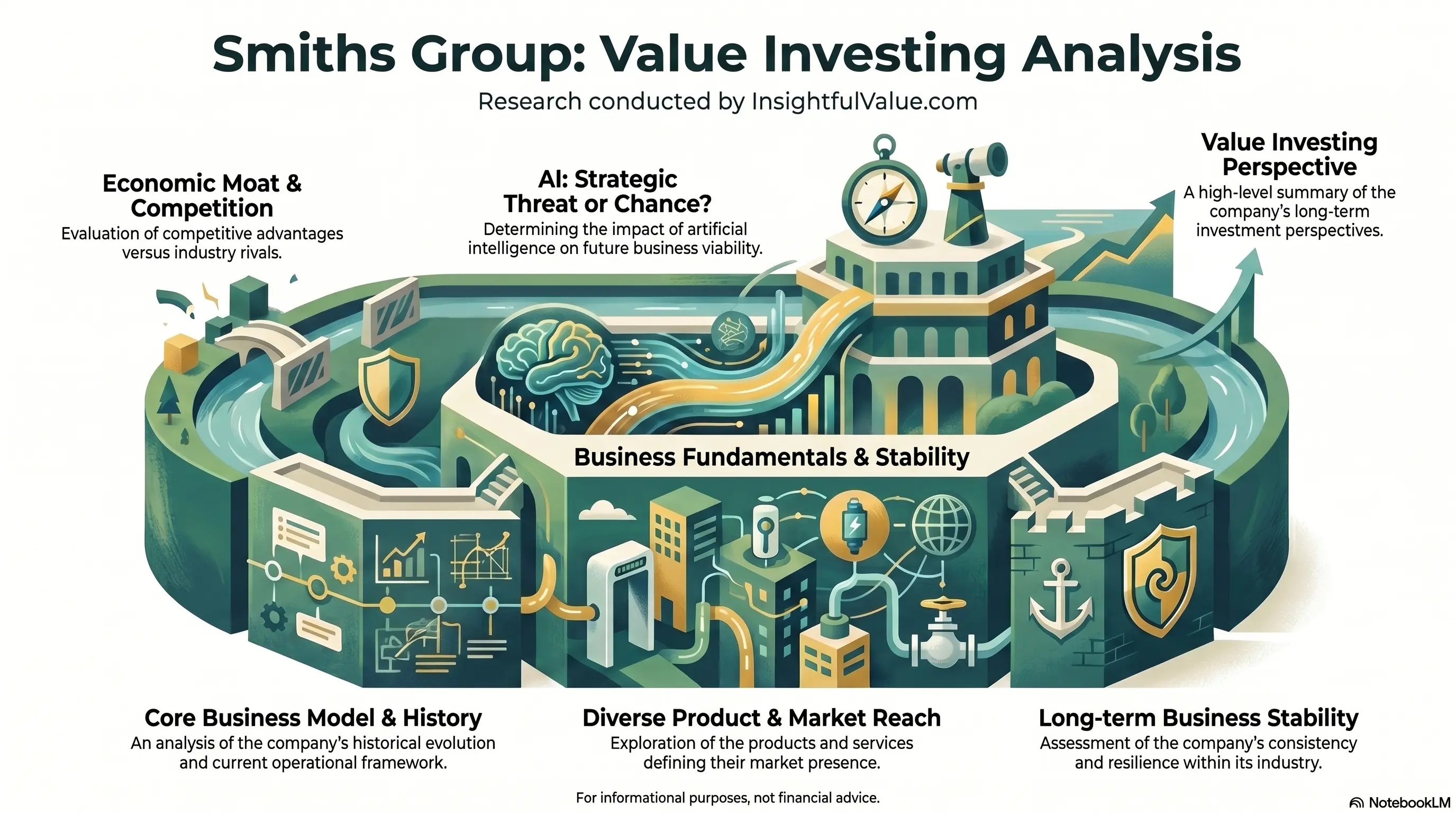
Infographic
Overview
The Smiths Group is a global diversified technology company operating in five main sectors: John Crane, Smiths Detection, Smiths Medical, Smiths Interconnect, and Flex-Tek. It was founded in 1851 and is headquartered in London, England.
The company has a long history and roots in the industrial revolution, but has undergone significant changes and growth over the years. Today, the Smiths Group is a multinational company with operations in over 50 countries and employs approximately 23,000 people.
The John Crane sector specializes in designing and manufacturing mechanical seals, filtration systems, and couplings for a range of industries, such as energy, chemical processing, and pharmaceuticals. Smiths Detection provides advanced security and detection systems for use in transportation, defense, and emergency response. Smiths Medical produces and distributes medical devices used in hospitals, clinics, and home care settings. Smiths Interconnect offers a diverse portfolio of high-tech connectivity solutions for markets including aerospace, defense, and telecommunications. Finally, Flex-Tek provides engineered components and solutions for the heating, ventilation, and air conditioning (HVAC) industry.
The Smiths Group is committed to innovation and technological advancement, with a strong focus on research and development. It also places a high value on sustainability and ethical business practices, as well as providing a safe and inclusive work environment for its employees.
In 2020, the company reported group revenue of £2.5 billion and an operating profit of £363 million. Its key markets include the United States, Europe, and Asia, and its products and services are used by customers in over 200 countries.
The Smiths Group is listed on the London Stock Exchange and is a constituent of the FTSE 100 Index.
How to explain to a 10 year old kid about the company?

📈 Want to read more about Smiths Group?
Sign up for free
or
log in
📥 Get our free eBook now: "The Checklist Value Investor — A Smarter Way to Pick Stocks"
U21pdGhzIE dyb3VwIGlz IGEgY29tcG FueSB0aGF0 IGNyZWF0ZX Mgc3BlY2lh bCB0b29scy BhbmQgdGVj aG5vbG9naW VzIHVzZWQg aW4gZGlmZm VyZW50IGlu ZHVzdHJpZX MuIFRoaW5r IG9mIGl0IG xpa2UgbWFr aW5nIHJlYW xseSBjb29s IGdhZGdldH MgdGhhdCBo ZWxwIG90aG VycyBkbyB0 aGVpciBqb2 JzIGJldHRl ciBhbmQgc2 FmZXIuIFRo ZXkgd29yay BpbiBhcmVh cyBsaWtlIG hlYWx0aGNh cmUsIHdoZX JlIHRoZXkg aGVscCBtYW tlIG1lZGlj YWwgZGV2aW NlcywgYW5k IGluIHNlY3 VyaXR5LCB3 aGVyZSB0aG V5IGNyZWF0 ZSBtYWNoaW 5lcyB0aGF0 IGhlbHAga2 VlcCBwZW9w bGUgYW5kIH BsYWNlcyBz YWZlLjxicj 5UaGV5IG1h a2UgbW9uZX kgYnkgc2Vs bGluZyB0aG VzZSB0b29s cyBhbmQgdG VjaG5vbG9n aWVzIHRvIG J1c2luZXNz ZXMgYW5kIG dvdmVybm1l bnRzIHRoYX QgbmVlZCB0 aGVtLiBGb3 IgZXhhbXBs ZSwgaG9zcG l0YWxzIGJ1 eSB0aGVpci BtZWRpY2Fs IGdhZGdldH MgdG8gdGFr ZSBjYXJlIG 9mIHBhdGll bnRzLCBhbm QgYWlycG9y dHMgbWlnaH QgYnV5IHRo ZWlyIHNlY3 VyaXR5IGRl dmljZXMgdG 8gY2hlY2sg bHVnZ2FnZS 48YnI+U21p dGhzIEdyb3 VwIGlzIHN1 Y2Nlc3NmdW wgYmVjYXVz ZSB0aGV5IG ZvY3VzIG9u IGNyZWF0aW 5nIGhpZ2gt cXVhbGl0eS Bwcm9kdWN0 cyB0aGF0IH Blb3BsZSBy ZWFsbHkgbm VlZC4gVGhl eSBhbHNvIG ludmVzdCBp biBuZXcgaW RlYXMgYW5k IHRlY2hub2 xvZ3ksIHdo aWNoIGtlZX BzIHRoZW0g YWhlYWQgb2 YgdGhlaXIg Y29tcGV0aX RvcnMuIFNp bmNlIHRoZX kgYXJlIGdv b2QgYXQgd2 hhdCB0aGV5 IGRvIGFuZC B0aGV5IGtl ZXAgaW1wcm 92aW5nLCBp dOKAmXMgbG lrZWx5IHRo YXQgdGhleS B3aWxsIGNv bnRpbnVlIH RvIGJlIHN1 Y2Nlc3NmdW wgaW4gdGhl IGZ1dHVyZS 4gUGx1cywg d2l0aCB0aG Ugd29ybGQg Y29uc3Rhbn RseSBjaGFu Z2luZyBhbm QgbmVlZGlu ZyBiZXR0ZX Igc29sdXRp b25zLCB0aG VyZSB3aWxs IGFsd2F5cy BiZSBhIGRl bWFuZCBmb3 IgdGhlaXIg cHJvZHVjdH MuPGJyPg==
What is special about the company?
📈 Want to read more about Smiths Group?
Sign up for free
or
log in
📖 Get insights from "The Checklist Value Investor — A Smarter Way to Pick Stocks" now!
MS4gRGl2ZX JzaWZpZWQg cG9ydGZvbG lvOiBUaGUg U21pdGhzIE dyb3VwIGhh cyBhIGRpdm Vyc2UgcmFu Z2Ugb2YgcH JvZHVjdHMg YW5kIHNlcn ZpY2VzIGFj cm9zcyBhIH ZhcmlldHkg b2YgaW5kdX N0cmllcywg aW5jbHVkaW 5nIG1lZGlj YWwgdGVjaG 5vbG9neSwg YWVyb3NwYW NlLCBkZWZl bnNlLCBhbm QgaW5kdXN0 cmlhbCBlcX VpcG1lbnQu IFRoaXMgZG l2ZXJzaWZp Y2F0aW9uIG hlbHBzIHRo ZSBjb21wYW 55IHdpdGhz dGFuZCBtYX JrZXQgZmx1 Y3R1YXRpb2 5zIGFuZCBy ZWR1Y2VzIG l0cyByZWxp YW5jZSBvbi Bhbnkgb25l IHNwZWNpZm ljIGluZHVz dHJ5Ljxicj 4yLiBHbG9i YWwgcHJlc2 VuY2U6IFRo ZSBjb21wYW 55IGhhcyBv cGVyYXRpb2 5zIGluIG92 ZXIgNTAgY2 91bnRyaWVz IGFuZCBzZX J2ZXMgY3Vz dG9tZXJzIG luIG1vcmUg dGhhbiAyMD AgY291bnRy aWVzLCBtYW tpbmcgaXQg YSB0cnVseS BnbG9iYWwg Y29tcGFueS B3aXRoIGEg d2lkZXNwcm VhZCByZWFj aC48YnI+My 4gSW5ub3Zh dGl2ZSB0ZW Nobm9sb2d5 OiBUaGUgU2 1pdGhzIEdy b3VwIGlzIG tub3duIGZv ciBpdHMgY3 V0dGluZy1l ZGdlIHRlY2 hub2xvZ3kg YW5kIGlubm 92YXRpdmUg c29sdXRpb2 5zLiBGb3Ig ZXhhbXBsZS wgaXRzIHNl Y3VyaXR5IG RldGVjdGlv biBlcXVpcG 1lbnQgaXMg dXNlZCBpbi BhaXJwb3J0 cyBhbmQgb3 RoZXIgcHVi bGljIHBsYW NlcyBhcm91 bmQgdGhlIH dvcmxkLCBh bmQgaXRzIG 1lZGljYWwg ZGV2aWNlcy BhcmUgYXQg dGhlIGZvcm Vmcm9udCBv ZiBhZHZhbm NlbWVudHMg aW4gaGVhbH RoY2FyZS48 YnI+NC4gU3 Ryb25nIGN1 c3RvbWVyIH JlbGF0aW9u c2hpcHM6IF RoZSBjb21w YW55IGhhcy Bsb25nc3Rh bmRpbmcgcm VsYXRpb25z aGlwcyB3aX RoIG1hbnkg b2YgaXRzIG N1c3RvbWVy cywgc29tZS BkYXRpbmcg YmFjayBvdm VyIDEwMCB5 ZWFycy4gVG hpcyBkZW1v bnN0cmF0ZX MgdGhlIHRy dXN0IGFuZC BjcmVkaWJp bGl0eSB0aG UgY29tcGFu eSBoYXMgYn VpbHQgd2l0 aCBpdHMgY2 xpZW50cy48 YnI+NS4gQ2 9tbWl0bWVu dCB0byBzdX N0YWluYWJp bGl0eTogVG hlIFNtaXRo cyBHcm91cC BpcyBjb21t aXR0ZWQgdG 8gc3VzdGFp bmFiaWxpdH kgYW5kIGhh cyBzZXQgYW 1iaXRpb3Vz IGVudmlyb2 5tZW50YWwg dGFyZ2V0cy B0byByZWR1 Y2UgaXRzIG NhcmJvbiBm b290cHJpbn QsIHdhdGVy IHVzYWdlLC BhbmQgd2Fz dGUgZ2VuZX JhdGlvbi4g SXQgYWxzby BhY3RpdmVs eSBzdXBwb3 J0cyBsb2Nh bCBjb21tdW 5pdGllcyBh bmQgY2hhcm l0aWVzIHRo cm91Z2ggaX RzIHNvY2lh bCByZXNwb2 5zaWJpbGl0 eSBpbml0aW F0aXZlcy48 YnI+Ni4gRm 9jdXMgb24g dGFsZW50IG RldmVsb3Bt ZW50OiBUaG UgY29tcGFu eSBoYXMgYS BzdHJvbmcg Zm9jdXMgb2 4gZGV2ZWxv cGluZyBpdH MgZW1wbG95 ZWVzIGFuZC BjcmVhdGlu ZyBhIGRpdm Vyc2UgYW5k IGluY2x1c2 l2ZSB3b3Jr cGxhY2UuIE l0IG9mZmVy cyB2YXJpb3 VzIHRyYWlu aW5nIHByb2 dyYW1zIGFu ZCBlbmNvdX JhZ2VzIGVt cGxveWVlcy B0byBtb3Zl IGFjcm9zcy BkaWZmZXJl bnQgZGl2aX Npb25zIHdp dGhpbiB0aG UgY29tcGFu eSwgZm9zdG VyaW5nIGEg Y3VsdHVyZS BvZiBjb250 aW51b3VzIG xlYXJuaW5n IGFuZCBncm 93dGguPGJy PjcuIFJlc2 lsaWVuY2Ug ZHVyaW5nIG Vjb25vbWlj IGRvd250dX JuczogRGVz cGl0ZSBlY2 9ub21pYyBj aGFsbGVuZ2 VzLCB0aGUg U21pdGhzIE dyb3VwIGhh cyBjb25zaX N0ZW50bHkg ZGVtb25zdH JhdGVkIGl0 cyBhYmlsaX R5IHRvIHdl YXRoZXIgc3 Rvcm1zIGFu ZCByZW1haW 4gcHJvZml0 YWJsZS4gVG hpcyBpcyBk dWUgdG8gaX RzIHN0cm9u ZyBtYW5hZ2 VtZW50LCBk aXZlcnNlIH BvcnRmb2xp bywgYW5kIG ZvY3VzIG9u IGNvc3QgZW ZmaWNpZW5j eS48YnI+OC 4gTG9uZyBo aXN0b3J5Oi BUaGUgY29t cGFueSB3YX MgZm91bmRl ZCBpbiAxOD UxIGFuZCBo YXMgYSBsb2 5nIGFuZCBy ZXB1dGFibG UgaGlzdG9y eS4gSXQgaG FzIHN1cnZp dmVkIGFuZC B0aHJpdmVk IHRocm91Z2 ggbnVtZXJv dXMgZWNvbm 9taWMgYW5k IHRlY2hub2 xvZ2ljYWwg Y2hhbmdlcy wgaGlnaGxp Z2h0aW5nIG l0cyBhZGFw dGFiaWxpdH kgYW5kIHJl c2lsaWVuY2 UuPGJyPjku IEV0aGljYW wgYnVzaW5l c3MgcHJhY3 RpY2VzOiBU aGUgU21pdG hzIEdyb3Vw IGlzIGNvbW 1pdHRlZCB0 byBldGhpY2 FsIGJ1c2lu ZXNzIHByYW N0aWNlcyBh bmQgaGFzIG EgY29kZSBv ZiBjb25kdW N0IGFuZCB2 YWx1ZXMgdG hhdCBndWlk ZSBpdHMgb3 BlcmF0aW9u cy4gVGhpcy BoYXMgaGVs cGVkIHRvIG J1aWxkIHRy dXN0IHdpdG ggc3Rha2Vo b2xkZXJzIG FuZCBtYWlu dGFpbiBhIG dvb2QgcmVw dXRhdGlvbi 48YnI+MTAu IFN0cm9uZy BmaW5hbmNp YWwgcGVyZm 9ybWFuY2U6 IFRoZSBjb2 1wYW55IGhh cyBhIHRyYW NrIHJlY29y ZCBvZiBzdH JvbmcgZmlu YW5jaWFsIH BlcmZvcm1h bmNlLCB3aX RoIGNvbnNp c3RlbnQgcm V2ZW51ZSBn cm93dGggYW 5kIHByb2Zp dGFiaWxpdH kuIFRoaXMg cHJvdmlkZX Mgc3RhYmls aXR5IGFuZC Bjb25maWRl bmNlIHRvIG ludmVzdG9y cyBhbmQgc3 Rha2Vob2xk ZXJzLg==
What the company's business model?
📈 Want to read more about Smiths Group?
Sign up for free
or
log in
🆓 Discover "The Checklist Value Investor — A Smarter Way to Pick Stocks" — free eBook!
VGhlIFNtaX RocyBHcm91 cCBpcyBhIG dsb2JhbCB0 ZWNobm9sb2 d5IGNvbXBh bnkgdGhhdC BzcGVjaWFs aXplcyBpbi B0aGUgZGVz aWduaW5nIG FuZCBtYW51 ZmFjdHVyaW 5nIG9mIGlu bm92YXRpdm Ugc29sdXRp b25zIGZvci B0aGUgYWVy b3NwYWNlLC BoZWFsdGhj YXJlLCBzZW N1cml0eSwg YW5kIGluZH VzdHJpYWwg bWFya2V0cy 48YnI+VGhl aXIgYnVzaW 5lc3MgbW9k ZWwgaXMgYm FzZWQgb24g cHJvdmlkaW 5nIGEgdW5p cXVlIGNvbW JpbmF0aW9u IG9mIHByb2 R1Y3RzLCBz ZXJ2aWNlcy wgYW5kIHNv bHV0aW9ucy B0aGF0IG1l ZXQgdGhlIH NwZWNpZmlj IG5lZWRzIG 9mIHRoZWly IGRpdmVyc2 UgY3VzdG9t ZXIgYmFzZS 4gVGhpcyBp cyBhY2hpZX ZlZCB0aHJv dWdoIHRoZW lyIGZpdmUg bWFpbiBkaX Zpc2lvbnM6 PGJyPjEuIF NtaXRocyBE ZXRlY3Rpb2 46IFRoaXMg ZGl2aXNpb2 4gZm9jdXNl cyBvbiB0aG UgZGV2ZWxv cG1lbnQgYW 5kIG1hbnVm YWN0dXJlIG 9mIGFkdmFu Y2VkIHRocm VhdCBkZXRl Y3Rpb24gdG VjaG5vbG9n aWVzIGZvci B0aGUgbWls aXRhcnksIH RyYW5zcG9y dGF0aW9uLC BhbmQgY3Jp dGljYWwgaW 5mcmFzdHJ1 Y3R1cmUgc2 VjdG9ycy48 YnI+Mi4gU2 1pdGhzIElu dGVyY29ubm VjdDogVGhp cyBkaXZpc2 lvbiBzcGVj aWFsaXplcy BpbiB0aGUg ZGVzaWduIG FuZCBwcm9k dWN0aW9uIG 9mIGhpZ2gt cGVyZm9ybW FuY2UgY29u bmVjdGl2aX R5IHNvbHV0 aW9ucyBmb3 IgdGhlIGFl cm9zcGFjZS wgZGVmZW5z ZSwgbWVkaW NhbCwgYW5k IGluZHVzdH JpYWwgc2Vj dG9ycy48Yn I+My4gU21p dGhzIE1lZG ljYWw6IFRo aXMgZGl2aX Npb24gZm9j dXNlcyBvbi B0aGUgZGV2 ZWxvcG1lbn Qgb2YgaW5u b3ZhdGl2ZS BtZWRpY2Fs IHRlY2hub2 xvZ2llcyBh bmQgZGV2aW NlcyBmb3Ig dGhlIGhvc3 BpdGFsLCBl bWVyZ2VuY3 ksIGFuZCBo b21lIGNhcm UgbWFya2V0 cy48YnI+NC 4gSm9obiBD cmFuZTogVG hpcyBkaXZp c2lvbiBwcm 92aWRlcyBl bmdpbmVlcm VkIHByb2R1 Y3RzIGFuZC BzZXJ2aWNl cyBmb3IgdG hlIG9pbCBh bmQgZ2FzLC BjaGVtaWNh bCwgYW5kIH BoYXJtYWNl dXRpY2FsIG luZHVzdHJp ZXMsIGhlbH BpbmcgY3Vz dG9tZXJzIH RvIGluY3Jl YXNlIHByb2 R1Y3Rpdml0 eSBhbmQgcm VkdWNlIGVu dmlyb25tZW 50YWwgaW1w YWN0Ljxicj 41LiBGbGV4 LVRlazogVG hpcyBkaXZp c2lvbiBvZm ZlcnMgZW5n aW5lZXJlZC Bzb2x1dGlv bnMgZm9yIH RoZSB0cmFu c2ZlciBvZi BnYXMgYW5k IGZsdWlkcy BpbiB0aGUg YWVyb3NwYW NlLCBjbGlt YXRlIGNvbn Ryb2wsIGFu ZCBpbmR1c3 RyaWFsIG1h cmtldHMuPG JyPk92ZXJh bGwsIHRoZS BTbWl0aHMg R3JvdXDigJ lzIGJ1c2lu ZXNzIG1vZG VsIGlzIGJ1 aWx0IG9uIG l0cyBzdHJv bmcgZm9jdX Mgb24gaW5u b3ZhdGlvbi wgZ2xvYmFs IHJlYWNoLC BhbmQgY3Vz dG9tZXItY2 VudHJpYyBh cHByb2FjaC wgYWxsb3dp bmcgdGhlIG NvbXBhbnkg dG8gZGVsaX ZlciBoaWdo LXF1YWxpdH kgYW5kIGN1 c3RvbWl6ZW Qgc29sdXRp b25zIHRvIG l0cyBjdXN0 b21lcnMgYW 5kIGRyaXZl IGdyb3d0aC BhbmQgcHJv Zml0YWJpbG l0eS4=
Is AI a threat?
AI does present potential threats to companies like Smiths Group, depending on various factors related to their products, services, and market positioning.
1. Substitution: AI can enable new technologies and solutions that could substitute traditional products offered by Smiths Group. For example, advancements in AI-driven diagnostics or monitoring systems could replace certain mechanical or electronic components the company supplies. If competitors adopt AI solutions faster, they might outpace Smiths Group in specific markets.
2. Disintermediation: AI could streamline processes in such a way that certain intermediaries or traditional service roles become redundant. If clients can use AI tools to achieve results more efficiently, this could reduce the demand for products or services offered by Smiths Group that rely on those intermediaries.
3. Margin Pressure: The introduction of AI-driven solutions might intensify competition, as companies leverage AI to reduce costs or improve efficiency. If competitors can use AI to offer similar products at a lower price point, this could exert pressure on Smiths Group’s margins. Additionally, as industries increasingly adopt cost-cutting technologies, there may be reduced willingness among customers to pay premium prices for traditional solutions.
In conclusion, while AI also presents opportunities for innovation and efficiency, it can indeed pose material threats through substitution, disintermediation, and margin pressure, particularly if Smiths Group does not adapt quickly to emerging trends and technologies in their industry.
Sensitivity to interest rates
The sensitivity of a company’s earnings, cash flow, and valuation to changes in interest rates can have varying impacts depending on several factors, including the company’s capital structure, operational efficiency, and industry dynamics. For the Smiths Group, a company that operates in diverse sectors such as technology and engineering, the effects of interest rate changes can be analyzed as follows:
1. Earnings: Changes in interest rates can influence Smiths Group’s cost of debt. Higher interest rates may increase borrowing costs if the company has variable rate debt, leading to reduced net earnings due to higher interest expenses. Conversely, lower interest rates can improve earnings by reducing these costs. Additionally, interest rates can affect customer spending and investment decisions, potentially impacting sales and profitability.
2. Cash Flow: Cash flow is also sensitive to interest rates. If interest rates rise, the increased costs of borrowing can reduce free cash flow, as more cash may need to be allocated to servicing debt. If the company’s existing customer contracts are long-term or fixed, short-term fluctuations may have less immediate impact on cash flows. However, overall economic conditions influenced by interest rate changes can affect sales and, in turn, cash flow.
3. Valuation: The valuation of Smiths Group is affected by interest rates primarily through the discount rate applied in discounted cash flow (DCF) analysis. Higher interest rates increase the discount rate, which diminishes the present value of future cash flows, potentially lowering the company’s valuation. Conversely, lower rates can lead to higher valuations as future cash flows are discounted less aggressively.
In summary, while the sensitivity of Smiths Group’s earnings, cash flow, and valuation to interest rate changes is influenced by its debt structure and market conditions, significant increases or decreases in rates are likely to have a notable effect across all these financial metrics.
Resilience to the future changes
📈 Want to read more about Smiths Group?
Sign up for free
or
log in
📚 Your free copy of "The Checklist Value Investor — A Smarter Way to Pick Stocks" is waiting
T25lIHJlYW xpc3RpYyBz Y2VuYXJpby B0aGF0IGNv dWxkIHBlcm 1hbmVudGx5 IGltcGFpci BTbWl0aHMg R3JvdXDigJ lzIGVjb25v bWljcyBvdm VyIHRoZSBu ZXh0IDPigJ M1IHllYXJz IGlzIGEgc2 lnbmlmaWNh bnQgdGVjaG 5vbG9naWNh bCBkaXNydX B0aW9uIGlu IGNyaXRpY2 FsIG1hcmtl dHMsIHN1Y2 ggYXMgdGhl IGFlcm9zcG FjZSBvciBt ZWRpY2FsIG RldmljZXMg c2VjdG9ycy B3aGVyZSB0 aGUgY29tcG FueSBvcGVy YXRlcy4gRm 9yIGluc3Rh bmNlLCBpZi BhIG1ham9y IGNvbXBldG l0b3Igd2Vy ZSB0byBkZX ZlbG9wIGEg Z3JvdW5kYn JlYWtpbmcg dGVjaG5vbG 9neeKAlGxp a2UgYWR2YW 5jZWQgYWRk aXRpdmUgbW FudWZhY3R1 cmluZyB0ZW NobmlxdWVz IG9yIGEgcm FkaWNhbGx5 IG5ldyBtZW RpY2FsIGRl dmljZeKAlH RoYXQgZHJh bWF0aWNhbG x5IHJlZHVj ZXMgcHJvZH VjdGlvbiBj b3N0cyBhbm QgaW1wcm92 ZXMgcHJvZH VjdCBwZXJm b3JtYW5jZS wgaXQgY291 bGQgdW5kZX JtaW5lIFNt aXRocyBHcm 91cOKAmXMg Y29tcGV0aX RpdmUgcG9z aXRpb24uPG JyPlVuZGVy IHRoaXMgc2 NlbmFyaW8s IHRoZSBjb2 1wYW55IG1h eSBmYWNlIG Egc2hhcnAg ZGVjbGluZS BpbiBtYXJr ZXQgc2hhcm UgYXMgZXhp c3RpbmcgY3 VzdG9tZXJz IG1pZ3JhdG UgdG8gbW9y ZSBpbm5vdm F0aXZlIGFu ZCBjb3N0LW VmZmVjdGl2 ZSBhbHRlcm 5hdGl2ZXMu IFRoZSBwcm Vzc3VyZSBv biBwcmljaW 5nIGR1ZSB0 byBpbmNyZW FzZWQgY29t cGV0aXRpb2 4gY291bGQg bGVhZCB0by ByZWR1Y2Vk IG1hcmdpbn MuIElmIFNt aXRocyBHcm 91cOKAmXMg b3BlcmF0aW 5nIG1hcmdp bnMgd2VyZS B0byBkZWNs aW5lIGZyb2 0sIHNheSwg MTUlIHRvID glLCB0aGUg aW1wYWN0IG 9uIHByb2Zp dGFiaWxpdH kgd291bGQg YmUgc2lnbm lmaWNhbnQs IGVzcGVjaW FsbHkgaWYg cmV2ZW51ZX MgYWxzbyBk cm9wIGFzIG EgcmVzdWx0 Ljxicj5DYX NoIGZsb3cg d291bGQgYW xzbyBiZSBh ZHZlcnNlbH kgaW1wYWN0 ZWQsIGFzIH JlZHVjZWQg cmV2ZW51ZX MgYW5kIG1h cmdpbnMgY2 91bGQgbGVh ZCB0byBsb3 dlciBvcGVy YXRpbmcgY2 FzaCBmbG93 cy4gSWYgdG hlIGNvbXBh bnkgaXMgdW 5hYmxlIHRv IGFkYXB0IH F1aWNrbHkg YW5kIGludm VzdCBpbiBu ZXcgdGVjaG 5vbG9naWVz LCBpdCBtaW dodCBleHBl cmllbmNlIG 5lZ2F0aXZl IGNhc2ggZm xvdywgZm9y Y2luZyBpdC B0byBjdXQg ZGl2aWRlbm RzLCBwb3N0 cG9uZSBjYX BpdGFsIGV4 cGVuZGl0dX Jlcywgb3Ig ZWxpbWluYX RlIHJlc2Vh cmNoIGFuZC BkZXZlbG9w bWVudCBidW RnZXRzLiBU aGlzIGNvdW xkIGZ1cnRo ZXIgZXJvZG UgaXRzIGxv bmctdGVybS Bjb21wZXRp dGl2ZW5lc3 MuPGJyPk9u IHRoZSBiYW xhbmNlIHNo ZWV0LCB0aG UgaW1wbGlj YXRpb25zIG NvdWxkIGJl IHNldmVyZS 4gQSBkZWNs aW5lIGluIG 1hcmtldCBj YXBpdGFsaX phdGlvbiBh bmQgcmVkdW NlZCBjYXNo IGZsb3cgbW lnaHQgbGVh ZCB0byBpbm NyZWFzZWQg ZGVidCBsZX ZlbHMgaWYg dGhlIGNvbX BhbnkgcmVz b3J0cyB0by Bib3Jyb3dp bmcgdG8gbW FpbnRhaW4g b3BlcmF0aW 9ucy4gVGhl IGRlYnQtdG 8tZXF1aXR5 IHJhdGlvIG NvdWxkIHdv cnNlbiwgcG 9ydHJheWlu ZyBhIHJpc2 tpZXIgZmlu YW5jaWFsIH Byb2ZpbGUu IEFkZGl0aW 9uYWxseSwg aWYgcHJvZm l0YWJpbGl0 eSBkcm9wcy BzaWduaWZp Y2FudGx5LC ByZXRhaW5l ZCBlYXJuaW 5ncyB3b3Vs ZCBhbHNvIG RlY3JlYXNl LCBmdXJ0aG VyIHdlYWtl bmluZyB0aG UgY29tcGFu eeKAmXMgZX F1aXR5IHBv c2l0aW9uLj xicj5BbG9u Z3NpZGUgdG hlc2UgZmlu YW5jaWFsIG 1ldHJpY3Ms IGludmVzdG 9yIHNlbnRp bWVudCB3b3 VsZCBsaWtl bHkgdHVybi BuZWdhdGl2 ZSwgbGVhZG luZyB0byBh IGRlY2xpbm UgaW4gc3Rv Y2sgcHJpY2 UsIGluY3Jl YXNlZCBjb3 N0IG9mIGNh cGl0YWwsIG FuZCBwb3Rl bnRpYWwgZG lmZmljdWx0 eSBpbiBhdH RyYWN0aW5n IG5ldyBpbn Zlc3RtZW50 IGZvciBpbm 5vdmF0aW9u IG9yIHJlc3 RydWN0dXJp bmcgaW5pdG lhdGl2ZXMu IE92ZXJhbG wsIGluIHRo aXMgc2Nlbm FyaW8sIFNt aXRocyBHcm 91cCB3b3Vs ZCBiZSBmYW Npbmcgc2ln bmlmaWNhbn QgdGhyZWF0 cyB0byBpdH Mgb25nb2lu ZyBvcGVyYX Rpb25zLCBj b21wZXRpdG l2ZSB2aWFi aWxpdHksIG FuZCBmaW5h bmNpYWwgaG VhbHRoLjxi cj4=
Interesting facts about the company
📈 Want to read more about Smiths Group?
Sign up for free
or
log in
📘 Claim your free eBook: "The Checklist Value Investor — A Smarter Way to Pick Stocks"
CiAgICAgIC AgICAgIDxk aXYgc3R5bG U9J3dpZHRo OiAxMDAlOy BkaXNwbGF5 OiBmbGV4Oy BqdXN0aWZ5 LWNvbnRlbn Q6IGNlbnRl cjsnPgogIC AgICAgICAg ICAgICAgPG RpdiBzdHls ZT0nCiAgIC AgICAgICAg ICAgICAgIC AgZGlzcGxh eTogZmxleD sKICAgICAg ICAgICAgIC AgICAgICBh bGlnbi1pdG VtczogY2Vu dGVyOwogIC AgICAgICAg ICAgICAgIC AgIGJhY2tn cm91bmQtY2 9sb3I6ICNm MGY0Zjg7Ci AgICAgICAg ICAgICAgIC AgICAgYm9y ZGVyOiAxcH ggc29saWQg I2QxZTNmMD sKICAgICAg ICAgICAgIC AgICAgICBi b3JkZXItcm FkaXVzOiAx MHB4OwogIC AgICAgICAg ICAgICAgIC AgIHBhZGRp bmc6IDEwcH g7CiAgICAg ICAgICAgIC AgICAgICAg bWFyZ2luOi AyMHB4IDA7 CiAgICAgIC AgICAgICAg ICAgICAgZm 9udC1mYW1p bHk6ICJTZW dvZSBVSSIs IFJvYm90by wgc2Fucy1z ZXJpZjsKIC AgICAgICAg ICAgICAgIC AgICBib3gt c2hhZG93Oi AwIDJweCA2 cHggcmdiYS gwLCAwLCAw LCAwLjA1KT sKICAgICAg ICAgICAgIC AgICAgICBt YXgtd2lkdG g6IDkwMHB4 OwogICAgIC AgICAgICAg ICAgICAgIH dpZHRoOiAx MDAlOyc+Cg ogICAgICAg ICAgICAgIC AgICAgIDxp bWcgc3JjPS Jhc3NldHMv bG9nb3MvbW NDME54VUpm emh0T0tuQU haN0oud2Vi cCIgYWx0PS JTbWl0aHMg R3JvdXAiIH RpdGxlPSJT bWl0aHMgR3 JvdXAiICBj bGFzcz0iaW 1nLWZsdWlk IiBoZWlnaH Q9NTAgd2lk dGg9NTAgbG 9hZGluZz0n bGF6eScgc3 R5bGU9J2Jv cmRlci1yYW RpdXM6IDZw eDsnPgoKIC AgICAgICAg ICAgICAgIC AgICA8ZGl2 IHN0eWxlPS dmbGV4OiAx OyB0ZXh0LW FsaWduOiBj ZW50ZXI7IG 1hcmdpbi1s ZWZ0OiA1cH g7Jz4KICAg ICAgICAgIC AgICAgICAg ICAgICAgPH Agc3R5bGU9 J2ZvbnQtc2 l6ZTogMjZw eDsgY29sb3 I6ICMzMzM7 IG1hcmdpbi 1ib3R0b206 IDE1cHg7Jz 4KICAgICAg ICAgICAgIC AgICAgICAg ICAgICAgIP Cfk4ggV2Fu dCB0byByZW FkIG1vcmUg YWJvdXQgU2 1pdGhzIEdy b3VwPwogIC AgICAgICAg ICAgICAgIC AgICAgICA8 L3A+CgogIC AgICAgICAg ICAgICAgIC AgICAgICA8 YSBocmVmPS dpbmRleC5w aHA/cGFnZT 1zaWdudXAn IHN0eWxlPS cKICAgICAg ICAgICAgIC AgICAgICAg ICAgICAgIG JhY2tncm91 bmQtY29sb3 I6ICMwMDdC RkY7CiAgIC AgICAgICAg ICAgICAgIC AgICAgICAg ICBjb2xvcj ogI2ZmZjsK ICAgICAgIC AgICAgICAg ICAgICAgIC AgICAgIHBh ZGRpbmc6ID EwcHggMjBw eDsKICAgIC AgICAgICAg ICAgICAgIC AgICAgICAg IGJvcmRlci 1yYWRpdXM6 IDVweDsKIC AgICAgICAg ICAgICAgIC AgICAgICAg ICAgIHRleH QtZGVjb3Jh dGlvbjogbm 9uZTsKICAg ICAgICAgIC AgICAgICAg ICAgICAgIC AgIGZvbnQt d2VpZ2h0Oi Bib2xkOwog ICAgICAgIC AgICAgICAg ICAgICAgIC AgICAgbWFy Z2luLXJpZ2 h0OiAxMHB4 OwogICAgIC AgICAgICAg ICAgICAgIC AgICAgICAg dHJhbnNpdG lvbjogYmFj a2dyb3VuZC 1jb2xvciAw LjNzIGVhc2 U7JwogICAg ICAgICAgIC AgICAgICAg ICAgICAgIC Agb25tb3Vz ZW92ZXI9J3 RoaXMuc3R5 bGUuYmFja2 dyb3VuZENv bG9yPSIjMD A1NmIzIicK ICAgICAgIC AgICAgICAg ICAgICAgIC AgICAgIG9u bW91c2VvdX Q9J3RoaXMu c3R5bGUuYm Fja2dyb3Vu ZENvbG9yPS IjMDA3QkZG Iic+CiAgIC AgICAgICAg ICAgICAgIC AgICAgICAg ICBTaWduIH VwIGZvciBm cmVlCiAgIC AgICAgICAg ICAgICAgIC AgICAgIDwv YT4KCiAgIC AgICAgICAg ICAgICAgIC AgICAgIDxz cGFuIHN0eW xlPSdtYXJn aW46IDAgOH B4OyBjb2xv cjogIzU1NT snPm9yPC9z cGFuPgoKIC AgICAgICAg ICAgICAgIC AgICAgICAg PGEgaHJlZj 0naW5kZXgu cGhwP3BhZ2 U9bG9naW4n IHN0eWxlPS cKICAgICAg ICAgICAgIC AgICAgICAg ICAgICAgIG NvbG9yOiAj MDA3QkZGOw ogICAgICAg ICAgICAgIC AgICAgICAg ICAgICAgdG V4dC1kZWNv cmF0aW9uOi B1bmRlcmxp bmU7CiAgIC AgICAgICAg ICAgICAgIC AgICAgICAg ICBmb250LX dlaWdodDog NTAwOyc+Ci AgICAgICAg ICAgICAgIC AgICAgICAg ICAgICBsb2 cgaW4KICAg ICAgICAgIC AgICAgICAg ICAgICAgPC 9hPgoKCiAg ICAgICAgIC AgICAgICAg ICAgICAgID xwIHN0eWxl PSdtYXJnaW 4tdG9wOiAx NXB4OyBmb2 50LXNpemU6 IDEzcHg7IG ZvbnQtd2Vp Z2h0OiBib2 xkOyBjb2xv cjogI2QzMm YyZjsnPgog ICAgICAgIC AgICAgICAg ICAgICAgIC AgICAg8J+Z jCBKb2luIG 5vdyB0byBn ZXQgPGk+Il RoZSBDaGVj a2xpc3QgVm FsdWUgSW52 ZXN0b3Ig4o CUIEEgU21h cnRlciBXYX kgdG8gUGlj ayBTdG9ja3 MiPC9pPiBh dCBubyBjb3 N0CiAgICAg ICAgICAgIC AgICAgICAg ICAgIDwvcD 4KCiAgICAg ICAgICAgIC AgICAgICAg ICAgIDwhLS 0KICAgICAg ICAgICAgIC AgICAgICAg ICAgPGRpdi BzdHlsZT0n bWFyZ2luLX RvcDogMTJw eDsgZm9udC 1zaXplOiAx M3B4OyBjb2 xvcjogIzQ0 NDsnPgogIC AgICAgICAg ICAgICAgIC AgICAgICAg ICAgU2lnbi B1cCBub3cg YW5kIGdldC BvdXIgZnJl ZSBlQm9vay AKICAgICAg ICAgICAgIC AgICAgICAg ICAgICAgID xiPlRoZSBD aGVja2xpc3 QgVmFsdWUg SW52ZXN0b3 Ig4oCUIEEg U21hcnRlci BXYXkgdG8g UGljayBTdG 9ja3M8L2I+ CiAgICAgIC AgICAgICAg ICAgICAgIC AgIDwvZGl2 PgogICAgIC AgICAgICAg ICAgICAgIC AgICAtLT4K ICAgICAgIC AgICAgICAg ICAgICAgIC AgPCEtLQog ICAgICAgIC AgICAgICAg ICAgICAgIC A8ZGl2IHN0 eWxlPSdtYX JnaW4tdG9w OiAxNnB4Oy Bmb250LXNp emU6IDE0cH g7IGNvbG9y OiAjNDQ0Oy Bmb250LWZh bWlseTogLW FwcGxlLXN5 c3RlbSwgQm xpbmtNYWNT eXN0ZW1Gb2 50LCBTZWdv ZSBVSSwgUm 9ib3RvLCBI ZWx2ZXRpY2 EgTmV1ZSwg c2Fucy1zZX JpZjsgbGlu ZS1oZWlnaH Q6IDEuNjsn PgogICAgIC AgICAgICAg ICAgICAgIC AgICAgICAg SGF2ZSB5b3 UgaGVhcmQg YWJvdXQgb3 VyIHNob3J0 IDxzdHJvbm cgc3R5bGU9 J2ZvbnQtd2 VpZ2h0OiA2 MDA7Jz5EYW lseSBWaWRl byBOZXdzbG V0dGVyPC9z dHJvbmc+Pw ogICAgICAg ICAgICAgIC AgICAgICAg ICAgICAgPG EgaHJlZj0n aHR0cHM6Ly 93d3cuaW5z aWdodGZ1bH ZhbHVlLmNv bS9uZXdzbG V0dGVyLnBo cCcgdGFyZ2 V0PSdfYmxh bmsnIHN0eW xlPSdjb2xv cjogIzAwN0 JGRjsgdGV4 dC1kZWNvcm F0aW9uOiBu b25lOyBmb2 50LXdlaWdo dDogNTAwOy BtYXJnaW4t bGVmdDogNn B4Oyc+CiAg ICAgICAgIC AgICAgICAg ICAgICAgIC AgICAgICAg RmluZCBvdX QgbW9yZQog ICAgICAgIC AgICAgICAg ICAgICAgIC AgICAgPC9h PgogICAgIC AgICAgICAg ICAgICAgIC AgICA8L2Rp dj4KICAgIC AgICAgICAg ICAgICAgIC AgICAgLS0+ CiAgICAgIC AgICAgICAg ICAgICAgPC 9kaXY+CiAg ICAgICAgIC AgICAgICA8 L2Rpdj4KIC AgICAgICAg ICAgPC9kaX Y+CiAgICAg ICAgICAgIA ogICAgICAg IAogICAgIC AgIDxzcGFu IGNsYXNzPS dibHVycmVk LXRleHQnPg ogICAgICAg ICAgICBNUz RnVkdobElG IE50YVhSb2 N5QkggY205 MWNDQmpiMi Axd1lXNTVJ SGRoIGN5Qm 1iM1Z1Wkcg VmtJR2x1SU RFNCBOVEVn WW5rZ1UyIE Z0ZFdWc0lG TnQgYVhSb0 xDQjNhRyA4 Z2MzUmhjbl JsIFpDQnZk WFFnWVggTW dZU0JqYkc5 aiBheUJoYm 1RZ2QyIEYw WTJodFlXdG wgY2lCcGJp Qk1iMiA1a2 IyNHNJRVZ1 IFoyeGhibV F1UEcgSnlQ akl1SUZSby BaU0JqYjIx d1lXIDU1SU hkaGN5QnAg Ym1sMGFXRn NiSCBrZ2Jt RnRaV1FnIF V5NGdVMjFw ZEcgZ2dKaU JUYjI1eiBJ R0oxZENCM1 lYIE1nYkdG MFpYSWcgWT JoaGJtZGxa QyBCMGJ5Ql RiV2wwIGFI TWdSM0p2ZF ggQWdhVzRn TVRrMiBOeT Q4WW5JK015 IDRnVkdobE lGTnQgYVhS b2N5QkhjbS A5MWNDQnBj eUJoIElHZH NiMkpoYkMg QmxibWRwYm 1WbCBjbWx1 WnlCamIyID F3WVc1NUlI ZHAgZEdnZ1 lTQndjbSBW elpXNWpaU0 JwIGJpQnZk bVZ5SUQgVX dJR052ZFc1 MCBjbWxsY3 lCaGJtIFFn Wlcxd2JHOT UgY3lCaGNt OTFibSBRZ0 1qTXNNREF3 IElIQmxiM0 JzWlMgNDhZ bkkrTkM0Zy BWR2hsSUdO dmJYIEJoYm 5uaWdKbHog SUdobFlXUn hkVyBGeWRH VnljeUJoIG NtVWdiRzlq WVggUmxaQ0 JwYmlCTSBi MjVrYjI0c0 lFIFZ1WjJ4 aGJtUXUgUE dKeVBqVXVJ RiBSb1pTQl RiV2wwIGFI TWdSM0p2ZF ggQWdhR0Z6 SUdacCBkbV VnYldGcGJp IEJrYVhacG MybHYgYm5N NklFcHZhRy A0Z1EzSmhi bVVzIElGTn RhWFJvY3kg Qk5aV1JwWT JGcyBMQ0JU YldsMGFIIE 1nUkdWMFpX TjAgYVc5dU xDQlRiVyBs MGFITWdTVz UwIFpYSmpi MjV1WlcgTj BMQ0JoYm1R ZyBSbXhsZU MxVVpXIHN1 UEdKeVBqWX UgSUVwdmFH NGdRMyBKaG JtVWdhWE1n IFlTQm5iRz lpWVcgd2di R1ZoWkdWeS BJR2x1SUcx bFkyIGhoYm 1sallXd2cg YzJWaGJITW dZVyA1a0lH OTBhR1Z5IE lITmxZV3hw Ym0gY2dkR1 ZqYUc1diBi RzluYVdWek lHIFp2Y2lC MllYSnAgYj NWeklHbHVa SCBWemRISn BaWE1nIGMz VmphQ0JoY3 kgQnZhV3dn WVc1ayBJR2 RoY3l3Z2NH IDkzWlhJZ1 oyVnUgWlhK aGRHbHZiaS B3Z1lXNWtJ R05vIFpXMX BZMkZzSUgg QnliMk5sYz NOcCBibWN1 UEdKeVBqIG N1SUZOdGFY Um8gY3lCTl pXUnBZMiBG c0lIQnliMl IxIFkyVnpJ RzFsWkcgbG pZV3dnWkdW MiBhV05sY3 lCaGJtIFFn WlhGMWFYQn QgWlc1MElH WnZjaSBCMl lYSnBiM1Z6 IElHMWxaR2 xqWVcgd2dZ WEJ3Ykdsai BZWFJwYjI1 eklIIE4xWT JnZ1lYTWcg YVc1bWRYTn BiMiA0Z2RH aGxjbUZ3IG VTd2dkbUZ6 WTMgVnNZWE lnWVdOaiBa WE56TENCaG JtIFFnZG1s MFlXd2cgWT JGeVpTNDhZ biBJK09DNG dVMjFwIGRH aHpJRVJsZE cgVmpkR2x2 YmlCcCBjeU JoSUd4bFlX IFJwYm1jZ2 JXRnUgZFda aFkzUjFjbS BWeUlHOW1J SE5sIFkzVn lhWFI1SUcg RnVaQ0JrWl hSbCBZM1Jw YjI0Z1pYIE YxYVhCdFpX NTAgTENCcG JtTnNkVyBS cGJtY2dXQz F5IFlYa2dj Mk5oYm0gNW xjbk1zSUhS eSBZV05sSU dSbGRHIFZq ZEdsdmJpQm sgWlhacFky VnpMQyBCaG JtUWdZMmhs IGJXbGpZV3 dnWkcgVjBa V04wYjNKei BManhpY2o0 NUxpIEJUYl dsMGFITWcg U1c1MFpYSm piMiA1dVpX TjBJSE53IF pXTnBZV3hw ZW0gVnpJR2 x1SUhCeSBi M1pwWkdsdV p5IEJsYkdW amRISnAgWT JGc0lHRnVa QyBCeVlXUn BieUJtIGNt VnhkV1Z1WT Mga2djMjlz ZFhScCBiMj V6SUdadmNp IEIyWVhKcG IzVnogSUds dVpIVnpkSC BKcFpYTXNJ R2x1IFkyeD FaR2x1Wnkg QmhaWEp2Yz NCaCBZMlVz SUdSbFptIF Z1YzJVc0lH RnUgWkNCMF pXeGxZMiA5 dGJYVnVhV0 5oIGRHbHZi bk11UEcgSn lQakV3TGlC RyBiR1Y0TF ZSbGF5IEJ3 Y205a2RXTm wgY3lCcGJt NXZkbSBGMG FYWmxJSE52 IGJIVjBhVz l1Y3kgQm1i M0lnWm14MS BhV1FnWVc1 a0lHIGRoY3 lCemVYTjAg WlcxekxDQn BibSBOc2RX UnBibWNnIG FHOXpaWE1z SUcgUjFZM1 JwYm1jcyBJ R0Z1WkNCMG RXIEpwYm1j Z1ptOXkgSU haaGNtbHZk WCBNZ1lYQn diR2xqIFlY UnBiMjV6SU cgRnVaQ0Jw Ym1SMSBjM1 J5YVdWekxq IHhpY2o0eE 1TNGcgVkdo bElHTnZiWC BCaGJua2dh R0Z6IElHRW diRzl1Wnkg Qm9hWE4wYj NKNSBJRzlt SUdsdWJtID kyWVhScGIy NGcgWVc1a0 lHaGhjeSBC aVpXVnVJSE psIGMzQnZi bk5wWW0geG xJR1p2Y2lC dCBZVzU1SU dkeWIzIFZ1 WkdKeVpXRn IgYVc1bklI UmxZMiBodW IyeHZaMmxs IGN5QmhibV FnY0ggSnZa SFZqZEhNcy BJSE4xWTJn Z1lYIE1nZE dobElHWnAg Y25OMElHRn VkRyBrdGJH OWpheUJpIG NtRnJhVzVu SUggTjVjM1 JsYlNBbyBR VUpUS1NCbW IzIElnWTJG eWN5QmggYm 1RZ2RHaGxJ RyBacGNuTj BJR1JwIFoy bDBZV3dnWl cgeGxZM1J5 YjI1cCBZeU JsYm1kcGJt IFVnWTI5dW RISnYgYkNC emVYTjBaVy AwdVBHSnlQ akV5IExpQk piaUJoWkcg UnBkR2x2Ym lCMCBieUJw ZEhNZ2JXIE ZwYmlCa2FY WnAgYzJsdm JuTXNJSCBS b1pTQlRiV2 wwIGFITWdS M0p2ZFggQW dZV3h6YnlC byBZWE1nWV NCV1pXIDUw ZFhKbGN5Qm sgYVhacGMy bHZiaSB3Z2 QyaHBZMmdn IGNHRnlkRz VsY24gTWdk MmwwYUNCcC BibTV2ZG1G MGFYIFpsSU hOMFlYSjAg ZFhCeklHRn VaQyBCcGJu WmxjM1J6IE lHbHVJR1Z0 WlggSm5hVz VuSUhSbCBZ Mmh1YjJ4dl oyIGxsY3k0 OFluSSsgTV RNdUlGTnRh WCBSb2N5Qk hjbTkxIGND Qm9ZWE1nWV MgQnpkSEp2 Ym1jZyBZMj l0YldsMGJX IFZ1ZENCMG J5QnogZFhO MFlXbHVZVy BKcGJHbDBl U0JoIGJtUW dhR0Z6SUgg TmxkQ0IwWV hKbiBaWFJ6 SUhSdklIIE psWkhWalpT QnAgZEhNZ1 kyRnlZbSA5 dUlHWnZiM1 J3IGNtbHVk Q3dnYVcgNW pjbVZoYzJV ZyBkR2hsSU hWelpTIEJ2 WmlCeVpXNW wgZDJGaWJH VWdaVyA1bG NtZDVMQ0Jo IGJtUWdhVz F3Y20gOTJa U0IwYUdVZy BjM1Z6ZEdG cGJtIEZpYV d4cGRIa2cg YjJZZ2FYUn pJSCBCeWIy UjFZM1J6IE lHRnVaQ0J2 Y0cgVnlZWF JwYjI1eiBM anhpY2o0eE 5DIDRnVkdo bElHTnYgYl hCaGJua2dh RyBGeklISm xZMlZwIGRt VmtJRzUxYl cgVnliM1Z6 SUdGMyBZWE prY3lCaGJt IFFnY21Wam IyZHUgYVhS cGIyNXpJRy BadmNpQnBk SE1nIGNISn ZaSFZqZEgg TXNJR2x1Ym 05MiBZWFJw YjI1ekxDIE JoYm1RZ1ky OXQgYldsMG JXVnVkQyBC MGJ5QnpkWE 4wIFlXbHVZ V0pwYkcgbD BlUzQ4WW5J KyBNVFV1SU VSbGMzIEJw ZEdVZ2FYUn ogSUd4dmJt Y2dhRyBsem RHOXllU3dn IGRHaGxJRk 50YVggUm9j eUJIY205MS BjQ0JqYjI1 MGFXIDUxWl hNZ2RHOGcg WlhadmJIWm xJRyBGdVpD QmhaR0Z3IG RDQjBieUJq YUcgRnVaMm x1WnlCdCBZ WEpyWlhRZ2 JtIFZsWkhN Z1lXNWsgSU doaGN5Qnla VyAxaGFXNW xaQ0JoIElH eGxZV1JwYm 0gY2djR3ho ZVdWeSBJR2 x1SUdsMGN5 IEIyWVhKcG IzVnogSUds dVpIVnpkSC BKcFpYTXUK ICAgICAgIC A8L3NwYW4+ CiAgICAgIC AgCiAgICAg ICAg
See Company Q&A
📊 Get full analytics about Smiths Group
Sign up for free
or
log in
📝 Join us and grab your copy of "The Checklist Value Investor — A Smarter Way to Pick Stocks"