Company at a Glance
Price
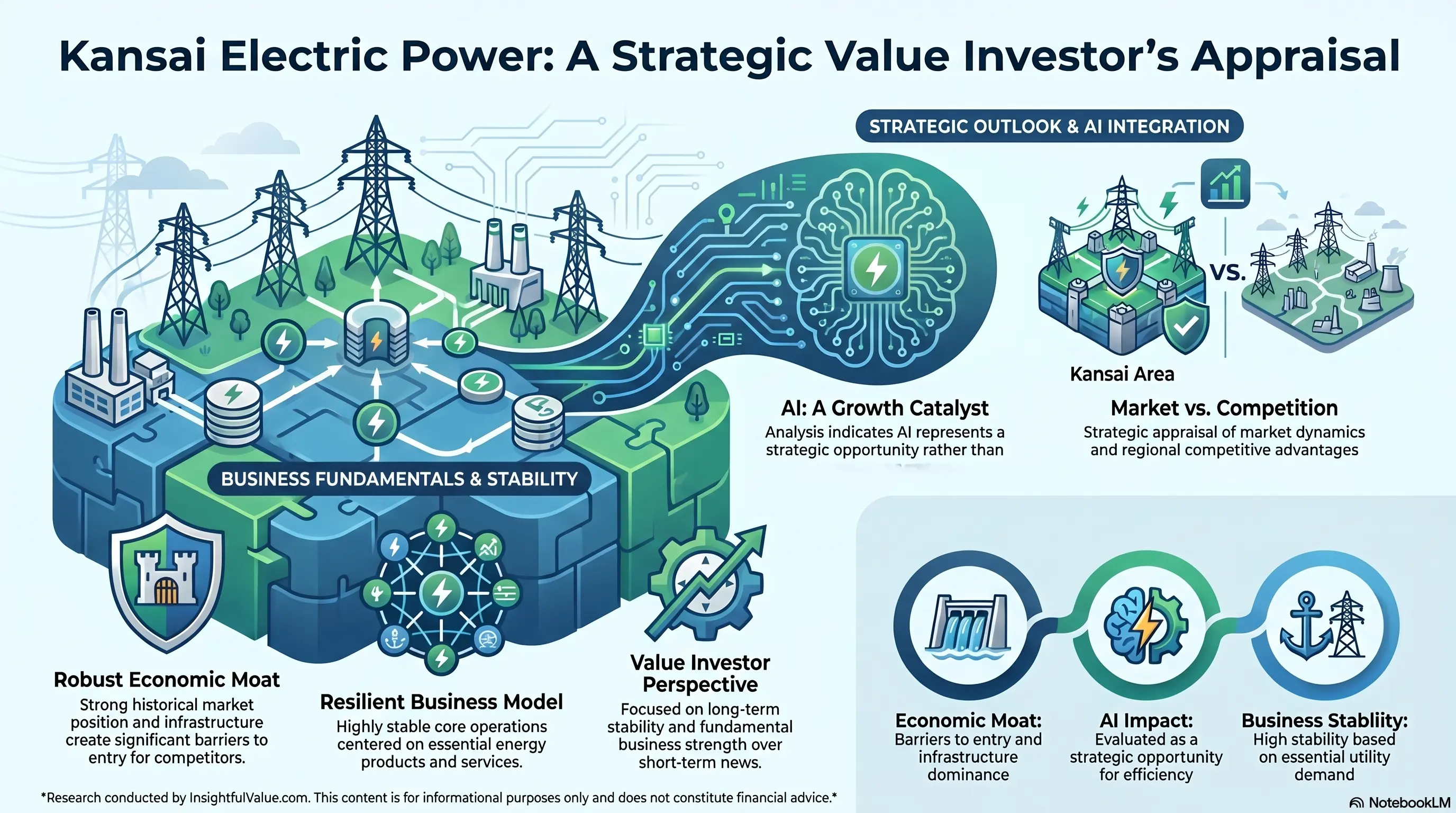
Infographic
Overview
The Kansai Electric Power Company, also known as KEPCO, is a Japanese electric utility company that serves the Kansai region of Japan, which includes cities such as Osaka and Kyoto. The company was founded in 1951 and is headquartered in Osaka.
KEPCO is one of the largest electric utility companies in Japan, providing electricity to over 20 million customers in the Kansai region. The company's main business is the generation, transmission, and distribution of electricity, but it also has interests in other related businesses, such as energy trading, renewable energy, and electric power utility consulting.
In addition to its main business, KEPCO is also involved in various social and environmental activities, such as promoting energy conservation, developing renewable energy sources, and supporting local communities. The company has also set ambitious goals to reduce its carbon emissions and become a leader in the development of clean energy technologies.
KEPCO has faced challenges in recent years, including the 2011 Fukushima nuclear disaster, which led to the shutdown of all nuclear power plants in Japan. As a result, the company has been working to diversify its energy sources and decrease its reliance on nuclear power.
The Kansai Electric Power Company is a publicly traded company and is listed on the Tokyo Stock Exchange and the Nagoya Stock Exchange. It has a strong financial standing and is considered a key player in the Japanese energy market.
How to explain to a 10 year old kid about the company?

📈 Want to read more about Kansai Electric Power?
Sign up for free
or
log in
✍️ Sign up to get "The Checklist Value Investor — A Smarter Way to Pick Stocks" for free
S2Fuc2FpIE VsZWN0cmlj IFBvd2VyIE NvbXBhbnkg aXMgYSBiaW cgY29tcGFu eSBpbiBKYX BhbiB0aGF0 IHByb3ZpZG VzIGVsZWN0 cmljaXR5IH RvIG1pbGxp b25zIG9mIG hvbWVzIGFu ZCBidXNpbm Vzc2VzLiBU aGluayBvZi BpdCBsaWtl IHlvdXIgbG 9jYWwgcG93 ZXIgY29tcG FueSB0aGF0 IG1ha2VzIH N1cmUgeW91 ciBsaWdodH MgdHVybiBv biwgeW91ci ByZWZyaWdl cmF0b3Igd2 9ya3MsIGFu ZCB5b3VyIF RWIGNhbiBw bGF5IHlvdX IgZmF2b3Jp dGUgc2hvd3 MuPGJyPlRo ZSB3YXkgS2 Fuc2FpIEVs ZWN0cmljIG 1ha2VzIG1v bmV5IGlzIG J5IGNoYXJn aW5nIHBlb3 BsZSBhbmQg YnVzaW5lc3 NlcyBmb3Ig dGhlIGVsZW N0cmljaXR5 IHRoZXkgdX NlLiBKdXN0 IGxpa2UgaG 93IHlvdSBt aWdodCBwYX kgZm9yIHdh dGVyIG9yIG dhcywgcGVv cGxlIHBheS BLYW5zYWkg RWxlY3RyaW MgZm9yIHRo ZSBwb3dlci B0aGV5IHVz ZS4gVGhlIG NvbXBhbnkg aGFzIHBvd2 VyIHBsYW50 cyB0aGF0IG NyZWF0ZSBl bGVjdHJpY2 l0eSBpbiBk aWZmZXJlbn Qgd2F5cy4g VGhleSBtaW dodCB1c2Ug dGhpbmdzIG xpa2UgY29h bCwgbmF0dX JhbCBnYXMs IG9yIGV2ZW 4gcmVuZXdh YmxlIHNvdX JjZXMgbGlr ZSB3aW5kIG FuZCBzb2xh ciBlbmVyZ3 kuPGJyPkth bnNhaSBFbG VjdHJpYyBp cyBzdWNjZX NzZnVsIGZv ciBhIGZldy ByZWFzb25z LiBGaXJzdC wgZWxlY3Ry aWNpdHkgaX Mgc29tZXRo aW5nIHRoYX QgZXZlcnlv bmUgbmVlZH MsIHNvIHRo ZXJlIHdpbG wgYWx3YXlz IGJlIGEgZG VtYW5kIGZv ciBpdC4gU2 Vjb25kLCB0 aGUgY29tcG FueSBpbnZl c3RzIGluIH RlY2hub2xv Z3kgdG8gbW FrZSBlbGVj dHJpY2l0eS BpbiBjbGVh bmVyIGFuZC Btb3JlIGVm ZmljaWVudC B3YXlzLCB3 aGljaCBpcy BpbXBvcnRh bnQgZm9yIH RoZSBlbnZp cm9ubWVudC BhbmQgaGVs cHMga2VlcC B0aGVpciBv cGVyYXRpb2 5zIHJ1bm5p bmcgc21vb3 RobHkuIExh c3RseSwgdG hleSBhcmUg YWx3YXlzIH dvcmtpbmcg dG8gaW1wcm 92ZSB0aGVp ciBzZXJ2aW NlIHNvIHRo YXQgdGhlaX IgY3VzdG9t ZXJzIGFyZS BoYXBweSBh bmQgc3RheS B3aXRoIHRo ZW0uPGJyPk luIHRoZSBm dXR1cmUsIE thbnNhaSBF bGVjdHJpYy BpcyBsaWtl bHkgdG8gc3 RheSBzdWNj ZXNzZnVsIG JlY2F1c2Ug dGhleSBhcm UgYWRhcHRp bmcgdG8gbm V3IHRlY2hu b2xvZ2llcy BhbmQgZm9j dXNpbmcgbW 9yZSBvbiBy ZW5ld2FibG UgZW5lcmd5 IHNvdXJjZX MuIEFzIHBl b3BsZSBiZW NvbWUgbW9y ZSBjb25jZX JuZWQgYWJv dXQgdGhlIG Vudmlyb25t ZW50LCBjb2 1wYW5pZXMg dGhhdCB1c2 UgY2xlYW5l ciBlbmVyZ3 kgd2lsbCBi ZSBtb3JlIH BvcHVsYXIu IFRoZXkgYX JlIGFsc28g bWFraW5nIH BsYW5zIHRv IGtlZXAgaW 1wcm92aW5n IHRoZWlyIH NlcnZpY2Vz LCB3aGljaC B3aWxsIGhl bHAgdGhlbS BrZWVwIGN1 c3RvbWVycy BhbmQgZ3Jv dyBldmVuIG 1vcmUuPGJy Pg==
What is special about the company?
📈 Want to read more about Kansai Electric Power?
Sign up for free
or
log in
⚡ Instantly access "The Checklist Value Investor — A Smarter Way to Pick Stocks" — free!
MS4gTG9uZy BIaXN0b3J5 OiBUaGUgS2 Fuc2FpIEVs ZWN0cmljIF Bvd2VyIENv bXBhbnkgKE tFUENPKSB3 YXMgZm91bm RlZCBpbiAx OTUxIGFuZC BoYXMgYSBs b25nIGhpc3 Rvcnkgb2Yg cHJvdmlkaW 5nIGVsZWN0 cmljaXR5IH RvIHRoZSBL YW5zYWkgcm VnaW9uIG9m IEphcGFuLi BJdCBpcyBv bmUgb2YgdG hlIGxhcmdl c3QgYW5kIG 9sZGVzdCBl bGVjdHJpYy B1dGlsaXR5 IGNvbXBhbm llcyBpbiBK YXBhbi48Yn I+Mi4gQ29t cHJlaGVuc2 l2ZSBDb3Zl cmFnZTogS0 VQQ08gcHJv dmlkZXMgZW xlY3RyaWNp dHkgdG8gYS B3aWRlIGFy ZWEsIGNvdm VyaW5nIDE1 IHByZWZlY3 R1cmVzIGlu IHRoZSBLYW 5zYWkgcmVn aW9uLCBpbm NsdWRpbmcg bWFqb3IgY2 l0aWVzIHN1 Y2ggYXMgT3 Nha2EsIEt5 b3RvLCBhbm QgS29iZS4g SXQgc2Vydm VzIGEgcG9w dWxhdGlvbi BvZiBvdmVy IDI3IG1pbG xpb24gcGVv cGxlLjxicj 4zLiBOdWNs ZWFyIFBvd2 VyOiBLRVBD TyBpcyBhIH Bpb25lZXIg aW4gbnVjbG VhciBwb3dl ciwgd2l0aC BvdmVyIGhh bGYgb2YgaX RzIGVsZWN0 cmljaXR5IH Byb2R1Y3Rp b24gY29taW 5nIGZyb20g bnVjbGVhci Bwb3dlciBw bGFudHMuIE l0IG9wZXJh dGVzIDExIG 51Y2xlYXIg cmVhY3Rvcn MsIG1ha2lu ZyBpdCBvbm Ugb2YgdGhl IGxhcmdlc3 QgbnVjbGVh ciBvcGVyYX RvcnMgaW4g dGhlIHdvcm xkLjxicj40 LiBSZW5ld2 FibGUgRW5l cmd5OiBJbi ByZWNlbnQg eWVhcnMsIE tFUENPIGhh cyBiZWVuIG FjdGl2ZWx5 IGludmVzdG luZyBpbiBy ZW5ld2FibG UgZW5lcmd5 IHNvdXJjZX MsIHN1Y2gg YXMgd2luZC BhbmQgc29s YXIgcG93ZX IuIEl0IGFp bXMgdG8gaW 5jcmVhc2Ug dGhlIHNoYX JlIG9mIHJl bmV3YWJsZS BlbmVyZ3kg aW4gaXRzIH Bvd2VyIG1p eCB0byAyNS UgYnkgMjAz MC48YnI+NS 4gQ29tbWl0 bWVudCB0by BTYWZldHk6 IEtFUENPIG hhcyBhIHN0 cm9uZyBjb2 1taXRtZW50 IHRvIHNhZm V0eSBhbmQg aGFzIGltcG xlbWVudGVk IHN0cmluZ2 VudCBzYWZl dHkgbWVhc3 VyZXMgYXQg aXRzIG51Y2 xlYXIgcG93 ZXIgcGxhbn RzIGZvbGxv d2luZyB0aG UgRnVrdXNo aW1hIG51Y2 xlYXIgZGlz YXN0ZXIgaW 4gMjAxMS48 YnI+Ni4gVG VjaG5vbG9n aWNhbCBBZH ZhbmNlbWVu dDogVGhlIG NvbXBhbnkg aGFzIGEgc3 Ryb25nIGZv Y3VzIG9uIG lubm92YXRp b24gYW5kIG hhcyBiZWVu IGludmVzdG luZyBpbiBj dXR0aW5nLW VkZ2UgdGVj aG5vbG9naW VzLCBzdWNo IGFzIHNtYX J0IGdyaWRz IGFuZCBlbm VyZ3kgc3Rv cmFnZSBzeX N0ZW1zLCB0 byBpbXByb3 ZlIGVmZmlj aWVuY3kgYW 5kIHN0YWJp bGl0eSBvZi BpdHMgcG93 ZXIgc3VwcG x5Ljxicj43 LiBDb21tdW 5pdHkgRW5n YWdlbWVudD ogS0VQQ08g aGFzIGFjdG l2ZWx5IGVu Z2FnZWQgd2 l0aCB0aGUg bG9jYWwgY2 9tbXVuaXRp ZXMgaW4gd2 hpY2ggaXQg b3BlcmF0ZX MsIHByb21v dGluZyBlbm VyZ3kgY29u c2VydmF0aW 9uIGFuZCBz dXBwb3J0aW 5nIGxvY2Fs IGJ1c2luZX NzZXMgYW5k IGluaXRpYX RpdmVzLjxi cj44LiBDb3 Jwb3JhdGUg U29jaWFsIF Jlc3BvbnNp YmlsaXR5Oi BUaGUgY29t cGFueSBoYX MgYSBzdHJv bmcgY29tbW l0bWVudCB0 byBjb3Jwb3 JhdGUgc29j aWFsIHJlc3 BvbnNpYmls aXR5IGFuZC BoYXMgaW1w bGVtZW50ZW QgdmFyaW91 cyBpbml0aW F0aXZlcyB0 byBwcm9tb3 RlIHN1c3Rh aW5hYmxlIG RldmVsb3Bt ZW50LCBzdW NoIGFzIHJl ZHVjaW5nIG NhcmJvbiBl bWlzc2lvbn MgYW5kIHBy b21vdGluZy BkaXZlcnNp dHkgYW5kIG luY2x1c2lv bi48YnI+OS 4gR2xvYmFs IFJlYWNoOi BLRVBDTyBo YXMgZXhwYW 5kZWQgaXRz IHJlYWNoIG JleW9uZCBK YXBhbiBhbm QgaGFzIGlu dmVzdGVkIG luIHBvd2Vy IHByb2plY3 RzIGluIG90 aGVyIGNvdW 50cmllcywg cGFydGljdW xhcmx5IGlu IGVtZXJnaW 5nIG1hcmtl dHMgc3VjaC BhcyBWaWV0 bmFtIGFuZC BJbmRvbmVz aWEuPGJyPj EwLiBTdHJv bmcgRmluYW 5jaWFsIFBl cmZvcm1hbm NlOiBLRVBD TyBoYXMgYS Bzb2xpZCBm aW5hbmNpYW wgdHJhY2sg cmVjb3JkIG FuZCBpcyBv bmUgb2YgdG hlIHRvcC1w ZXJmb3JtaW 5nIGVsZWN0 cmljIHV0aW xpdGllcyBp biBKYXBhbi 4gSXQgaGFz IGEgc3RhYm xlIGNyZWRp dCByYXRpbm cgYW5kIGEg c3Ryb25nIG ZpbmFuY2lh bCBwb3NpdG lvbiB0aGF0 IGFsbG93cy BpdCB0byBj b250aW51ZS BpbnZlc3Rp bmcgaW4gbm V3IHRlY2hu b2xvZ2llcy BhbmQgaW5m cmFzdHJ1Y3 R1cmUu
What the company's business model?
📈 Want to read more about Kansai Electric Power?
Sign up for free
or
log in
🎁 Free download! "The Checklist Value Investor — A Smarter Way to Pick Stocks"
VGhlIEthbn NhaSBFbGVj dHJpYyBQb3 dlciBDb21w YW55IGlzIH ByaW1hcmls eSBhIHBvd2 VyIGdlbmVy YXRpb24gYW 5kIGRpc3Ry aWJ1dGlvbi Bjb21wYW55 LCBwcm92aW RpbmcgZWxl Y3RyaWNpdH kgc2Vydmlj ZXMgdG8gcm VzaWRlbnRp YWwsIGNvbW 1lcmNpYWws IGFuZCBpbm R1c3RyaWFs IGN1c3RvbW VycyBpbiB0 aGUgS2Fuc2 FpIHJlZ2lv biBvZiBKYX Bhbi4gVGhp cyBpbmNsdW RlcyB0aGUg cHJvZHVjdG lvbiBvZiBl bGVjdHJpY2 l0eSB1c2lu ZyB2YXJpb3 VzIHNvdXJj ZXMgc3VjaC BhcyBudWNs ZWFyLCB0aG VybWFsLCBo eWRybywgYW 5kIHJlbmV3 YWJsZSBlbm VyZ3kuPGJy PkluIGFkZG l0aW9uIHRv IGVsZWN0cm ljaXR5IHNl cnZpY2VzLC B0aGUgY29t cGFueSBhbH NvIGVuZ2Fn ZXMgaW4gcm VsYXRlZCBi dXNpbmVzc2 VzIHN1Y2gg YXMgdGhlIH NhbGUgb2Yg Z2FzLCByZW FsIGVzdGF0 ZSBtYW5hZ2 VtZW50LCBh bmQgdGVsZW NvbW11bmlj YXRpb25zIH NlcnZpY2Vz LiBJdCBhbH NvIG9wZXJh dGVzIGFuZC BtYWludGFp bnMgZW5lcm d5LXJlbGF0 ZWQgZmFjaW xpdGllcyBh bmQgaW5mcm FzdHJ1Y3R1 cmUsIGFzIH dlbGwgYXMg ZW5nYWdlcy BpbiByZXNl YXJjaCBhbm QgZGV2ZWxv cG1lbnQgYW N0aXZpdGll cyBpbiB0aG UgZW5lcmd5 IHNlY3Rvci 48YnI+VGhl IGNvbXBhbn kncyBidXNp bmVzcyBtb2 RlbCBpcyBi YXNlZCBvbi BhIHZlcnRp Y2FsbHktaW 50ZWdyYXRl ZCBzdHJ1Y3 R1cmUsIHdp dGggaXRzIH N1YnNpZGlh cnkgY29tcG FuaWVzIGlu dm9sdmVkIG luIGRpZmZl cmVudCBzdG FnZXMgb2Yg dGhlIGVsZW N0cmljaXR5 IHZhbHVlIG NoYWluLCBz dWNoIGFzIH Bvd2VyIGdl bmVyYXRpb2 4sIHRyYW5z bWlzc2lvbi wgYW5kIGRp c3RyaWJ1dG lvbi4gVGhp cyBhbGxvd3 MgdGhlIGNv bXBhbnkgdG 8gaGF2ZSBj b250cm9sIG 92ZXIgdGhl IGVudGlyZS Bwcm9jZXNz IGFuZCBtYW ludGFpbiBh IHN0YWJsZS BzdXBwbHkg b2YgZWxlY3 RyaWNpdHkg dG8gaXRzIG N1c3RvbWVy cy48YnI+S2 Fuc2FpIEVs ZWN0cmljIF Bvd2VyIGFs c28gZm9jdX NlcyBvbiBk aXZlcnNpZn lpbmcgaXRz IGVuZXJneS Bzb3VyY2Vz IGFuZCBpbn Zlc3Rpbmcg aW4gbmV3IH RlY2hub2xv Z2llcyB0by BpbXByb3Zl IGVmZmljaW VuY3kgYW5k IHJlZHVjZS BpdHMgZW52 aXJvbm1lbn RhbCBpbXBh Y3QuIFRoaX MgaW5jbHVk ZXMgaW52ZX N0aW5nIGlu IHJlbmV3YW JsZSBlbmVy Z3kgc3VjaC BhcyBzb2xh ciBhbmQgd2 luZCBwb3dl ciwgYXMgd2 VsbCBhcyBk ZXZlbG9waW 5nIHNtYXJ0 IGdyaWQgc3 lzdGVtcyB0 byBiZXR0ZX IgbWFuYWdl IGVuZXJneS BkaXN0cmli dXRpb24gYW 5kIGNvbnN1 bXB0aW9uLj xicj5BZGRp dGlvbmFsbH ksIHRoZSBj b21wYW55IG hhcyBhIHN0 cm9uZyBmb2 N1cyBvbiBj dXN0b21lci BzYXRpc2Zh Y3Rpb24gYW 5kIGNvbW11 bml0eSBpbn ZvbHZlbWVu dCwgcmVndW xhcmx5IGVu Z2FnaW5nIG luIG91dHJl YWNoIHByb2 dyYW1zIGFu ZCBjb21tdW 5pdHkgZGV2 ZWxvcG1lbn QgcHJvamVj dHMgaW4gdG hlIHJlZ2lv bnMgaXQgc2 VydmVzLjxi cj5PdmVyYW xsLCB0aGUg S2Fuc2FpIE VsZWN0cmlj IFBvd2VyIG NvbXBhbnkn cyBidXNpbm VzcyBtb2Rl bCByZXZvbH ZlcyBhcm91 bmQgcHJvdm lkaW5nIGEg cmVsaWFibG UgYW5kIHN1 c3RhaW5hYm xlIHN1cHBs eSBvZiBlbG VjdHJpY2l0 eSwgd2hpbG UgYWxzbyBw cm9tb3Rpbm cgaW5ub3Zh dGlvbiBhbm Qgc3VwcG9y dGluZyB0aG UgY29tbXVu aXRpZXMgaX Qgc2VydmVz Lg==
Is AI a threat?
The impact of AI on the Kansai Electric Power Company could present both challenges and opportunities in terms of its products, services, and competitive positioning.
1. Substitution: AI technologies can create alternatives to traditional energy sources. For instance, advancements in solar energy, battery storage, and energy management systems can lead to a rise in distributed generation. This may reduce dependence on large utility providers like Kansai Electric. As consumers increasingly adopt renewable energy technologies, Kansai could face substitution pressures.
2. Disintermediation: AI can facilitate peer-to-peer energy trading platforms, allowing consumers to sell excess energy generated from solar panels directly to one another. This disintermediation could undermine the traditional utility business model, diminishing Kansai Electric’s role as the primary energy provider.
3. Margin Pressure: The integration of AI into energy management and efficiency solutions can lead to increased competition from new and agile market entrants, which can offer lower-cost solutions. AI’s ability to optimize energy consumption and reduce waste could pressure profit margins for traditional utilities like Kansai Electric, as customers may seek more cost-effective alternatives.
4. Operational Efficiency: On the positive side, AI can enhance Kansai Electric’s operational efficiencies through predictive maintenance, grid management, and demand forecasting, allowing the company to better manage resources and costs. This could help improve service delivery and competitive positioning, countering some of the pressures mentioned above.
In summary, while AI poses certain material threats through substitution, disintermediation, and margin pressure, it also offers opportunities for Kansai Electric to enhance its own services and efficiency. The company will need to strategically adapt to these challenges and leverage AI to maintain its competitive edge.
Sensitivity to interest rates
The sensitivity of Kansai Electric Power Company’s earnings, cash flow, and valuation to changes in interest rates can be analyzed through several key factors:
1. Earnings Sensitivity: Interest rates can affect the company’s cost of debt. As interest rates rise, the cost of borrowing increases, which can lead to higher interest expenses. This would reduce net earnings, particularly if the company carries a significant amount of debt. Conversely, lower interest rates can result in reduced financing costs, potentially leading to higher earnings.
2. Cash Flow Sensitivity: Cash flow is directly impacted by interest expenses as well. Increased interest rates can strain cash flow, particularly if the company needs to finance capital expenditures or operational costs through additional borrowing. If cash flows are negatively impacted, the company’s ability to invest in infrastructure, maintain operations, or pay dividends may be compromised.
3. Valuation Sensitivity: The valuation of the company is often assessed through discounted cash flow (DCF) analysis, where future cash flows are discounted back to present value using a discount rate that incorporates interest rates. Higher interest rates generally increase the discount rate applied to future cash flows, resulting in a lower present value and thus a reduced valuation. Conversely, lower interest rates may enhance the present value of projected cash flows, leading to a higher valuation.
4. Regulatory and Market Factors: As a utility company, Kansai Electric operates in a regulated environment, which can add complexity to how interest rates affect its operations. Regulatory frameworks might mitigate some impacts of interest rate changes through pricing mechanisms or allowed returns on investment. However, in a competitive market, a rise in interest rates could also affect overall market demand for energy and influence electricity pricing.
5. Economic Environment: Broader economic conditions influenced by interest rates also come into play. Higher interest rates can slow economic growth, which may impact energy consumption patterns and ultimately affect the company’s revenue.
In summary, Kansai Electric Power Company’s earnings, cash flow, and valuation are sensitive to changes in interest rates. Rising rates can lead to higher borrowing costs, reduced cash flow, and lower valuation, while falling rates could have the opposite effect. The degree of sensitivity will depend on the company’s existing debt levels, operational efficiency, and regulatory environment.
Resilience to the future changes
📈 Want to read more about Kansai Electric Power?
Sign up for free
or
log in
📝 Join us and grab your copy of "The Checklist Value Investor — A Smarter Way to Pick Stocks"
T25lIHJlYW xpc3RpYyBz Y2VuYXJpby B0aGF0IGNv dWxkIHBlcm 1hbmVudGx5 IGltcGFpci BLYW5zYWkg RWxlY3RyaW MgUG93ZXIg Q29tcGFuee KAmXMgZWNv bm9taWNzIG 92ZXIgdGhl IG5leHQgM+ KAkzUgeWVh cnMgaXMgYS BzaWduaWZp Y2FudCByZW d1bGF0b3J5 IHNoaWZ0IH Rvd2FyZHMg c3RyaWN0ZX IgZW52aXJv bm1lbnRhbC BzdGFuZGFy ZHMgYW5kIG EgcmFwaWQg dHJhbnNpdG lvbiB0byBy ZW5ld2FibG UgZW5lcmd5 IHNvdXJjZX MgaW4gSmFw YW4uIFRoaX Mgc2NlbmFy aW8gY291bG QgYmUgcHJl Y2lwaXRhdG VkIGJ5IHNl dmVyYWwgZm FjdG9ycywg aW5jbHVkaW 5nIGVzY2Fs YXRpbmcgcH VibGljIHBy ZXNzdXJlIG ZvciBkZWNh cmJvbml6YX Rpb24sIGNv bW1pdG1lbn RzIHRvIGlu dGVybmF0aW 9uYWwgY2xp bWF0ZSBhZ3 JlZW1lbnRz LCBhbmQgYW R2YW5jZW1l bnRzIGluIH JlbmV3YWJs ZSB0ZWNobm 9sb2d5IHRo YXQgbWFrZS Bmb3NzaWwg ZnVlbCBnZW 5lcmF0aW9u IGluY3JlYX NpbmdseSB1 bmNvbXBldG l0aXZlLjxi cj5JbiB0aG lzIHNjZW5h cmlvLCBLYW 5zYWkgRWxl Y3RyaWMgbW lnaHQgZmFj ZSBhIHN1Yn N0YW50aWFs IGluY3JlYX NlIGluIGNh cGl0YWwgZX hwZW5kaXR1 cmUgYXMgaX QgaW52ZXN0 cyBoZWF2aW x5IGluIHJl bmV3YWJsZS BlbmVyZ3kg aW5mcmFzdH J1Y3R1cmUs IHN1Y2ggYX Mgd2luZCBh bmQgc29sYX IsIGFsb25n c2lkZSBlbm VyZ3kgc3Rv cmFnZSBzeX N0ZW1zLiBJ ZiB0aGUgY2 9tcGFueSBp cyB1bmFibG UgdG8gcGl2 b3QgcXVpY2 tseSBlbm91 Z2ggZnJvbS BpdHMgcmVs aWFuY2Ugb2 4gZm9zc2ls IGZ1ZWxzLC BpdCBjb3Vs ZCBleHBlcm llbmNlIHNl dmVyYWwgbm VnYXRpdmUg ZWNvbm9taW MgaW1wYWN0 czo8YnI+MS 4gPHN0cm9u Zz5NYXJnaW 5zPC9zdHJv bmc+OiBEdW UgdG8gaW5j cmVhc2VkIG 9wZXJhdGlv bmFsIGNvc3 RzIGFzc29j aWF0ZWQgd2 l0aCBjb21w bGlhbmNlIH RvIHN0cmlj dGVyIHJlZ3 VsYXRpb25z IGFuZCB0cm Fuc2l0aW9u aW5nIHRvIH JlbmV3YWJs ZXMsIEthbn NhaSBFbGVj dHJpY+KAmX MgcHJvZml0 IG1hcmdpbn MgY291bGQg c2hyaW5rLi BUaGlzIHdv dWxkIGJlIG NvbXBvdW5k ZWQgaWYgdG hlIGNvbXBh bnkgY29udG ludWVzIHRv IG9wZXJhdG Ugb2xkZXIs IGxlc3MgZW ZmaWNpZW50 IGZvc3NpbC BmdWVsIHBs YW50cywgYX MgdGhleSB3 b3VsZCBmYW NlIG5vdCBv bmx5IGhpZ2 hlciBjb3N0 cyBidXQgcG 90ZW50aWFs IHBlbmFsdG llcyBmb3Ig ZW1pc3Npb2 5zLjxicj4y LiA8c3Ryb2 5nPkNhc2gg Rmxvdzwvc3 Ryb25nPjog VGhlIG5lY2 Vzc2l0eSBv ZiBpbnZlc3 RpbmcgaGVh dmlseSB1cG Zyb250IGlu IHJlbmV3YW JsZSBwcm9q ZWN0cyB3b3 VsZCBsZWFk IHRvIHN0cm FpbmVkIGNh c2ggZmxvd3 MuIElmIHRo ZXNlIGludm VzdG1lbnRz IGRvIG5vdC B0cmFuc2xh dGUgdG8gaW 1tZWRpYXRl IHJldmVudW UgZ2VuZXJh dGlvbiwgdG hlIGNvbXBh bnkgY291bG QgZXhwZXJp ZW5jZSBkaW ZmaWN1bHR5 IGluIG1haW 50YWluaW5n IGl0cyBjdX JyZW50IGRp dmlkZW5kIH BheW91dHMg YW5kIHJldH VybmluZyBj YXBpdGFsIH RvIHNoYXJl aG9sZGVycy 4gSW5jcmVh c2VkIGJvcn Jvd2luZyB0 byBmdW5kIH RoZXNlIHBy b2plY3RzIG NvdWxkIGZ1 cnRoZXIgZX hhY2VyYmF0 ZSBjYXNoIG Zsb3cgcHJl c3N1cmVzLj xicj4zLiA8 c3Ryb25nPk JhbGFuY2Ug U2hlZXQ8L3 N0cm9uZz46 IEFzIEthbn NhaSBFbGVj dHJpYyB0YW tlcyBvbiBt b3JlIGRlYn QgdG8gZmlu YW5jZSB0aG UgdHJhbnNp dGlvbiB0by ByZW5ld2Fi bGUgZW5lcm d5LCBpdHMg bGV2ZXJhZ2 UgcmF0aW9z IHdvdWxkIG xpa2VseSB3 b3JzZW4uIE lmIHRoZSBj b21wYW55IG lzIHVuYWJs ZSB0byBnZW 5lcmF0ZSBz dWZmaWNpZW 50IGNhc2gg ZmxvdyB0by BzZXJ2aWNl IHRoZSBuZX cgZGVidCwg aXQgbWF5IG ltcGFjdCBp dHMgY3JlZG l0IHJhdGlu ZyBhbmQgbG VhZCB0byBo aWdoZXIgYm 9ycm93aW5n IGNvc3RzIG luIHRoZSBm dXR1cmUuIE Z1cnRoZXJt b3JlLCB0aG UgcG90ZW50 aWFsIG5lZW QgZm9yIHdy aXRlLWRvd2 5zIG9uIHVu ZGVycGVyZm 9ybWluZyBm b3NzaWwgZn VlbCBhc3Nl dHMgY291bG QgYWR2ZXJz ZWx5IGFmZm VjdCB0aGUg Y29tcGFuee KAmXMgYXNz ZXQgYmFzZS wgbGVhZGlu ZyB0byBhIH dlYWtlbmVk IGJhbGFuY2 Ugc2hlZXQu PGJyPklmIH RoaXMgc2Nl bmFyaW8gcG xheXMgb3V0 LCBLYW5zYW kgRWxlY3Ry aWMgd291bG QgaGF2ZSB0 byBuYXZpZ2 F0ZSBhIGNo YWxsZW5naW 5nIGxhbmRz Y2FwZSB3aG VyZSBpdCBi YWxhbmNlcy B0aGUgdXJn ZW50IG5lZW QgZm9yIGEg dHJhbnNpdG lvbiB0byBz dXN0YWluYW JsZSBlbmVy Z3kgd2l0aC B0aGUgZmlu YW5jaWFsIH JlYWxpdGll cyBvZiBhZG FwdGluZyBp dHMgZXhpc3 RpbmcgaW5m cmFzdHJ1Y3 R1cmUgYW5k IG9wZXJhdG lvbnMuIEl0 IGNvdWxkIH BvdGVudGlh bGx5IHR1cm 4gZnJvbSBi ZWluZyBhIH JlbGlhYmxl IGRpdmlkZW 5kLXBheWlu ZyB1dGlsaX R5IHRvIGEg Y29tcGFueS B1bmRlciBm aW5hbmNpYW wgc3RyZXNz LCBzdHJ1Z2 dsaW5nIHdp dGggcHJvZm l0YWJpbGl0 eSBhbmQgaW 52ZXN0b3Ig Y29uZmlkZW 5jZS48YnI+
Interesting facts about the company
📈 Want to read more about Kansai Electric Power?
Sign up for free
or
log in
📖 Get insights from "The Checklist Value Investor — A Smarter Way to Pick Stocks" now!
CiAgICAgIC AgICAgIDxk aXYgc3R5bG U9J3dpZHRo OiAxMDAlOy BkaXNwbGF5 OiBmbGV4Oy BqdXN0aWZ5 LWNvbnRlbn Q6IGNlbnRl cjsnPgogIC AgICAgICAg ICAgICAgPG RpdiBzdHls ZT0nCiAgIC AgICAgICAg ICAgICAgIC AgZGlzcGxh eTogZmxleD sKICAgICAg ICAgICAgIC AgICAgICBh bGlnbi1pdG VtczogY2Vu dGVyOwogIC AgICAgICAg ICAgICAgIC AgIGJhY2tn cm91bmQtY2 9sb3I6ICNm MGY0Zjg7Ci AgICAgICAg ICAgICAgIC AgICAgYm9y ZGVyOiAxcH ggc29saWQg I2QxZTNmMD sKICAgICAg ICAgICAgIC AgICAgICBi b3JkZXItcm FkaXVzOiAx MHB4OwogIC AgICAgICAg ICAgICAgIC AgIHBhZGRp bmc6IDEwcH g7CiAgICAg ICAgICAgIC AgICAgICAg bWFyZ2luOi AyMHB4IDA7 CiAgICAgIC AgICAgICAg ICAgICAgZm 9udC1mYW1p bHk6ICJTZW dvZSBVSSIs IFJvYm90by wgc2Fucy1z ZXJpZjsKIC AgICAgICAg ICAgICAgIC AgICBib3gt c2hhZG93Oi AwIDJweCA2 cHggcmdiYS gwLCAwLCAw LCAwLjA1KT sKICAgICAg ICAgICAgIC AgICAgICBt YXgtd2lkdG g6IDkwMHB4 OwogICAgIC AgICAgICAg ICAgICAgIH dpZHRoOiAx MDAlOyc+Cg ogICAgICAg ICAgICAgIC AgICAgIDxp bWcgc3JjPS Jhc3NldHMv bG9nb3MvaF llVVA5WG9x Tk45OUNBMT JTSGsud2Vi cCIgYWx0PS JLYW5zYWkg RWxlY3RyaW MgUG93ZXIi IHRpdGxlPS JLYW5zYWkg RWxlY3RyaW MgUG93ZXIi ICBjbGFzcz 0iaW1nLWZs dWlkIiBoZW lnaHQ9NTAg d2lkdGg9NT AgbG9hZGlu Zz0nbGF6eS cgc3R5bGU9 J2JvcmRlci 1yYWRpdXM6 IDZweDsnPg oKICAgICAg ICAgICAgIC AgICAgICA8 ZGl2IHN0eW xlPSdmbGV4 OiAxOyB0ZX h0LWFsaWdu OiBjZW50ZX I7IG1hcmdp bi1sZWZ0Oi A1cHg7Jz4K ICAgICAgIC AgICAgICAg ICAgICAgIC AgPHAgc3R5 bGU9J2Zvbn Qtc2l6ZTog MjZweDsgY2 9sb3I6ICMz MzM7IG1hcm dpbi1ib3R0 b206IDE1cH g7Jz4KICAg ICAgICAgIC AgICAgICAg ICAgICAgIC AgIPCfk4gg V2FudCB0by ByZWFkIG1v cmUgYWJvdX QgS2Fuc2Fp IEVsZWN0cm ljIFBvd2Vy PwogICAgIC AgICAgICAg ICAgICAgIC AgICA8L3A+ CgogICAgIC AgICAgICAg ICAgICAgIC AgICA8YSBo cmVmPSdpbm RleC5waHA/ cGFnZT1zaW dudXAnIHN0 eWxlPScKIC AgICAgICAg ICAgICAgIC AgICAgICAg ICAgIGJhY2 tncm91bmQt Y29sb3I6IC MwMDdCRkY7 CiAgICAgIC AgICAgICAg ICAgICAgIC AgICAgICBj b2xvcjogI2 ZmZjsKICAg ICAgICAgIC AgICAgICAg ICAgICAgIC AgIHBhZGRp bmc6IDEwcH ggMjBweDsK ICAgICAgIC AgICAgICAg ICAgICAgIC AgICAgIGJv cmRlci1yYW RpdXM6IDVw eDsKICAgIC AgICAgICAg ICAgICAgIC AgICAgICAg IHRleHQtZG Vjb3JhdGlv bjogbm9uZT sKICAgICAg ICAgICAgIC AgICAgICAg ICAgICAgIG ZvbnQtd2Vp Z2h0OiBib2 xkOwogICAg ICAgICAgIC AgICAgICAg ICAgICAgIC AgbWFyZ2lu LXJpZ2h0Oi AxMHB4Owog ICAgICAgIC AgICAgICAg ICAgICAgIC AgICAgdHJh bnNpdGlvbj ogYmFja2dy b3VuZC1jb2 xvciAwLjNz IGVhc2U7Jw ogICAgICAg ICAgICAgIC AgICAgICAg ICAgICAgb2 5tb3VzZW92 ZXI9J3RoaX Muc3R5bGUu YmFja2dyb3 VuZENvbG9y PSIjMDA1Nm IzIicKICAg ICAgICAgIC AgICAgICAg ICAgICAgIC AgIG9ubW91 c2VvdXQ9J3 RoaXMuc3R5 bGUuYmFja2 dyb3VuZENv bG9yPSIjMD A3QkZGIic+ CiAgICAgIC AgICAgICAg ICAgICAgIC AgICAgICBT aWduIHVwIG ZvciBmcmVl CiAgICAgIC AgICAgICAg ICAgICAgIC AgIDwvYT4K CiAgICAgIC AgICAgICAg ICAgICAgIC AgIDxzcGFu IHN0eWxlPS dtYXJnaW46 IDAgOHB4Oy Bjb2xvcjog IzU1NTsnPm 9yPC9zcGFu PgoKICAgIC AgICAgICAg ICAgICAgIC AgICAgPGEg aHJlZj0naW 5kZXgucGhw P3BhZ2U9bG 9naW4nIHN0 eWxlPScKIC AgICAgICAg ICAgICAgIC AgICAgICAg ICAgIGNvbG 9yOiAjMDA3 QkZGOwogIC AgICAgICAg ICAgICAgIC AgICAgICAg ICAgdGV4dC 1kZWNvcmF0 aW9uOiB1bm RlcmxpbmU7 CiAgICAgIC AgICAgICAg ICAgICAgIC AgICAgICBm b250LXdlaW dodDogNTAw Oyc+CiAgIC AgICAgICAg ICAgICAgIC AgICAgICAg ICBsb2cgaW 4KICAgICAg ICAgICAgIC AgICAgICAg ICAgPC9hPg oKCiAgICAg ICAgICAgIC AgICAgICAg ICAgIDxwIH N0eWxlPSdt YXJnaW4tdG 9wOiAxNXB4 OyBmb250LX NpemU6IDEz cHg7IGZvbn Qtd2VpZ2h0 OiBib2xkOy Bjb2xvcjog I2QzMmYyZj snPgogICAg ICAgICAgIC AgICAgICAg ICAgICAgIC Ag8J+GkyBE aXNjb3Zlci A8aT4iVGhl IENoZWNrbG lzdCBWYWx1 ZSBJbnZlc3 RvciDigJQg QSBTbWFydG VyIFdheSB0 byBQaWNrIF N0b2NrcyI8 L2k+IOKAlC BmcmVlIGVC b29rIQogIC AgICAgICAg ICAgICAgIC AgICAgICA8 L3A+CgogIC AgICAgICAg ICAgICAgIC AgICAgICA8 IS0tCiAgIC AgICAgICAg ICAgICAgIC AgICAgIDxk aXYgc3R5bG U9J21hcmdp bi10b3A6ID EycHg7IGZv bnQtc2l6ZT ogMTNweDsg Y29sb3I6IC M0NDQ7Jz4K ICAgICAgIC AgICAgICAg ICAgICAgIC AgICAgIFNp Z24gdXAgbm 93IGFuZCBn ZXQgb3VyIG ZyZWUgZUJv b2sgCiAgIC AgICAgICAg ICAgICAgIC AgICAgICAg ICA8Yj5UaG UgQ2hlY2ts aXN0IFZhbH VlIEludmVz dG9yIOKAlC BBIFNtYXJ0 ZXIgV2F5IH RvIFBpY2sg U3RvY2tzPC 9iPgogICAg ICAgICAgIC AgICAgICAg ICAgICA8L2 Rpdj4KICAg ICAgICAgIC AgICAgICAg ICAgICAgLS 0+CiAgICAg ICAgICAgIC AgICAgICAg ICAgIDwhLS 0KICAgICAg ICAgICAgIC AgICAgICAg ICAgPGRpdi BzdHlsZT0n bWFyZ2luLX RvcDogMTZw eDsgZm9udC 1zaXplOiAx NHB4OyBjb2 xvcjogIzQ0 NDsgZm9udC 1mYW1pbHk6 IC1hcHBsZS 1zeXN0ZW0s IEJsaW5rTW FjU3lzdGVt Rm9udCwgU2 Vnb2UgVUks IFJvYm90by wgSGVsdmV0 aWNhIE5ldW UsIHNhbnMt c2VyaWY7IG xpbmUtaGVp Z2h0OiAxLj Y7Jz4KICAg ICAgICAgIC AgICAgICAg ICAgICAgIC AgIEhhdmUg eW91IGhlYX JkIGFib3V0 IG91ciBzaG 9ydCA8c3Ry b25nIHN0eW xlPSdmb250 LXdlaWdodD ogNjAwOyc+ RGFpbHkgVm lkZW8gTmV3 c2xldHRlcj wvc3Ryb25n Pj8KICAgIC AgICAgICAg ICAgICAgIC AgICAgICAg IDxhIGhyZW Y9J2h0dHBz Oi8vd3d3Lm luc2lnaHRm dWx2YWx1ZS 5jb20vbmV3 c2xldHRlci 5waHAnIHRh cmdldD0nX2 JsYW5rJyBz dHlsZT0nY2 9sb3I6ICMw MDdCRkY7IH RleHQtZGVj b3JhdGlvbj ogbm9uZTsg Zm9udC13ZW lnaHQ6IDUw MDsgbWFyZ2 luLWxlZnQ6 IDZweDsnPg ogICAgICAg ICAgICAgIC AgICAgICAg ICAgICAgIC AgIEZpbmQg b3V0IG1vcm UKICAgICAg ICAgICAgIC AgICAgICAg ICAgICAgID wvYT4KICAg ICAgICAgIC AgICAgICAg ICAgICAgPC 9kaXY+CiAg ICAgICAgIC AgICAgICAg ICAgICAgIC 0tPgogICAg ICAgICAgIC AgICAgICAg IDwvZGl2Pg ogICAgICAg ICAgICAgIC AgPC9kaXY+ CiAgICAgIC AgICAgIDwv ZGl2PgogIC AgICAgICAg ICAKICAgIC AgICAKICAg ICAgICA8c3 BhbiBjbGFz cz0nYmx1cn JlZC10ZXh0 Jz4KICAgIC AgICAgICAg TVM0Z1MyRn VjMiBGcElF VnNaV04wIG NtbGpJRkJ2 ZDIgVnlJRU 52YlhCaCBi bmtzSUc5bW RHIFZ1SUhK bFptVnkgY2 1Wa0lIUnZJ RyBGeklFdE ZVRU5QIExD QnBjeUIwYU cgVWdiR0Z5 WjJWeiBkQ0 JsYkdWamRI IEpwWXlCMW RHbHMgYVhS NUlHTnZiWC BCaGJua2dh VzRnIFNtRn dZVzRnWVcg NWtJR2x6SU c5dSBaU0J2 WmlCMGFHIF VnYzJWMlpX NGcgYldGcW IzSWdaVyB4 bFkzUnlhV0 1nIGNHOTNa WElnWTIgOX RjR0Z1YVdW eiBJR2x1SU hSb1pTIEJq YjNWdWRISj UgTGp4aWNq NHlMaSBCSm RDQjNZWE1n IFptOTFibV JsWkMgQnBi aUF4T1RVeC BJSFJvY205 MVoyIGdnZE dobElHMWwg Y21kbGNpQn ZaaSBCbWFY WmxJSEpsIF oybHZibUZz SUcgVnNaV0 4wY21saiBJ SEJ2ZDJWeU lHIE52YlhC aGJtbGwgY3 lCcGJpQjBh RyBVZ1MyRn VjMkZwIElI SmxaMmx2Ym ogb2dTR0Z1 YzJocCBiaX dnUzJWcGFH IEZ1YzJocG Jpd2cgUzJG dWMyRnBMQy BCT1lXNXJZ V2tzIElHRn VaQ0JUWVcg NTVieUJsYk dWaiBkSEpw WXlCd2IzIG RsY2lCamIy MXcgWVc1cF pYTXVQRyBK eVBqTXVJRX RGIFVFTlBJ SE4xY0ggQn NhV1Z6SUdW cyBaV04wY2 1samFYIFI1 SUhSdklHRW cgZDJsa1pT QnlZVyA1bl pTQnZaaUJq IGRYTjBiMj FsY24gTXNJ R2x1WTJ4MS BaR2x1WnlC cGJtIFIxYz NSeWFXRnMg TENCamIyMX RaWCBKamFX RnNMQ0JoIG JtUWdjbVZ6 YVcgUmxibl JwWVd3ZyBk WE5sY25Nc0 lHIEZ6SUhk bGJHd2cgWV hNZ2JHOWpZ VyB3Z1oyOT JaWEp1IGJX VnVkSE1nWV cgNWtJSEIx WW14cCBZeU J2Y21kaGJt IGw2WVhScG IyNXogTGp4 aWNqNDBMaS BCVWFHVWdZ Mjl0IGNHRn VlU0JwY3kg QnJibTkzYm lCbSBiM0ln YVhSeklHIG hwWjJoc2VT QnkgWld4cF lXSnNaUyBC aGJtUWdjM1 JoIFlteGxJ SE4xY0ggQn NlU0J2WmlC bCBiR1ZqZE hKcFkyIGww ZVN3Z2QybD AgYUNCaGJp QnZkWCBSaF oyVWdjbUYw IFpTQnZaaU J2Ym0geDVJ REV1TXlCdC BhVzUxZEdW eklIIEJsY2 lCamRYTjAg YjIxbGNpQn daWCBJZ2VX VmhjaTQ4IF luSStOUzRn UzAgVlFRMD hnYVhNZyBZ V3h6YnlCaE lHIHhsWVdS bGNpQnAgYm lCd2NtOXRi MyBScGJtY2 djbVZ1IFpY ZGhZbXhsSU cgVnVaWEpu ZVNCaCBibV FnYUdGeklI IE5sZENCaE lIUmggY21k bGRDQjBieS BCcGJtTnla V0Z6IFpTQj BhR1VnYzIg aGhjbVVnYj JZZyBjbVZ1 WlhkaFltIH hsSUdWdVpY Sm4gZVNCem IzVnlZMiBW eklHbHVJR2 wwIGN5Qndi M2RsY2kgQn pkWEJ3Ykhr ZyBkRzhnTW pBbElHIEo1 SURJd01qQX UgUEdKeVBq WXVJRSBsdU lHRmtaR2ww IGFXOXVJSF J2SUcgbDBj eUJqYjNKbC BJR1ZzWldO MGNtIGxqYV hSNUlHSjEg YzJsdVpYTn pMQyBCTFJW QkRUeUJoIG JITnZJRzl3 WlggSmhkR1 Z6SUdFZyBi blZ0WW1WeU lHIDltSUhO MVluTnAgWk dsaGNtbGxj eSBCaGJtUW dZV1ptIGFX eHBZWFJsY3 kgd2dhVzVq YkhWayBhVz VuSUc1MVky IHhsWVhJZ2 NHOTMgWlhJ Z2NHeGhibi BRZ2IzQmxj bUYwIGIzSW dTMkZ1YzIg RnBJRVZzWl dOMCBjbWxq SUZCdmQyIF Z5SUU1MVky eGwgWVhJZ1 VHOTNaWCBJ Z1EyOXRjR0 Z1IGVTQmhi bVFnWlcgNW xjbWQ1SUhO bCBjblpwWT JVZ1kyIDl0 Y0dGdWVTQk wgWVc1a1pX NGdSVyA1bG NtZDVJRk52 IGJIVjBhVz l1Y3kgNDhZ bkkrTnk0Zy BTMFZRUTA4 Z2FHIEZ6SU daaFkyVmsg SUdFZ2JuVn RZbSBWeUlH OW1JR05vIF lXeHNaVzVu WlggTWdhVz RnY21WaiBa VzUwSUhsbF lYIEp6TENC cGJtTnMgZF dScGJtY2dk RyBobElESX dNVEVnIFJu VnJkWE5vYV cgMWhJRzUx WTJ4bCBZWE lnWkdsellY IE4wWlhJc0 lIZG8gYVdO b0lISmxjMy BWc2RHVmtJ R2x1IElIUm 9aU0J6YUgg VjBaRzkzYm lCdiBaaUJo Ykd3Z2IyIF lnZEdobElH TnYgYlhCaG JubmlnSiBs eklHNTFZMn hsIFlYSWdj RzkzWlggSW djR3hoYm5S eiBJR0Z1Wk NCaElHIGhs WVhaNUlISm wgYkdsaGJt TmxJRyA5dU lHWnZjM05w IGJDQm1kV1 ZzY3kgQm1i M0lnWld4bC BZM1J5YVdO cGRIIGtnWj JWdVpYSmgg ZEdsdmJpND hZbiBJK09D NGdRWE1nIG IyWWdUV0Z5 WTIgZ2dNak F5TUN3ZyBT MFZRUTA4Z2 FHIEZ6SURF ek15QncgYj NkbGNpQndi RyBGdWRITW dhVzRnIGIz QmxjbUYwYV cgOXVMQ0Jw Ym1OcyBkV1 JwYm1jZ2FI IGxrY205bG JHVmogZEhK cFl5d2dkRy BobGNtMWhi Q3dnIFlXNW tJSEpsYm0g VjNZV0pzWl NCbCBibVZ5 WjNrZ2MyID kxY21ObGN5 NGcgU1hRZ1 lXeHpieSBC dmNHVnlZWF JsIGN5QnZi bVVnYm4gVm piR1ZoY2lC dyBiM2RsY2 lCd2JHIEZ1 ZEN3Z2QyaH AgWTJnZ2FY TWdZMyBWeW NtVnVkR3g1 IElHOW1abX hwYm0gVXVQ R0p5UGprdS BJRWx1SUdG a1pHIGwwYV c5dUlIUnYg SUhCeWIzWn BaRyBsdVp5 QmxiR1ZqIG RISnBZMmww ZVMgd2dTMF ZRUTA4ZyBZ V3h6YnlCd2 JHIEY1Y3lC aGJpQnAgYl hCdmNuUmhi biBRZ2NtOX NaU0JwIGJp QjBhR1VnWk cgVjJaV3h2 Y0cxbCBibl FnYjJZZ2RH IGhsSUV0aG JuTmggYVNC eVpXZHBiMi A0Z2RHaHli M1ZuIGFDQj JZWEpwYjMg VnpJR052Yl cxMSBibWww ZVNCaGJtIF FnWlc1MmFY SnYgYm0xbG JuUmhiQyBC cGJtbDBhV0 YwIGFYWmxj eXdnYzMgVm phQ0JoY3lC ayBhWE5oYz NSbGNpIEJ5 Wld4cFpXWW cgWVc1a0lI TjFjSCBCdm NuUnBibWNn IGRHaGxJR3 h2WTIgRnNJ R1ZqYjI1di BiWGt1UEdK eVBqIEV3TG lCTFJWQkQg VHlCcGN5Qn NhWCBOMFpX UWdiMjRnIG RHaGxJRlJ2 YTMgbHZJRk 4wYjJOciBJ RVY0WTJoaG JtIGRsSUdG dVpDQm8gWV hNZ1lTQnRZ WCBKclpYUW dZMkZ3IGFY UmhiR2w2WV ggUnBiMjRn YjJZZyBZWE p2ZFc1a0lD IFF5TUNCaW FXeHMgYVc5 dUlHRnpJRy A5bUlESXdN akV1IElFbD BJR2x6SUcg RnNjMjhnYV c1aiBiSFZr WldRZ2FXID RnZEdobElF NXAgYTJ0bG FTQXlNaiBV Z1NXNWtaWG dzIElIZG9h V05vSUggUn lZV05yY3lC MCBhR1VnY0 dWeVptIDl5 YldGdVkyVW cgYjJZZ1Nt RndZVyA3aW dKbHpJSFJ2 IGNDQXlNal VnWTIgOXRj R0Z1YVdWei BMZz09CiAg ICAgICAgPC 9zcGFuPgog ICAgICAgIA ogICAgICAg IA==
See Company Q&A
📊 Get full analytics about Kansai Electric Power
Sign up for free
or
log in
👥 Free eBook for new users: "The Checklist Value Investor — A Smarter Way to Pick Stocks"