Company at a Glance
Price
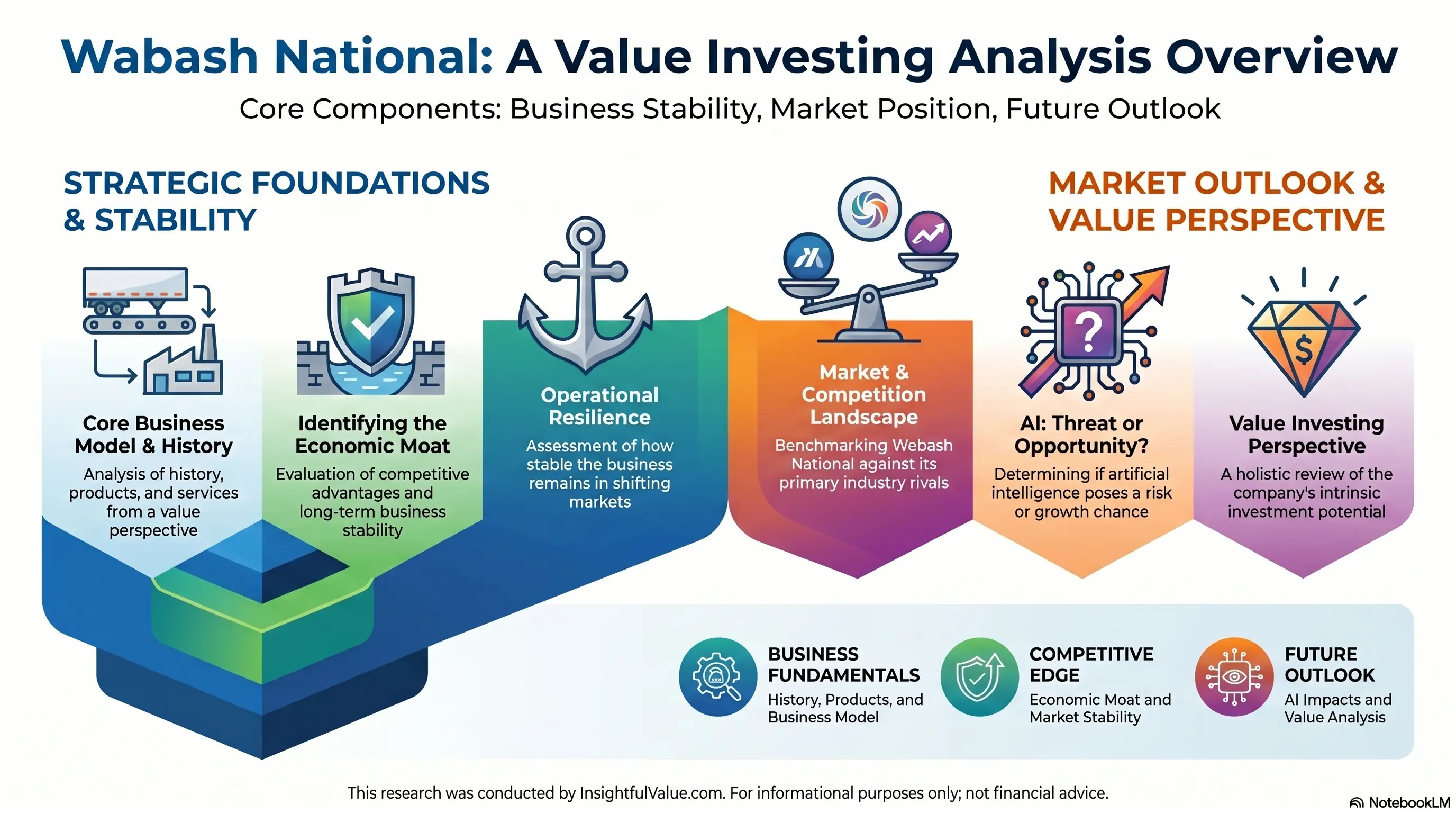
Infographic
Overview
Wabash National Corporation is a leading manufacturer of semi-trailers and transportation equipment. Founded in 1985 and headquartered in Lafayette, Indiana, the company is best known for its innovative approaches to trailer manufacturing, particularly in terms of lightweight designs, which aim to improve fuel efficiency and reduce emissions.
Wabash offers a wide range of products, including dry vans, refrigerated trailers, and speciality trailers. The company is also recognized for its advancements in composite technology, which enhances durability and longevity while decreasing weight.
In addition to its manufacturing capabilities, Wabash National focuses on providing value-added services to its customers, such as leasing, financing, and repair services. The company has a robust commitment to sustainability, actively pursuing practices that minimize environmental impact and promote energy efficiency across its operations.
With a strong presence in the North American transportation market, Wabash National serves a diverse customer base, including logistics companies, freight carriers, and independent truckers. The company’s dedication to innovation and sustainability has earned it a significant reputation in the industry.
How to explain to a 10 year old kid about the company?

📈 Want to read more about Wabash National?
Sign up for free
or
log in
📘 Claim your free eBook: "The Checklist Value Investor — A Smarter Way to Pick Stocks"
V2FiYXNoIE 5hdGlvbmFs IGlzIGEgY2 9tcGFueSB0 aGF0IG1ha2 VzIGJpZyB0 cmFpbGVycy BhbmQgdHJ1 Y2sgYm9kaW VzLiBUaGVz ZSBhcmUgdG hlIGxhcmdl IGNvbnRhaW 5lcnMgdGhh dCB0cnVja3 MgdXNlIHRv IGNhcnJ5IG dvb2RzLCBs aWtlIGZvb2 QsIGZ1cm5p dHVyZSwgb3 Igb3RoZXIg aXRlbXMsIG Zyb20gb25l IHBsYWNlIH RvIGFub3Ro ZXIuIEltYW dpbmUgaWYg eW91IGhhZC BhIHRveSB0 cnVjaywgYW 5kIHlvdSBu ZWVkZWQgYS BiaWcgYm94 IHRvIHB1dC BhbGwgeW91 ciB0b3lzIG luIHNvIHlv dSBjYW4gdG FrZSB0aGVt IHRvIGEgZn JpZW5k4oCZ cyBob3VzZS 4gVGhlIHRy YWlsZXJzIG 1hZGUgYnkg V2FiYXNoIE 5hdGlvbmFs IGFyZSBsaW tlIHRob3Nl IGJveGVzLC BqdXN0IG11 Y2ggYmlnZ2 VyIGFuZCB1 c2VkIGZvci ByZWFsIHRo aW5ncyE8Yn I+U28sIGhv dyBkb2VzIF dhYmFzaCBt YWtlIG1vbm V5PyBUaGV5 IHNlbGwgdG hlc2UgdHJh aWxlcnMgdG 8gdHJ1Y2tz IGFuZCBzaG lwcGluZyBj b21wYW5pZX MuIFdoZW4g YSBjb21wYW 55IG5lZWRz IG5ldyB0cm FpbGVycyB0 byBkZWxpdm VyIHByb2R1 Y3RzLCB0aG V5IGNhbiBi dXkgdGhlbS Bmcm9tIFdh YmFzaC4gQW xzbywgdGhl eSBvZmZlci BzZXJ2aWNl cyB0byBoZW xwIGtlZXAg dGhlIHRyYW lsZXJzIGlu IGdvb2Qgc2 hhcGUsIHdo aWNoIGNhbi BlYXJuIHRo ZW0gZXZlbi Btb3JlIG1v bmV5Ljxicj 5XYWJhc2gg TmF0aW9uYW wgaXMgc3Vj Y2Vzc2Z1bC Bmb3IgYSBm ZXcgcmVhc2 9ucy4gRmly c3QsIHRoZX kgZm9jdXMg b24gbWFraW 5nIGhpZ2gt cXVhbGl0eS BhbmQgZHVy YWJsZSBwcm 9kdWN0cyB0 aGF0IGxhc3 QgYSBsb25n IHRpbWUuIF RoaXMgaXMg aW1wb3J0YW 50IGJlY2F1 c2UgY29tcG FuaWVzIHdh bnQgdHJhaW xlcnMgdGhl eSBjYW4gdH J1c3QgdG8g Y2FycnkgdG hlaXIgZ29v ZHMgc2FmZW x5LiBTZWNv bmQsIHRoZX kgYXJlIGFs d2F5cyBsb2 9raW5nIGZv ciBuZXcgd2 F5cyB0byBp bXByb3ZlIH RoZWlyIHRy YWlsZXJzLC BtYWtpbmcg dGhlbSBsaW dodGVyIGFu ZCBtb3JlIG VuZXJneS1l ZmZpY2llbn QsIHdoaWNo IGhlbHBzIH RydWNrIGRy aXZlcnMgc2 F2ZSBvbiBm dWVsIGNvc3 RzLiBMYXN0 bHksIHRoZX Jl4oCZcyBh bHdheXMgYS BuZWVkIGZv ciB0cnVja3 MgdG8gZGVs aXZlciB0aG luZ3MsIHNv IGFzIGxvbm cgYXMgcGVv cGxlIGFyZS BidXlpbmcg YW5kIHNlbG xpbmcgc3R1 ZmYsIFdhYm FzaCB3aWxs IGhhdmUgY3 VzdG9tZXJz Ljxicj5Jbi B0aGUgZnV0 dXJlLCBXYW Jhc2ggaXMg bGlrZWx5IH RvIHN0YXkg c3VjY2Vzc2 Z1bCBiZWNh dXNlIHRoZX kgYXJlIGdv b2QgYXQgd2 hhdCB0aGV5 IGRvIGFuZC BhcmUgYWx3 YXlzIGlubm 92YXRpbmcu IEFzIG1vcm UgcGVvcGxl IHNob3Agb2 5saW5lIGFu ZCBuZWVkIG l0ZW1zIGRl bGl2ZXJlZC BxdWlja2x5 LCB0aGUgZG VtYW5kIGZv ciB0cnVja3 MgYW5kIHRy YWlsZXJzIH dpbGwga2Vl cCBncm93aW 5nLiBTbywg V2FiYXNoIE 5hdGlvbmFs IGlzIHdlbG wtcG9zaXRp b25lZCB0by Bjb250aW51 ZSBiZWluZy BhIGJpZyBw bGF5ZXIgaW 4gdGhlIHRy YW5zcG9ydG F0aW9uIGlu ZHVzdHJ5Lj xicj4=
What is special about the company?
📈 Want to read more about Wabash National?
Sign up for free
or
log in
🔓 Unlock our free guide: "The Checklist Value Investor — A Smarter Way to Pick Stocks"
V2FiYXNoIE 5hdGlvbmFs IENvcnBvcm F0aW9uIGlz IG5vdGFibG UgZm9yIHNl dmVyYWwgcm Vhc29uczo8 YnI+MS4gPH N0cm9uZz5J bm5vdmF0aW 9uIGluIFRy YWlsZXIgTW FudWZhY3R1 cmluZzwvc3 Ryb25nPjog VGhlIGNvbX BhbnkgaXMg cmVjb2duaX plZCBmb3Ig aXRzIGlubm 92YXRpb25z IGluIHRoZS BkZXNpZ24g YW5kIG1hbn VmYWN0dXJp bmcgb2Ygcm VmcmlnZXJh dGVkIHRyYW lsZXJzLCBk cnkgZnJlaW dodCB2YW4g dHJhaWxlcn MsIGFuZCBv dGhlciB0cm Fuc3BvcnRh dGlvbiBlcX VpcG1lbnQu IFdhYmFzaC B3YXMgYW1v bmcgdGhlIH Bpb25lZXJz IGluIHVzaW 5nIGNvbXBv c2l0ZSBtYX RlcmlhbHMs IHdoaWNoIG hlbHBlZCBp bXByb3ZlIH RoZSBkdXJh YmlsaXR5IG FuZCBmdWVs IGVmZmljaW VuY3kgb2Yg aXRzIHRyYW lsZXJzLjxi cj4yLiA8c3 Ryb25nPlN1 c3RhaW5hYm lsaXR5IEVm Zm9ydHM8L3 N0cm9uZz46 IFdhYmFzaC BoYXMgbWFk ZSBzaWduaW ZpY2FudCBz dHJpZGVzIG luIHN1c3Rh aW5hYmlsaX R5LCBlbXBo YXNpemluZy B0aGUgZGV2 ZWxvcG1lbn Qgb2YgbGln aHR3ZWlnaH QgdHJhaWxl cnMgdGhhdC BlbmhhbmNl IGZ1ZWwgZW ZmaWNpZW5j eSwgdGhlcm VieSByZWR1 Y2luZyB0aG UgY2FyYm9u IGZvb3Rwcm ludCBvZiBm cmVpZ2h0IH RyYW5zcG9y dGF0aW9uLi BUaGVpciBm b2N1cyBvbi BlbnZpcm9u bWVudGFsbH kgZnJpZW5k bHkgbWFudW ZhY3R1cmlu ZyBwcmFjdG ljZXMgYWxz byBzZXRzIH RoZW0gYXBh cnQgaW4gdG hlIGluZHVz dHJ5Ljxicj 4zLiA8c3Ry b25nPkluZH VzdHJ5IExl YWRlcnNoaX A8L3N0cm9u Zz46IFdhYm FzaCBOYXRp b25hbCBpcy BvbmUgb2Yg dGhlIGxhcm dlc3QgcHJv ZHVjZXJzIG 9mIHRyYWls ZXJzIGluIE 5vcnRoIEFt ZXJpY2EuIF RoZWlyIGV4 dGVuc2l2ZS BkaXN0cmli dXRpb24gbm V0d29yayBh bmQgc3RyYX RlZ2ljIHBh cnRuZXJzaG lwcyB3aXRo IHZhcmlvdX Mgc3Rha2Vo b2xkZXJzIG luIHRoZSBs b2dpc3RpY3 MgYW5kIHRy YW5zcG9ydG F0aW9uIGlu ZHVzdHJpZX MgYm9sc3Rl ciB0aGVpci Bwb3NpdGlv biBhcyBhIG 1hcmtldCBs ZWFkZXIuPG JyPjQuIDxz dHJvbmc+SG lzdG9yaWNh bCBTaWduaW ZpY2FuY2U8 L3N0cm9uZz 46IEZvdW5k ZWQgaW4gMT k4NSwgV2Fi YXNoIE5hdG lvbmFsIGhh cyBncm93bi Bmcm9tIGEg c21hbGwgY2 9tcGFueSB0 byBhIHB1Ym xpY2x5IHRy YWRlZCBjb3 Jwb3JhdGlv bi4gSXRzIG dyb3d0aCBz dG9yeSBpbG x1c3RyYXRl cyBzaWduaW ZpY2FudCB0 cmVuZHMgaW 4gQW1lcmlj YW4gbWFudW ZhY3R1cmlu ZyBhbmQgdH JhbnNwb3J0 YXRpb24gc2 VjdG9ycyBv dmVyIHRoZS BwYXN0IGZl dyBkZWNhZG VzLjxicj41 LiA8c3Ryb2 5nPkNvbW1p dG1lbnQgdG 8gUXVhbGl0 eTwvc3Ryb2 5nPjogVGhl IGNvbXBhbn kgZW1waGFz aXplcyBhIG NvbW1pdG1l bnQgdG8gcX VhbGl0eSBh bmQgY3VzdG 9tZXIgc2F0 aXNmYWN0aW 9uLCBvZmZl cmluZyBhIH JhbmdlIG9m IHByb2R1Y3 RzIHRhaWxv cmVkIHRvIH ZhcmlvdXMg aW5kdXN0cn kgbmVlZHMs IGJhY2tlZC BieSBleHRl bnNpdmUgd2 FycmFudGll cyBhbmQgc3 VwcG9ydCBz ZXJ2aWNlcy 48YnI+Ni4g PHN0cm9uZz 5Xb3JrZm9y Y2UgRGV2ZW xvcG1lbnQ8 L3N0cm9uZz 46IFdhYmFz aCBOYXRpb2 5hbCBpcyBh bHNvIGtub3 duIGZvciBp dHMgaW52ZX N0bWVudCBp biB3b3JrZm 9yY2UgZGV2 ZWxvcG1lbn QsIHByb3Zp ZGluZyB0cm FpbmluZyBh bmQgZGV2ZW xvcG1lbnQg b3Bwb3J0dW 5pdGllcyBm b3IgaXRzIG VtcGxveWVl cyB0byBtYW ludGFpbiBo aWdoIHN0YW 5kYXJkcyBp biBwcm9kdW N0aW9uIGFu ZCBtYW5hZ2 VtZW50Ljxi cj5UaGVzZS Bhc3BlY3Rz IGNvbnRyaW J1dGUgdG8g V2FiYXNoIE 5hdGlvbmFs 4oCZcyBzdH JvbmcgcmVw dXRhdGlvbi BpbiB0aGUg bWFudWZhY3 R1cmluZyBh bmQgdHJhbn Nwb3J0YXRp b24gaW5kdX N0cmllcy48 YnI+
What the company's business model?
📈 Want to read more about Wabash National?
Sign up for free
or
log in
🚀 Don’t miss "The Checklist Value Investor — A Smarter Way to Pick Stocks" — free!
V2FiYXNoIE 5hdGlvbmFs IENvcnBvcm F0aW9uIHBy aW1hcmlseS BvcGVyYXRl cyBpbiB0aG UgbWFudWZh Y3R1cmluZy BvZiB0cnVj ayB0cmFpbG VycyBhbmQg cmVsYXRlZC B0cmFuc3Bv cnRhdGlvbi BlcXVpcG1l bnQuIEl0cy BidXNpbmVz cyBtb2RlbC Bmb2N1c2Vz IG9uIHNldm VyYWwga2V5 IGFzcGVjdH M6PGJyPjEu IDxzdHJvbm c+UHJvZHVj dCBEaXZlcn NpZmljYXRp b248L3N0cm 9uZz46IFdh YmFzaCBwcm 9kdWNlcyBh IHZhcmlldH kgb2YgcHJv ZHVjdHMsIG luY2x1ZGlu ZyBkcnkgZn JlaWdodCB2 YW4gdHJhaW xlcnMsIHJl ZnJpZ2VyYX RlZCB0cmFp bGVycywgYW 5kIHNwZWNp YWx0eSB0cm FpbGVycy4g VGhpcyBkaX ZlcnNpZmlj YXRpb24gYW xsb3dzIHRo ZW0gdG8gc2 VydmUgZGlm ZmVyZW50IH NlZ21lbnRz IG9mIHRoZS B0cmFuc3Bv cnRhdGlvbi BpbmR1c3Ry eS48YnI+Mi 4gPHN0cm9u Zz5Jbm5vdm F0aXZlIFNv bHV0aW9ucz wvc3Ryb25n PjogVGhlIG NvbXBhbnkg ZW1waGFzaX plcyBpbm5v dmF0aW9uLC BwYXJ0aWN1 bGFybHkgaW 4gdHJhaWxl ciBkZXNpZ2 4gYW5kIG1h dGVyaWFscy 4gV2FiYXNo IGlzIGtub3 duIGZvciBp dHMgdXNlIG 9mIGNvbXBv c2l0ZSBtYX RlcmlhbHMg YW5kIGFkdm FuY2VkIG1h bnVmYWN0dX JpbmcgcHJv Y2Vzc2VzLC B3aGljaCBo ZWxwIGltcH JvdmUgZnVl bCBlZmZpY2 llbmN5IGFu ZCByZWR1Y2 Ugb3ZlcmFs bCB3ZWlnaH QuPGJyPjMu IDxzdHJvbm c+Q3VzdG9t ZXIgUmVsYX Rpb25zaGlw czwvc3Ryb2 5nPjogV2Fi YXNoIG1haW 50YWlucyBz dHJvbmcgcm VsYXRpb25z aGlwcyB3aX RoIGl0cyBj dXN0b21lcn MsIGluY2x1 ZGluZyBmbG VldCBvcGVy YXRvcnMsIG xvZ2lzdGlj cyBjb21wYW 5pZXMsIGFu ZCBpbmRlcG VuZGVudCB0 cnVja2Vycy 4gVGhleSB3 b3JrIGNsb3 NlbHkgd2l0 aCBjbGllbn RzIHRvIHVu ZGVyc3Rhbm QgdGhlaXIg bmVlZHMgYW 5kIGRldmVs b3AgdGFpbG 9yZWQgc29s dXRpb25zLj xicj40LiA8 c3Ryb25nPl N1c3RhaW5h YmlsaXR5IE ZvY3VzPC9z dHJvbmc+Oi BUaGUgY29t cGFueSBwbG FjZXMgYSBz aWduaWZpY2 FudCBlbXBo YXNpcyBvbi BzdXN0YWlu YWJpbGl0eS BieSBkZXZl bG9waW5nIH Byb2R1Y3Rz IHRoYXQgcm VkdWNlIGVt aXNzaW9ucy BhbmQgaW1w cm92ZSBlbm VyZ3kgZWZm aWNpZW5jeS 4gVGhpcyBh bGlnbnMgd2 l0aCB0aGUg Z3Jvd2luZy BkZW1hbmQg Zm9yIGVudm lyb25tZW50 YWxseSBmcm llbmRseSB0 cmFuc3Bvcn RhdGlvbiBz b2x1dGlvbn MuPGJyPjUu IDxzdHJvbm c+U2Vydmlj ZXMgYW5kIF N1cHBvcnQ8 L3N0cm9uZz 46IFdhYmFz aCBub3Qgb2 5seSBzZWxs cyB0cmFpbG VycyBidXQg YWxzbyBvZm ZlcnMgYSBy YW5nZSBvZi BhZnRlci1z YWxlcyBzZX J2aWNlcywg aW5jbHVkaW 5nIG1haW50 ZW5hbmNlLC BwYXJ0cywg YW5kIHJlcG FpcnMuIFRo aXMgc2Vydm ljZSBhc3Bl Y3QgZW5oYW 5jZXMgY3Vz dG9tZXIgbG 95YWx0eSBh bmQgZW5zdX JlcyBsb25n LXRlcm0gcm VsYXRpb25z aGlwcy48Yn I+Ni4gPHN0 cm9uZz5HZW 9ncmFwaGlj IFJlYWNoPC 9zdHJvbmc+ OiBUaGUgY2 9tcGFueSBv cGVyYXRlcy BhY3Jvc3Mg Tm9ydGggQW 1lcmljYSBh bmQgaXMgZX hwYW5kaW5n IGl0cyBwcm VzZW5jZSBp biBpbnRlcm 5hdGlvbmFs IG1hcmtldH MsIHdoaWNo IGhlbHBzIG 1pdGlnYXRl IHJpc2tzIG Fzc29jaWF0 ZWQgd2l0aC BlY29ub21p YyBmbHVjdH VhdGlvbnMg aW4gYW55IH NpbmdsZSBy ZWdpb24uPG JyPjcuIDxz dHJvbmc+U3 RyYXRlZ2lj IFBhcnRuZX JzaGlwczwv c3Ryb25nPj ogV2FiYXNo IG9mdGVuIH BhcnRuZXJz IHdpdGggb3 RoZXIgY29t cGFuaWVzIG luIHRoZSBz dXBwbHkgY2 hhaW4gdG8g aW1wcm92ZS BlZmZpY2ll bmN5IGFuZC BleHBhbmQg aXRzIG1hcm tldCByZWFj aC4gVGhpcy Bjb2xsYWJv cmF0aW9uIG NhbiBpbnZv bHZlIGpvaW 50IHZlbnR1 cmVzLCB0ZW Nobm9sb2d5 IHNoYXJpbm csIG9yIHN0 cmF0ZWdpYy BhbGxpYW5j ZXMuPGJyPk 92ZXJhbGws IFdhYmFzaC BOYXRpb25h bOKAmXMgYn VzaW5lc3Mg bW9kZWwgcm V2b2x2ZXMg YXJvdW5kIG lubm92YXRp b24sIGN1c3 RvbWVyIGZv Y3VzLCBhbm Qgc3VzdGFp bmFiaWxpdH ksIGFpbWVk IGF0IG1haW 50YWluaW5n IGEgY29tcG V0aXRpdmUg ZWRnZSBpbi B0aGUgdHJh bnNwb3J0YX Rpb24gZXF1 aXBtZW50IG luZHVzdHJ5 Ljxicj4=
Is AI a threat?
AI has the potential to impact various aspects of Wabash National’s business, including its products, services, and competitive positioning. Here are a few key considerations:
1. Substitution: AI could enable the development of advanced manufacturing processes or materials that may serve as substitutes for Wabash National’s existing products, such as trailers and liquid transportation solutions. If new technologies emerge that can deliver the same functionality at a lower cost or with improved efficiency, this could pose a risk to Wabash National’s market share.
2. Disintermediation: AI-driven technologies may facilitate direct transactions between manufacturers and end-users, potentially reducing the role of intermediaries that Wabash National relies on for sales or distribution. This could lead to increased competition from new entrants that can leverage AI to streamline operations and reach customers more effectively.
3. Margin Pressure: The integration of AI in manufacturing and logistics could lead to increased automation and efficiencies, driving down costs across the industry. If competitors adopt AI to optimize their operations and pass those savings on to customers, it could pressure Wabash National to decrease its prices to remain competitive, impacting profit margins.
4. Product Innovation: On the positive side, AI can also provide opportunities for product innovation. Wabash National could leverage AI to enhance its existing offerings, develop smarter trailer technologies, or improve customer insights through data analysis, potentially strengthening its competitive position.
In conclusion, while AI presents potential threats to Wabash National through substitution, disintermediation, and margin pressure, it also offers opportunities for innovation and operational improvement. The company’s response to these changes will determine its resilience and competitive positioning in the industry.
Sensitivity to interest rates
Wabash National Corporation, like many manufacturing and transportation companies, can experience sensitivity in its earnings, cash flow, and valuation due to changes in interest rates. Here’s how:
1. Earnings Sensitivity: Higher interest rates generally increase borrowing costs for companies with debt. If Wabash has significant amounts of debt, higher rates can lead to increased interest expenses, negatively impacting net earnings. Additionally, if rates rise, consumer spending may decrease, leading to reduced demand for Wabash’s products and impacting revenue.
2. Cash Flow Sensitivity: Changes in interest rates can affect cash flow in two main ways. First, increased interest costs can reduce free cash flow available for reinvestment or dividends. Second, higher rates typically impact the capital spending decisions of customers, potentially leading to lower orders for Wabash’s equipment. Cash flow is also impacted by broader economic conditions; higher interest rates may slow down economic growth, further affecting operational cash flow.
3. Valuation Sensitivity: To value companies, analysts often use discounted cash flow (DCF) methods where future cash flows are discounted back to present value using a discount rate influenced by interest rates. When interest rates rise, the discount rate increases, reducing the present value of future cash flows. This decline can lead to a lower valuation for Wabash National in the eyes of investors.
In summary, Wabash National’s financial performance can be significantly affected by changes in interest rates, particularly if the company has considerable debt, faces economic slowdowns due to consumer behavior, or relies heavily on investment valuations that are sensitive to discount rates.
Resilience to the future changes
📈 Want to read more about Wabash National?
Sign up for free
or
log in
🚀 Don’t miss "The Checklist Value Investor — A Smarter Way to Pick Stocks" — free!
QSByZWFsaX N0aWMgc2Nl bmFyaW8gdG hhdCBjb3Vs ZCBwZXJtYW 5lbnRseSBp bXBhaXIgV2 FiYXNoIE5h dGlvbmFs4o CZcyBlY29u b21pY3Mgb3 ZlciB0aGUg bmV4dCAzIH RvIDUgeWVh cnMgaXMgYS BzaWduaWZp Y2FudCBhbm QgcHJvbG9u Z2VkIGRvd2 50dXJuIGlu IHRoZSB0cn Vja2luZyBh bmQgdHJhbn Nwb3J0YXRp b24gaW5kdX N0cmllcywg ZXhhY2VyYm F0ZWQgYnkg YSBjb21iaW 5hdGlvbiBv ZiByZWd1bG F0b3J5IGNo YW5nZXMgYW 5kIHNoaWZ0 cyBpbiBjb2 5zdW1lciBi ZWhhdmlvci 4gVGhpcyBz Y2VuYXJpby Bjb3VsZCB1 bmZvbGQgYX MgZm9sbG93 czo8YnI+MS 4gPHN0cm9u Zz5JbmNyZW FzZWQgRW52 aXJvbm1lbn RhbCBSZWd1 bGF0aW9ucz wvc3Ryb25n PjogU3RyaW N0ZXIgZW1p c3Npb25zIH JlZ3VsYXRp b25zIGFuZC BtYW5kYXRl cyBmb3IgbW 9yZSBlbnZp cm9ubWVudG FsbHkgZnJp ZW5kbHkgdH JhbnNwb3J0 YXRpb24gc2 9sdXRpb25z IGNvdWxkIG luY3JlYXNl IHByb2R1Y3 Rpb24gY29z dHMgZm9yIF dhYmFzaCBO YXRpb25hbC 4gSWYgdGhl IGNvbXBhbn kgaXMgdW5h YmxlIHRvIG FkYXB0IHF1 aWNrbHkgdG 8gdGhlc2Ug cmVndWxhdG lvbnMsIGl0 IGNvdWxkIG ZhY2UgcGVu YWx0aWVzIG 9yIGxvc2Ug aXRzIGNvbX BldGl0aXZl IGVkZ2UuPG JyPjIuIDxz dHJvbmc+VG VjaG5vbG9n aWNhbCBEaX NydXB0aW9u PC9zdHJvbm c+OiBUaGUg cmlzZSBvZi BlbGVjdHJp YyBhbmQgYX V0b25vbW91 cyB2ZWhpY2 xlcyBjb3Vs ZCBsZWFkIH RvIGEgZGVj bGluZSBpbi BkZW1hbmQg Zm9yIHRyYW RpdGlvbmFs IHRyYWlsZX IgcHJvZHVj dHMuIElmIF dhYmFzaCBO YXRpb25hbC BmYWlscyB0 byBpbm5vdm F0ZSBvciBp bnZlc3QgaW 4gbmV3IHRl Y2hub2xvZ2 llcywgaXQg bWF5IGxvc2 UgbWFya2V0 IHNoYXJlIH RvIG1vcmUg YWdpbGUgY2 9tcGV0aXRv cnMgdGhhdC Bmb2N1cyBv biBhZHZhbm NlZCwgY2xl YW5lciB0ZW Nobm9sb2dp ZXMuPGJyPj MuIDxzdHJv bmc+RWNvbm 9taWMgRG93 bnR1cm4gYW 5kIFN1cHBs eSBDaGFpbi BEaXNydXB0 aW9uczwvc3 Ryb25nPjog QSByZWNlc3 Npb24gb3Ig c3VwcGx5IG NoYWluIGlz c3VlcywgcG 9zc2libHkg ZXhhY2VyYm F0ZWQgYnkg Z2VvcG9saX RpY2FsIHRl bnNpb25zIG 9yIGdsb2Jh bCBwYW5kZW 1pY3MsIGNv dWxkIHJlZH VjZSBmcmVp Z2h0IHZvbH VtZXMuIFRo aXMgd291bG QgcmVzdWx0 IGluIGxvd2 VyIGRlbWFu ZCBmb3IgdH JhaWxlcnMs IGRpcmVjdG x5IGFmZmVj dGluZyBXYW Jhc2ggTmF0 aW9uYWzigJ lzIHNhbGVz Ljxicj40Li A8c3Ryb25n PlNoaWZ0IG luIENvbnN1 bWVyIEJlaG F2aW9yPC9z dHJvbmc+Oi BBIHN1c3Rh aW5lZCBzaG lmdCB0b3dh cmQgZS1jb2 1tZXJjZSBh bmQgbGFzdC 1taWxlIGRl bGl2ZXJ5IG NvdWxkIGFs dGVyIHRoZS B0eXBlcyBv ZiB0cmFpbG VycyBpbiBk ZW1hbmQsIH dpdGggYSBw cmVmZXJlbm NlIGZvciBz cGVjaWFsaX plZCB2ZWhp Y2xlcyB0aG F0IG1lZXQg dGhlIG5lZW RzIG9mIHRo aXMgc2VnbW VudC4gSWYg V2FiYXNoIE 5hdGlvbmFs IGNhbm5vdC BwaXZvdCBx dWlja2x5LC BpdCByaXNr cyBvYnNvbG VzY2VuY2Uu PGJyPklmIH RoaXMgc2Nl bmFyaW8gcG xheXMgb3V0 LCBXYWJhc2 ggTmF0aW9u YWzigJlzIG ZpbmFuY2lh bCBtZXRyaW NzIGNvdWxk IHJlZmxlY3 QgdGhlIGZv bGxvd2luZy BjaGFuZ2Vz Ojxicj4tID xzdHJvbmc+ TWFyZ2lucz wvc3Ryb25n PjogUHJvZm l0IG1hcmdp bnMgY291bG Qgc2hyaW5r IHNpZ25pZm ljYW50bHkg ZHVlIHRvIG luY3JlYXNl ZCBwcm9kdW N0aW9uIGNv c3RzIGFuZC BhIGRlY2xp bmUgaW4gZG VtYW5kLiBU aGUgaW5hYm lsaXR5IHRv IHBhc3Mgb2 4gY29zdHMg b3IgaW52ZX N0IGluIG5l dyB0ZWNobm 9sb2dpZXMg Y291bGQgbG VhZCB0byBk ZWNyZWFzZW QgcHJpY2lu ZyBwb3dlci wgcmVzdWx0 aW5nIGluIG xvd2VyIG92 ZXJhbGwgcH JvZml0YWJp bGl0eS48Yn I+LSA8c3Ry b25nPkNhc2 ggRmxvdzwv c3Ryb25nPj ogQ2FzaCBm bG93IGZyb2 0gb3BlcmF0 aW9ucyB3b3 VsZCBsaWtl bHkgZGVjcm Vhc2UgYXMg c2FsZXMgZH JvcCBhbmQg d29ya2luZy BjYXBpdGFs IG5lZWRzIG luY3JlYXNl LiBUaGUgY2 9tcGFueSBt YXkgc3RydW dnbGUgdG8g bWFpbnRhaW 4gcG9zaXRp dmUgY2FzaC BmbG93cywg bGVhZGluZy B0byBwb3Rl bnRpYWwgbG lxdWlkaXR5 IGlzc3Vlcy 4gSWYgc2ln bmlmaWNhbn QgaW52ZXN0 bWVudHMgYX JlIG5lZWRl ZCB0byBwaX ZvdCB0b3dh cmRzIG5ldy B0ZWNobm9s b2dpZXMsIH RoaXMgY291 bGQgZnVydG hlciBzdHJh aW4gY2FzaC BmbG93Ljxi cj4tIDxzdH Jvbmc+QmFs YW5jZSBTaG VldDwvc3Ry b25nPjogVG hlIGJhbGFu Y2Ugc2hlZX QgY291bGQg ZGV0ZXJpb3 JhdGUgb3Zl ciB0aW1lLi BJZiBXYWJh c2ggTmF0aW 9uYWwgaW5j dXJzIGRlYn QgdG8gZmlu YW5jZSBuZW Nlc3Nhcnkg dHJhbnNpdG lvbnMgb3Ig ZG9lc27igJ l0IGdlbmVy YXRlIHN1Zm ZpY2llbnQg Y2FzaCBmbG 93LCBpdHMg ZGVidC10by 1lcXVpdHkg cmF0aW8gY2 91bGQgcmlz ZS4gQWRkaX Rpb25hbGx5 LCBwb3Rlbn RpYWxseSBk ZWNsaW5pbm cgYXNzZXQg dmFsdWVzIG FuZCBpbnZl bnRvcmllcy BhcmlzaW5n IGZyb20gcm VkdWNlZCBk ZW1hbmQgd2 91bGQgaW1w YWN0IHRoZS BvdmVyYWxs IGhlYWx0aC BvZiB0aGUg YmFsYW5jZS BzaGVldC48 YnI+SW4gc3 VtLCBhIHBy b2xvbmdlZC Bkb3dudHVy biBpbiB0aG UgdHJ1Y2tp bmcgaW5kdX N0cnksIGRy aXZlbiBieS ByZWd1bGF0 b3J5IGNoYW 5nZXMsIHRl Y2hub2xvZ2 ljYWwgc2hp ZnRzLCBlY2 9ub21pYyBm YWN0b3JzLC BhbmQgZXZv bHZpbmcgY2 9uc3VtZXIg cHJlZmVyZW 5jZXMsIGNv dWxkIHBlcm 1hbmVudGx5 IGltcGFpci BXYWJhc2gg TmF0aW9uYW zigJlzIGVj b25vbWljcy wgbGVhZGlu ZyB0byBuYX Jyb3dlciBt YXJnaW5zLC ByZWR1Y2Vk IGNhc2ggZm xvd3MsIGFu ZCBhIHdlYW tlbmVkIGJh bGFuY2Ugc2 hlZXQgb3Zl ciB0aGUgbm V4dCBzZXZl cmFsIHllYX JzLjxicj4=
Interesting facts about the company
📈 Want to read more about Wabash National?
Sign up for free
or
log in
📖 Get insights from "The Checklist Value Investor — A Smarter Way to Pick Stocks" now!
CiAgICAgIC AgICAgIDxk aXYgc3R5bG U9J3dpZHRo OiAxMDAlOy BkaXNwbGF5 OiBmbGV4Oy BqdXN0aWZ5 LWNvbnRlbn Q6IGNlbnRl cjsnPgogIC AgICAgICAg ICAgICAgPG RpdiBzdHls ZT0nCiAgIC AgICAgICAg ICAgICAgIC AgZGlzcGxh eTogZmxleD sKICAgICAg ICAgICAgIC AgICAgICBh bGlnbi1pdG VtczogY2Vu dGVyOwogIC AgICAgICAg ICAgICAgIC AgIGJhY2tn cm91bmQtY2 9sb3I6ICNm MGY0Zjg7Ci AgICAgICAg ICAgICAgIC AgICAgYm9y ZGVyOiAxcH ggc29saWQg I2QxZTNmMD sKICAgICAg ICAgICAgIC AgICAgICBi b3JkZXItcm FkaXVzOiAx MHB4OwogIC AgICAgICAg ICAgICAgIC AgIHBhZGRp bmc6IDEwcH g7CiAgICAg ICAgICAgIC AgICAgICAg bWFyZ2luOi AyMHB4IDA7 CiAgICAgIC AgICAgICAg ICAgICAgZm 9udC1mYW1p bHk6ICJTZW dvZSBVSSIs IFJvYm90by wgc2Fucy1z ZXJpZjsKIC AgICAgICAg ICAgICAgIC AgICBib3gt c2hhZG93Oi AwIDJweCA2 cHggcmdiYS gwLCAwLCAw LCAwLjA1KT sKICAgICAg ICAgICAgIC AgICAgICBt YXgtd2lkdG g6IDkwMHB4 OwogICAgIC AgICAgICAg ICAgICAgIH dpZHRoOiAx MDAlOyc+Cg ogICAgICAg ICAgICAgIC AgICAgIDxp bWcgc3JjPS Jhc3NldHMv bG9nb3MvV3 VXQXhXWUFM cXBPSnNjOU JFTnIud2Vi cCIgYWx0PS JXYWJhc2gg TmF0aW9uYW wiIHRpdGxl PSJXYWJhc2 ggTmF0aW9u YWwiICBjbG Fzcz0iaW1n LWZsdWlkIi BoZWlnaHQ9 NTAgd2lkdG g9NTAgbG9h ZGluZz0nbG F6eScgc3R5 bGU9J2Jvcm Rlci1yYWRp dXM6IDZweD snPgoKICAg ICAgICAgIC AgICAgICAg ICA8ZGl2IH N0eWxlPSdm bGV4OiAxOy B0ZXh0LWFs aWduOiBjZW 50ZXI7IG1h cmdpbi1sZW Z0OiA1cHg7 Jz4KICAgIC AgICAgICAg ICAgICAgIC AgICAgPHAg c3R5bGU9J2 ZvbnQtc2l6 ZTogMjZweD sgY29sb3I6 ICMzMzM7IG 1hcmdpbi1i b3R0b206ID E1cHg7Jz4K ICAgICAgIC AgICAgICAg ICAgICAgIC AgICAgIPCf k4ggV2FudC B0byByZWFk IG1vcmUgYW JvdXQgV2Fi YXNoIE5hdG lvbmFsPwog ICAgICAgIC AgICAgICAg ICAgICAgIC A8L3A+Cgog ICAgICAgIC AgICAgICAg ICAgICAgIC A8YSBocmVm PSdpbmRleC 5waHA/cGFn ZT1zaWdudX AnIHN0eWxl PScKICAgIC AgICAgICAg ICAgICAgIC AgICAgICAg IGJhY2tncm 91bmQtY29s b3I6ICMwMD dCRkY7CiAg ICAgICAgIC AgICAgICAg ICAgICAgIC AgICBjb2xv cjogI2ZmZj sKICAgICAg ICAgICAgIC AgICAgICAg ICAgICAgIH BhZGRpbmc6 IDEwcHggMj BweDsKICAg ICAgICAgIC AgICAgICAg ICAgICAgIC AgIGJvcmRl ci1yYWRpdX M6IDVweDsK ICAgICAgIC AgICAgICAg ICAgICAgIC AgICAgIHRl eHQtZGVjb3 JhdGlvbjog bm9uZTsKIC AgICAgICAg ICAgICAgIC AgICAgICAg ICAgIGZvbn Qtd2VpZ2h0 OiBib2xkOw ogICAgICAg ICAgICAgIC AgICAgICAg ICAgICAgbW FyZ2luLXJp Z2h0OiAxMH B4OwogICAg ICAgICAgIC AgICAgICAg ICAgICAgIC AgdHJhbnNp dGlvbjogYm Fja2dyb3Vu ZC1jb2xvci AwLjNzIGVh c2U7JwogIC AgICAgICAg ICAgICAgIC AgICAgICAg ICAgb25tb3 VzZW92ZXI9 J3RoaXMuc3 R5bGUuYmFj a2dyb3VuZE NvbG9yPSIj MDA1NmIzIi cKICAgICAg ICAgICAgIC AgICAgICAg ICAgICAgIG 9ubW91c2Vv dXQ9J3RoaX Muc3R5bGUu YmFja2dyb3 VuZENvbG9y PSIjMDA3Qk ZGIic+CiAg ICAgICAgIC AgICAgICAg ICAgICAgIC AgICBTaWdu IHVwIGZvci BmcmVlCiAg ICAgICAgIC AgICAgICAg ICAgICAgID wvYT4KCiAg ICAgICAgIC AgICAgICAg ICAgICAgID xzcGFuIHN0 eWxlPSdtYX JnaW46IDAg OHB4OyBjb2 xvcjogIzU1 NTsnPm9yPC 9zcGFuPgoK ICAgICAgIC AgICAgICAg ICAgICAgIC AgPGEgaHJl Zj0naW5kZX gucGhwP3Bh Z2U9bG9naW 4nIHN0eWxl PScKICAgIC AgICAgICAg ICAgICAgIC AgICAgICAg IGNvbG9yOi AjMDA3QkZG OwogICAgIC AgICAgICAg ICAgICAgIC AgICAgICAg dGV4dC1kZW NvcmF0aW9u OiB1bmRlcm xpbmU7CiAg ICAgICAgIC AgICAgICAg ICAgICAgIC AgICBmb250 LXdlaWdodD ogNTAwOyc+ CiAgICAgIC AgICAgICAg ICAgICAgIC AgICAgICBs b2cgaW4KIC AgICAgICAg ICAgICAgIC AgICAgICAg PC9hPgoKCi AgICAgICAg ICAgICAgIC AgICAgICAg IDxwIHN0eW xlPSdtYXJn aW4tdG9wOi AxNXB4OyBm b250LXNpem U6IDEzcHg7 IGZvbnQtd2 VpZ2h0OiBi b2xkOyBjb2 xvcjogI2Qz MmYyZjsnPg ogICAgICAg ICAgICAgIC AgICAgICAg ICAgICAg8J +TmCBDbGFp bSB5b3VyIG ZyZWUgZUJv b2s6IDxpPi JUaGUgQ2hl Y2tsaXN0IF ZhbHVlIElu dmVzdG9yIO KAlCBBIFNt YXJ0ZXIgV2 F5IHRvIFBp Y2sgU3RvY2 tzIjwvaT4K ICAgICAgIC AgICAgICAg ICAgICAgIC AgPC9wPgoK ICAgICAgIC AgICAgICAg ICAgICAgIC AgPCEtLQog ICAgICAgIC AgICAgICAg ICAgICAgIC A8ZGl2IHN0 eWxlPSdtYX JnaW4tdG9w OiAxMnB4Oy Bmb250LXNp emU6IDEzcH g7IGNvbG9y OiAjNDQ0Oy c+CiAgICAg ICAgICAgIC AgICAgICAg ICAgICAgIC BTaWduIHVw IG5vdyBhbm QgZ2V0IG91 ciBmcmVlIG VCb29rIAog ICAgICAgIC AgICAgICAg ICAgICAgIC AgICAgPGI+ VGhlIENoZW NrbGlzdCBW YWx1ZSBJbn Zlc3RvciDi gJQgQSBTbW FydGVyIFdh eSB0byBQaW NrIFN0b2Nr czwvYj4KIC AgICAgICAg ICAgICAgIC AgICAgICAg PC9kaXY+Ci AgICAgICAg ICAgICAgIC AgICAgICAg IC0tPgogIC AgICAgICAg ICAgICAgIC AgICAgICA8 IS0tCiAgIC AgICAgICAg ICAgICAgIC AgICAgIDxk aXYgc3R5bG U9J21hcmdp bi10b3A6ID E2cHg7IGZv bnQtc2l6ZT ogMTRweDsg Y29sb3I6IC M0NDQ7IGZv bnQtZmFtaW x5OiAtYXBw bGUtc3lzdG VtLCBCbGlu a01hY1N5c3 RlbUZvbnQs IFNlZ29lIF VJLCBSb2Jv dG8sIEhlbH ZldGljYSBO ZXVlLCBzYW 5zLXNlcmlm OyBsaW5lLW hlaWdodDog MS42Oyc+Ci AgICAgICAg ICAgICAgIC AgICAgICAg ICAgICBIYX ZlIHlvdSBo ZWFyZCBhYm 91dCBvdXIg c2hvcnQgPH N0cm9uZyBz dHlsZT0nZm 9udC13ZWln aHQ6IDYwMD snPkRhaWx5 IFZpZGVvIE 5ld3NsZXR0 ZXI8L3N0cm 9uZz4/CiAg ICAgICAgIC AgICAgICAg ICAgICAgIC AgICA8YSBo cmVmPSdodH RwczovL3d3 dy5pbnNpZ2 h0ZnVsdmFs dWUuY29tL2 5ld3NsZXR0 ZXIucGhwJy B0YXJnZXQ9 J19ibGFuay cgc3R5bGU9 J2NvbG9yOi AjMDA3QkZG OyB0ZXh0LW RlY29yYXRp b246IG5vbm U7IGZvbnQt d2VpZ2h0Oi A1MDA7IG1h cmdpbi1sZW Z0OiA2cHg7 Jz4KICAgIC AgICAgICAg ICAgICAgIC AgICAgICAg ICAgICBGaW 5kIG91dCBt b3JlCiAgIC AgICAgICAg ICAgICAgIC AgICAgICAg ICA8L2E+Ci AgICAgICAg ICAgICAgIC AgICAgICAg IDwvZGl2Pg ogICAgICAg ICAgICAgIC AgICAgICAg ICAtLT4KIC AgICAgICAg ICAgICAgIC AgICA8L2Rp dj4KICAgIC AgICAgICAg ICAgIDwvZG l2PgogICAg ICAgICAgIC A8L2Rpdj4K ICAgICAgIC AgICAgCiAg ICAgICAgCi AgICAgICAg PHNwYW4gY2 xhc3M9J2Js dXJyZWQtdG V4dCc+CiAg ICAgICAgIC AgIFYyRmlZ WE5vSUUgNW hkR2x2Ym1G cyBJRU52Y2 5CdmNtIEYw YVc5dUlHbH ogSUdFZ2Jt OTBZVyBKc1 pTQnVZVzFs IElHbHVJSF JvWlMgQjBj bUZ1YzNCdi BjblJoZEds dmJpIEJwYm 1SMWMzUnkg ZVN3Z2MzQm xZMiBsaGJH bDZhVzVuIE lHbHVJSFJv WlMgQnRZVz UxWm1GaiBk SFZ5YVc1bk lHIDltSUhO bGJXa3QgZE hKaGFXeGxj biBNZ1lXNW tJRzkwIGFH VnlJSFJ5WV cgNXpjRzl5 ZEdGMCBhVz l1SUdWeGRX IGx3YldWdW RDNGcgU0dW eVpTQmhjbS BVZ2MyOXRa U0JwIGJuUm xjbVZ6ZEcg bHVaeUJtWV dOMCBjeUJo WW05MWRDIE IwYUdVZ1ky OXQgY0dGdW VUbzhZbiBJ K01TNGdSbT kxIGJtUmxa Q0JwYmkgQX hPVGcxTENC WCBZV0poYz JnZ1RtIEYw YVc5dVlXd2 cgYzNSaGNu UmxaQyBCaG N5QmhJSE50 IFlXeHNJRz FoYm4gVm1Z V04wZFhKbC BjaUJ2WmlC MGNuIFZqYX lCMGNtRnAg YkdWeWN5Qm hibSBRZ2FH RnpJSE5wIG JtTmxJR2R5 YjMgZHVJR2 x1ZEc4ZyBi MjVsSUc5bU lIIFJvWlNC c1pXRmsgYV c1bklIQnli MiBSMVkyVn ljeUJwIGJp QjBhR1VnYV cgNWtkWE4w Y25rdSBQR0 p5UGpJdUlG IFJvWlNCam IyMXcgWVc1 NUlHbHpJRy BobFlXUnhk V0Z5IGRHVn laV1FnYVcg NGdUR0ZtWV hsbCBkSFJs TENCSmJtIF JwWVc1aExD QjMgYUdsam FDQnpaWCBK MlpYTWdZWE 1nIFlTQnpk SEpoZEcgVm 5hV01nYkc5 aiBZWFJwYj I0Z1ptIDl5 SUcxaGJuVm 0gWVdOMGRY SnBibSBjZ1 lXNWtJR1Jw IGMzUnlhV0 oxZEcgbHZi aUIzYVhSby BhVzRnZEdo bElFIDFwWk hkbGMzUXUg UEdKeVBqTX VJRiBkaFlt RnphQ0JPIF lYUnBiMjVo YkMgQnBjeU J5WldOdiBa MjVwZW1Wa0 lHIFp2Y2lC d2FXOXUgWl dWeWFXNW5J SCBSb1pTQj FjMlVnIGIy WWdZMjl0Y0 cgOXphWFJs SUcxaCBkR1 Z5YVdGc2N5 IEJwYmlCMG NtRnAgYkdW eUlHMWhibi BWbVlXTjBk WEpwIGJtY3 NJSE5wWjIg NXBabWxqWV c1MCBiSGtn Y21Wa2RXIE 5wYm1jZ2RH aGwgSUhkbG FXZG9kQyBC dlppQjBhR1 VnIGRISmhh V3hsY24gTW dkMmhwYkdV ZyBiV0ZwYm 5SaGFXIDVw Ym1jZ1pIVn kgWVdKcGJH bDBlUyA0OF luSStOQzRn IFZHaGxJR0 52YlggQmhi bm5pZ0psei BJSEJ5YjJS MVkzIFFnYk dsdVpYVncg SUdsdVkyeD FaRyBWeklH RWdkbUZ5IG FXVjBlU0J2 WmkgQjBjbU ZwYkdWeSBj eUJ6ZFdOb0 lHIEZ6SUdS eWVTQjIgWV c0Z2RISmhh VyB4bGNuTX NJSEpsIFpu SnBaMlZ5WV ggUmxaQ0Iw Y21GcCBiR1 Z5Y3l3Z1lX IDVrSUdac1 lYUmkgWldS ekxDQmpZWC BSbGNtbHVa eUIwIGJ5Qm thV1ptWlgg SmxiblFnYz JWbiBiV1Z1 ZEhNZ2IyIF lnZEdobElH eHYgWjJsem RHbGpjeSBC aGJtUWdkSE poIGJuTndi M0owWVggUn BiMjRnYldG eSBhMlYwY3 k0OFluIEkr TlM0Z1YyRm kgWVhOb0lF NWhkRyBsdm JtRnNJR2x6 IElHTnZiVz FwZEggUmxa Q0IwYnlCei BkWE4wWVds dVlXIEpwYk dsMGVTQmgg Ym1RZ2FHRn pJRyBsdWRI SnZaSFZqIF pXUWdjMlYy WlggSmhiQ0 JsWTI4dCBa bkpwWlc1a2 JIIGtnYVc1 cGRHbGggZE dsMlpYTXNJ RyBsdVkyeD FaR2x1IFp5 QjBhR1VnWk cgVjJaV3h2 Y0cxbCBibl FnYjJZZ2JH IGxuYUhSM1 pXbG4gYUhR Z2RISmhhVy B4bGNuTWdk R2hoIGRDQn BiWEJ5YjMg WmxJR1oxWl d3ZyBaV1pt YVdOcFpXID VqZVNCaGJt UWcgY21Wa2 RXTmxJRyBW dGFYTnphVz l1IGN5NDhZ bkkrTmkgNG dWR2hsSUdO diBiWEJoYm 5rZ2NHIHho ZVhNZ1lTQn ogYVdkdWFX WnBZMiBGdW RDQnliMnhs IElHbHVJSF JvWlMgQjBj blZqYTJsdS BaeUJwYm1S MWMzIFJ5ZV N3Z2QybDAg YUNCMGFHVn BjaSBCMGNt RnBiR1Z5IG N5QmlaV2x1 WnkgQjFkR2 xzYVhwbCBa Q0JpZVNCdF lXIHB2Y2lC c2IyZHAgYz NScFkzTWda bSBseWJYTW dZVzVrIElH TmhjbWR2SU cgTmhjbkpw WlhKeiBJR0 ZqY205emN5 IEJPYjNKMG FDQkIgYldW eWFXTmhMai B4aWNqNDNM aUJKIGJpQm haR1JwZEcg bHZiaUIwYn lCdCBZVzUx Wm1GamRIIF Z5YVc1bkxD QlggWVdKaG MyZ2dUbSBG MGFXOXVZV3 dnIFlXeHpi eUJ3Y20gOT JhV1JsY3lC eSBaWEJoYV hJZ2MyIFZ5 ZG1salpYTW cgWVc1a0lH Rm1kRyBWeW JXRnlhMlYw IElIQmhjbl J6SUggUnZJ R1Z1YzNWeS BaU0IwYUdV Z2JHIDl1Wj JWMmFYUjUg SUdGdVpDQn daWCBKbWIz SnRZVzVqIF pTQnZaaUIw YUcgVnBjaU J3Y205ayBk V04wY3k0OF luIEkrT0M0 Z1YyRmkgWV hOb0lFNWhk RyBsdmJtRn NJR2hoIGN5 QnlaV05sYV ggWmxaQ0J1 ZFcxbCBjbT kxY3lCaGQy IEZ5WkhNZ1 ptOXkgSUds MGN5QnBibS A1dmRtRjBh WFpsIElHUm xjMmxuYm4g TWdZVzVrSU cxaCBiblZt WVdOMGRYIE pwYm1jZ2NI SmggWTNScF kyVnpMQyBC b2FXZG9iR2 xuIGFIUnBi bWNnYVggUn pJR052Ylcx cCBkRzFsYm 5RZ2RHIDhn Y1hWaGJHbD AgZVNCaGJt UWdiMyBCbG NtRjBhVzl1 IFlXd2daWG hqWlcgeHNa VzVqWlM0OC BZbkkrT1M0 Z1ZHIGhsSU dOdmJYQmgg Ym5rZ2FHRn pJRyBWNGNH RnVaR1ZrIE lHbDBjeUJ2 Y0cgVnlZWF JwYjI1eiBJ RzkyWlhJZ2 RHIGhsSUhs bFlYSnogTE NCcGJtTnNk VyBScGJtY2 dkR2hsIElH VnpkR0ZpYk cgbHphRzFs Ym5RZyBiMl lnYldGdWRX IFpoWTNSMW NtbHUgWnlC bVlXTnBiRy BsMGFXVnpJ R2x1IElIWm hjbWx2ZFgg TWdiRzlqWV hScCBiMjV6 SUhSdklHID FsWlhRZ1oz SnYgZDJsdV p5QmtaVyAx aGJtUXVQR0 p5IFBqRXdM aUJYWVcgSm hjMmdnVG1G MCBhVzl1WV d3Z2FYIE1n Y0hWaWJHbG ogYkhrZ2RI SmhaRyBWa0 lHOXVJSFJv IFpTQk9aWG NnV1cgOXlh eUJUZEc5ai BheUJGZUdO b1lXIDVuWl NCMWJtUmwg Y2lCMGFHVW dkRyBsamEy VnlJSE41IG JXSnZiQ0JY VGsgTXNJSG RvYVdObyBJ SEpsWm14bF kzIFJ6SUds MGN5QnogZE dGMGRYTWdZ WCBNZ1lTQn phV2R1IGFX WnBZMkZ1ZE MgQndiR0Y1 WlhJZyBhVz RnZEdobElI IFJ5WVc1em NHOXkgZEdG MGFXOXVJSC BObFkzUnZj aTQ4IFluSS tWR2hsYzIg VWdabUZqZE hNZyBhV3hz ZFhOMGNtIE YwWlNCWFlX SmggYzJnZ1 RtRjBhVyA5 dVlXemlnSm x6IElHbHRj R0ZqZEMgQn ZiaUIwYUdV ZyBkSEpoYm 5Od2IzIEow WVhScGIyNG cgYVc1a2RY TjBjbiBrZ1 lXNWtJR2ww IGN5QnZibW R2YVcgNW5J R052YlcxcC BkRzFsYm5R Z2RHIDhnYV c1dWIzWmgg ZEdsdmJpQm hibSBRZ2Mz VnpkR0ZwIG JtRmlhV3hw ZEgga3VQR0 p5UGc9PQog ICAgICAgID wvc3Bhbj4K ICAgICAgIC AKICAgICAg ICA=
See Company Q&A
📊 Get full analytics about Wabash National
Sign up for free
or
log in
👥 Free eBook for new users: "The Checklist Value Investor — A Smarter Way to Pick Stocks"