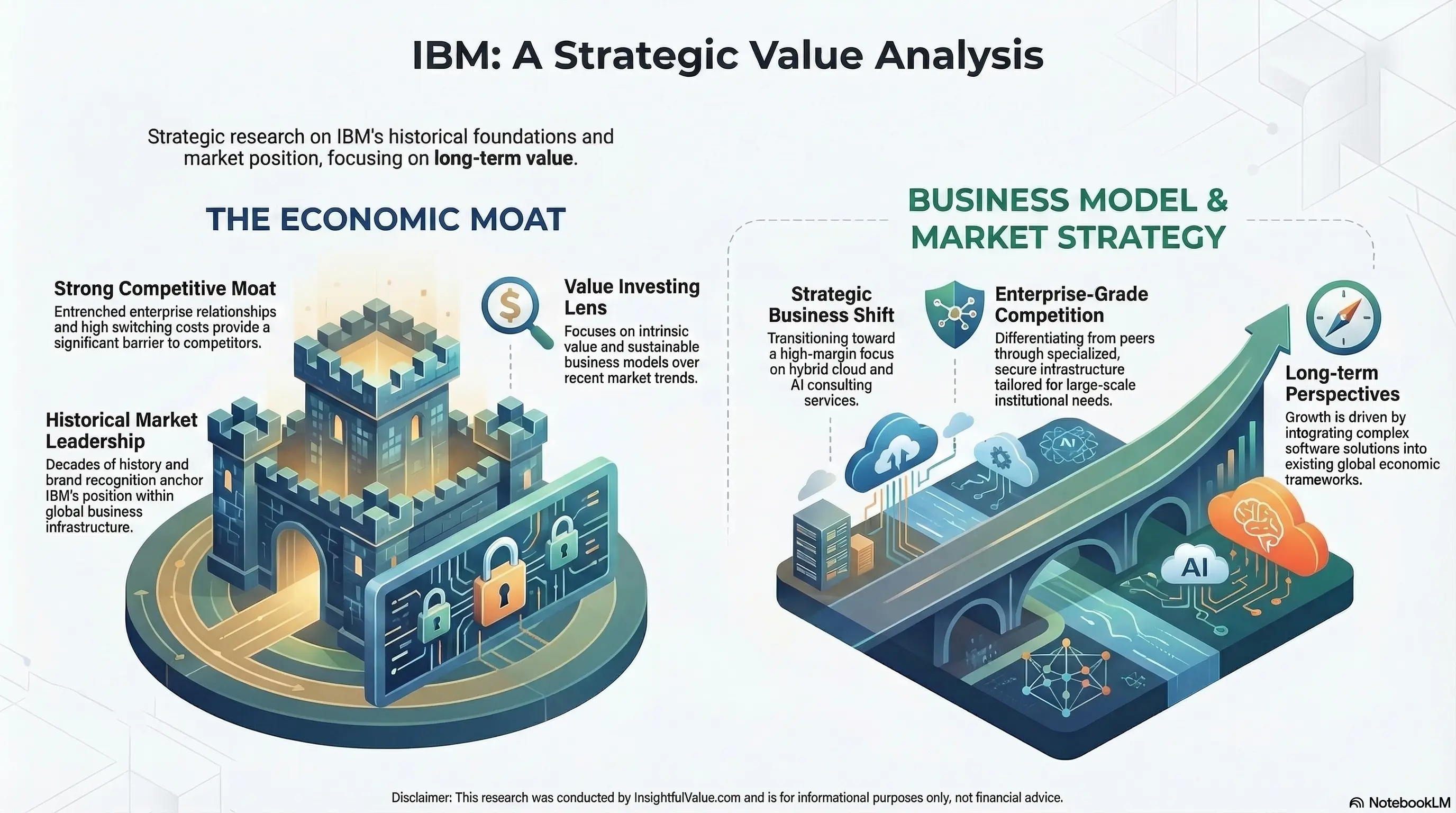
Company at a Glance
Price
Infographic
Overview
IBM (International Business Machines) is an American multinational technology company that manufactures and sells computer hardware, middleware, and software, as well as providing hosting and consulting services in areas ranging from mainframe computers to nanotechnology. It was founded in 1911 by Charles Ranlett Flint as the Computing-Tabulating-Recording Company (CTR) and was later renamed IBM in 1924.
Today, IBM is headquartered in Armonk, New York and operates in over 170 countries. It employs over 350,000 people worldwide and is one of the world's largest employers. IBM has a diverse product portfolio that includes mainframe computers, servers, storage systems, software, and services such as cloud computing, cognitive computing, and artificial intelligence.
As one of the oldest and most storied technology companies, IBM has played a key role in the development of modern computing. It is credited with inventing technologies such as the disk drive, the magnetic stripe card, the relational database, and the Personal Computer (PC). IBM has also made significant contributions to the advancement of artificial intelligence and quantum computing.
Over the years, IBM has faced challenges and reinvented itself in response to changing market demands. In recent years, the company has shifted its focus towards cloud computing, data analytics, and artificial intelligence while also investing in emerging technologies such as blockchain and quantum computing.
IBM is also known for its commitment to corporate social responsibility and sustainability, with initiatives focused on education, environmental conservation, and community development. The company has also been recognized for its inclusive workplace policies and diversity programs.
Today, IBM remains one of the leading technology companies in the world, continuously innovating and adapting to meet the needs of the ever-evolving digital landscape.
How to explain to a 10 year old kid about the company?

📈 Want to read more about IBM?
Sign up for free
or
log in
📥 Get our free eBook now: "The Checklist Value Investor — A Smarter Way to Pick Stocks"
U3VyZSEgPG JyPklCTSwg d2hpY2ggc3 RhbmRzIGZv ciBJbnRlcm 5hdGlvbmFs IEJ1c2luZX NzIE1hY2hp bmVzLCBpcy BhIGJpZyBj b21wYW55IH RoYXQgd29y a3Mgd2l0aC Bjb21wdXRl cnMgYW5kIH RlY2hub2xv Z3kuIEltYW dpbmUgSUJN IGFzIGEgdG 9vbCBtYWtl ciB0aGF0IG hlbHBzIG90 aGVyIGJ1c2 luZXNzZXMg YnVpbGQgdG hlaXIgb3du IHRvb2xzIG FuZCBzb2x1 dGlvbnMgdX NpbmcgdGVj aG5vbG9neS 4gVGhleSBj cmVhdGUgYW 5kIHNlbGwg Y29tcHV0ZX JzLCBzb2Z0 d2FyZSAocH JvZ3JhbXMg dGhhdCBoZW xwIGNvbXB1 dGVycyBkby BzcGVjaWZp YyB0YXNrcy ksIGFuZCBz ZXJ2aWNlcy B0aGF0IGhl bHAgY29tcG FuaWVzIHJ1 biBiZXR0ZX IgYW5kIHNv bHZlIHByb2 JsZW1zLjxi cj5JQk0gbW FrZXMgbW9u ZXkgaW4gc2 V2ZXJhbCB3 YXlzLiBGaX JzdCwgdGhl eSBzZWxsIH RoZWlyIGNv bXB1dGVycy BhbmQgc29m dHdhcmUgdG 8gYnVzaW5l c3Nlcy4gU2 Vjb25kLCB0 aGV5IG9mZm VyIHNlcnZp Y2VzLCBsaW tlIGhlbHBp bmcgY29tcG FuaWVzIHNl dCB1cCB0aG VpciBjb21w dXRlciBzeX N0ZW1zIG9y IGdpdmluZy BhZHZpY2Ug b24gaG93IH RvIHVzZSB0 ZWNobm9sb2 d5IG1vcmUg ZWZmZWN0aX ZlbHkuIExh c3RseSwgdG hleSBjcmVh dGUgc3BlY2 lhbCB0ZWNo bm9sb2d5IG xpa2UgYXJ0 aWZpY2lhbC BpbnRlbGxp Z2VuY2UgKE FJKSwgd2hp Y2ggaGVscH MgY29tcHV0 ZXJzIGxlYX JuIGFuZCB0 aGluayBpbi BzbWFydGVy IHdheXMuIE NvbXBhbmll cyBwYXkgSU JNIGZvciB0 aGVzZSBwcm 9kdWN0cyBh bmQgc2Vydm ljZXMuPGJy PklCTSBoYX MgYmVlbiBz dWNjZXNzZn VsIGZvciBh IGxvbmcgdG ltZSBiZWNh dXNlIHRoZX kgYXJlIGFs d2F5cyBhZG FwdGluZyB0 byBuZXcgaW RlYXMgYW5k IHRlY2hub2 xvZ2llcy4g VGhleSBpbn Zlc3QgaW4g cmVzZWFyY2 ggYW5kIGRl dmVsb3BtZW 50IHRvIGNy ZWF0ZSBuZX cgcHJvZHVj dHMgdGhhdC BoZWxwIGJ1 c2luZXNzZX MgZ3Jvdy4g VGhleSBhbH NvIHdvcmsg d2l0aCBjdX N0b21lcnMg dG8gdW5kZX JzdGFuZCB0 aGVpciBuZW VkcyBhbmQg cHJvdmlkZS Bzb2x1dGlv bnMgdGhhdC ByZWFsbHkg aGVscCB0aG VtIG91dC48 YnI+TWFueS BiZWxpZXZl IElCTSB3aW xsIGNvbnRp bnVlIHRvIG JlIHN1Y2Nl c3NmdWwgaW 4gdGhlIGZ1 dHVyZSBiZW NhdXNlIHRo ZXkgYXJlIG ZvY3VzaW5n IG9uIGltcG 9ydGFudCB0 aGluZ3MgbG lrZSBjbG91 ZCBjb21wdX RpbmcgKHdo ZXJlIGRhdG EgYW5kIHBy b2dyYW1zIG FyZSBzdG9y ZWQgb25saW 5lIGluc3Rl YWQgb2Ygb2 4gcGVyc29u YWwgY29tcH V0ZXJzKSBh bmQgQUkuIE FzIG1vcmUg YnVzaW5lc3 NlcyBuZWVk IHRoZXNlIG tpbmRzIG9m IHRlY2hub2 xvZ2llcywg SUJNIGlzIH dlbGwtcHJl cGFyZWQgdG 8gcHJvdmlk ZSB0aGVtLi BUaGVpciBl eHBlcmllbm NlLCBrbm93 bGVkZ2UsIG FuZCBhYmls aXR5IHRvIG NoYW5nZSB3 aXRoIHRoZS B0aW1lcyBo ZWxwIHRoZW 0gc3RheSBz dHJvbmcgaW 4gdGhlIHRl Y2hub2xvZ3 kgbWFya2V0 LiA8YnI+U2 8sIElCTSBp cyBsaWtlIG Egc21hcnQg aGVscGVyIG ZvciBidXNp bmVzc2VzLC BhbmQgYmVj YXVzZSB0aG V5IGtlZXAg Y29taW5nIH VwIHdpdGgg bmV3IGlkZW FzIGFuZCBz b2x1dGlvbn MsIHRoZXkg YXJlIGxpa2 VseSB0byBz dGF5IHN1Y2 Nlc3NmdWwg Zm9yIG1hbn kgeWVhcnMg dG8gY29tZS E8YnI+
What is special about the company?
📈 Want to read more about IBM?
Sign up for free
or
log in
🔓 Unlock our free guide: "The Checklist Value Investor — A Smarter Way to Pick Stocks"
VGhlcmUgYX JlIHNldmVy YWwgYXNwZW N0cyB0aGF0 IG1ha2UgSU JNIGEgdW5p cXVlIGFuZC BhZG1pcmVk IGNvbXBhbn k6PGJyPjEu IExvbmdldm l0eSBhbmQg aGlzdG9yeT ogSUJNIHdh cyBmb3VuZG VkIGluIDE5 MTEsIG1ha2 luZyBpdCBv bmUgb2YgdG hlIG9sZGVz dCB0ZWNobm 9sb2d5IGNv bXBhbmllcy BpbiB0aGUg d29ybGQuIE l0IGhhcyBz dXJ2aXZlZC BhbmQgdGhy aXZlZCB0aH JvdWdoIG1h am9yIHRlY2 hub2xvZ2lj YWwgcmV2b2 x1dGlvbnMg YW5kIGhhcy Bjb250aW51 YWxseSBhZG FwdGVkIGFu ZCBldm9sdm VkIGl0cyBi dXNpbmVzcy B0byBzdGF5 IHJlbGV2YW 50Ljxicj4y LiBJbm5vdm F0aW9uIGFu ZCB0ZWNobm 9sb2dpY2Fs IGFkdmFuY2 VtZW50czog SUJNIGhhcy BhIGxvbmcg aGlzdG9yeS BvZiBpbm5v dmF0aW9uLC Bmcm9tIGlu dmVudGluZy B0aGUgaGFy ZCBkaXNrIG RyaXZlIGFu ZCB0aGUgZm xvcHB5IGRp c2sgdG8gZG V2ZWxvcGlu ZyB0aGUgZm lyc3QgcGVy c29uYWwgY2 9tcHV0ZXIg YW5kIGNyZW F0aW5nIHRo ZSBmaXJzdC BhcnRpZmlj aWFsIGludG VsbGlnZW5j ZSBwcm9ncm FtLiBUaGUg Y29tcGFueS BhbHNvIGhv bGRzIHRoZS Btb3N0IHBh dGVudHMgaW 4gdGhlIFVu aXRlZCBTdG F0ZXMuPGJy PjMuIEZvY3 VzIG9uIHJl c2VhcmNoIG FuZCBkZXZl bG9wbWVudD ogSUJNIGlu dmVzdHMgaG VhdmlseSBp biByZXNlYX JjaCBhbmQg ZGV2ZWxvcG 1lbnQsIHdp dGggMTIgcm VzZWFyY2gg bGFib3JhdG 9yaWVzIHdv cmxkd2lkZS B0aGF0IGZv Y3VzIG9uIG RldmVsb3Bp bmcgY3V0dG luZy1lZGdl IHRlY2hub2 xvZ2llcywg c3VjaCBhcy BxdWFudHVt IGNvbXB1dG luZyBhbmQg YXJ0aWZpY2 lhbCBpbnRl bGxpZ2VuY2 UuPGJyPjQu IERpdmVyc2 UgcG9ydGZv bGlvIG9mIH Byb2R1Y3Rz IGFuZCBzZX J2aWNlczog SUJNIG9mZm VycyBhIGNv bXByZWhlbn NpdmUgcmFu Z2Ugb2YgcH JvZHVjdHMg YW5kIHNlcn ZpY2VzLCBp bmNsdWRpbm cgaGFyZHdh cmUsIHNvZn R3YXJlLCBj bG91ZCBjb2 1wdXRpbmcs IGNvbnN1bH RpbmcsIGFu ZCBJVCBzZX J2aWNlcy4g VGhpcyBlbm FibGVzIHRo ZSBjb21wYW 55IHRvIG1l ZXQgdGhlIG RpdmVyc2Ug bmVlZHMgb2 YgaXRzIGN1 c3RvbWVycy BhbmQgc3Rh eSBjb21wZX RpdGl2ZSBp biB0aGUgcm FwaWRseSBj aGFuZ2luZy B0ZWNoIGlu ZHVzdHJ5Lj xicj41LiBT dHJvbmcgY3 VsdHVyYWwg dmFsdWVzOi BJQk0gaGFz IGEgc3Ryb2 5nIGNvcnBv cmF0ZSBjdW x0dXJlIHRo YXQgdmFsdW VzIGlubm92 YXRpb24sIG NvbGxhYm9y YXRpb24sIG FuZCBkaXZl cnNpdHkuIF RoZSBjb21w YW55IGhhcy BiZWVuIHJl Y29nbml6ZW QgZm9yIGl0 cyBjb21taX RtZW50IHRv IGRpdmVyc2 l0eSBhbmQg aGFzIGJlZW 4gbmFtZWQg b25lIG9mIH RoZSB3b3Js ZCdzIG1vc3 QgZXRoaWNh bCBjb21wYW 5pZXMgZm9y IHNldmVyYW wgeWVhcnMg aW4gYSByb3 cuPGJyPjYu IEdsb2JhbC BwcmVzZW5j ZTogV2l0aC BvcGVyYXRp b25zIGluIG 92ZXIgMTcw IGNvdW50cm llcywgSUJN IGhhcyBhIH N0cm9uZyBn bG9iYWwgcH Jlc2VuY2Ug YW5kIHNlcn ZlcyBjbGll bnRzIGZyb2 0gdmFyaW91 cyBpbmR1c3 RyaWVzIGFu ZCBzZWN0b3 JzLiBUaGlz IGFsbG93cy B0aGUgY29t cGFueSB0by BhY2Nlc3Mg ZGl2ZXJzZS B0YWxlbnQs IG1hcmtldH MsIGFuZCBy ZXNvdXJjZX MuPGJyPjcu IENvbW1pdG 1lbnQgdG8g c29jaWFsIH Jlc3BvbnNp YmlsaXR5Oi BJQk0gaGFz IGEgc3Ryb2 5nIGNvbW1p dG1lbnQgdG 8gc29jaWFs IHJlc3Bvbn NpYmlsaXR5 IGFuZCBzdX N0YWluYWJp bGl0eSwgd2 l0aCBpbml0 aWF0aXZlcy Bmb2N1c2Vk IG9uIGVudm lyb25tZW50 YWwgc3VzdG FpbmFiaWxp dHksIHZvbH VudGVlcmlu ZywgYW5kIG NvbW11bml0 eSBlbmdhZ2 VtZW50LiBU aGUgY29tcG FueSBoYXMg YWxzbyBiZW VuIGEgbGVh ZGVyIGluIH Byb21vdGlu ZyBldGhpY2 FsIGJ1c2lu ZXNzIHByYW N0aWNlcyBh bmQgcmVzcG 9uc2libGUg ZGF0YSBtYW 5hZ2VtZW50 Lg==
What the company's business model?
📈 Want to read more about IBM?
Sign up for free
or
log in
📚 Your free copy of "The Checklist Value Investor — A Smarter Way to Pick Stocks" is waiting
SUJNJ3MgYn VzaW5lc3Mg bW9kZWwgY2 FuIGJlIGRl c2NyaWJlZC BhcyBhIGh5 YnJpZCBvZi BoYXJkd2Fy ZSwgc29mdH dhcmUsIGFu ZCBzZXJ2aW Nlcy4gVGhl eSBvZmZlci BhIGRpdmVy c2UgcmFuZ2 Ugb2YgcHJv ZHVjdHMgYW 5kIHNlcnZp Y2VzIGluIH RoZSB0ZWNo bm9sb2d5IG luZHVzdHJ5 LCBpbmNsdW RpbmcgY2xv dWQgY29tcH V0aW5nLCBh cnRpZmljaW FsIGludGVs bGlnZW5jZS wgZGF0YSBh bmFseXRpY3 MsIGN5YmVy c2VjdXJpdH ksIGFuZCBt b3JlLjxicj 5JQk0ncyBi dXNpbmVzcy Btb2RlbCBp cyBwcmltYX JpbHkgYmFz ZWQgb24gc2 VsbGluZyB0 aGVpciBoYX Jkd2FyZSBh bmQgc29mdH dhcmUgcHJv ZHVjdHMsIH N1Y2ggYXMg c2VydmVycy wgc3RvcmFn ZSBkZXZpY2 VzLCBhbmQg c29mdHdhcm UgYXBwbGlj YXRpb25zLC B0byBidXNp bmVzc2VzIG FuZCBnb3Zl cm5tZW50cy 4gVGhleSBh bHNvIHByb3 ZpZGUgY29u c3VsdGluZy BzZXJ2aWNl cyB0byBoZW xwIHRoZWly IGNsaWVudH MgaW1wbGVt ZW50IGFuZC BpbnRlZ3Jh dGUgdGhlc2 UgcHJvZHVj dHMgaW50by B0aGVpciBv cGVyYXRpb2 5zLjxicj5J biByZWNlbn QgeWVhcnMs IElCTSBoYX Mgc2hpZnRl ZCB0b3dhcm RzIGEgZm9j dXMgb24gY2 xvdWQgY29t cHV0aW5nIG FuZCBzZXJ2 aWNlcywgb2 ZmZXJpbmcg Y29tcGFuaW VzIHRoZSBh YmlsaXR5IH RvIGFjY2Vz cyB0aGVpci Bzb2Z0d2Fy ZSBhbmQgc2 VydmljZXMg cmVtb3RlbH kgdGhyb3Vn aCB0aGUgaW 50ZXJuZXQu IFRoaXMgbW 9kZWwgYWxs b3dzIGZvci BhIG1vcmUg ZmxleGlibG UgYW5kIHNj YWxhYmxlIG FwcHJvYWNo LCBhcyB3ZW xsIGFzIGEg c3RlYWR5IH N0cmVhbSBv ZiByZWN1cn JpbmcgcmV2 ZW51ZSB0aH JvdWdoIHN1 YnNjcmlwdG lvbi1iYXNl ZCBzZXJ2aW Nlcy48YnI+ QWRkaXRpb2 5hbGx5LCBJ Qk0gaGFzIG Egc3Ryb25n IHJlc2Vhcm NoIGFuZCBk ZXZlbG9wbW VudCBhcm0s IGludmVzdG luZyBoZWF2 aWx5IGluIG VtZXJnaW5n IHRlY2hub2 xvZ2llcyBh bmQgaW5ub3 ZhdGlvbnMu IFRoZXkgYW xzbyBoYXZl IGEgcGF0ZW 50IGxpY2Vu c2luZyBkaX Zpc2lvbiwg d2hpY2ggZ2 VuZXJhdGVz IHJldmVudW UgYnkgbGlj ZW5zaW5nIH RoZWlyIHRl Y2hub2xvZ3 kgdG8gb3Ro ZXIgY29tcG FuaWVzLjxi cj5PdmVyYW xsLCBJQk0n cyBidXNpbm VzcyBtb2Rl bCByZXZvbH ZlcyBhcm91 bmQgcHJvdm lkaW5nIGEg Y29tcHJlaG Vuc2l2ZSBz dWl0ZSBvZi B0ZWNobm9s b2d5IHByb2 R1Y3RzIGFu ZCBzZXJ2aW NlcyB0byBi dXNpbmVzc2 VzIGFuZCBv cmdhbml6YX Rpb25zLCB3 aXRoIGEgZm 9jdXMgb24g aW5ub3ZhdG lvbiBhbmQg Y29udGludW 91cyBpbXBy b3ZlbWVudC 4=
Is AI a threat?
AI does pose certain risks to IBM’s products, services, and competitive positioning, though the extent of these threats can vary based on how IBM leverages AI in its own offerings.
1. Substitution: The rise of AI could lead to the development of alternative products that perform similar functions more efficiently or at a lower cost. For instance, software tools powered by AI can automate tasks traditionally done by IBM’s offerings, such as data analytics, cloud computing, and enterprise solutions. If competitors successfully create AI solutions that substitute IBM’s core offerings, this could threaten their market share.
2. Disintermediation: AI enables businesses and consumers to interact directly with technology, potentially reducing the need for intermediaries or traditional enterprise solutions provided by companies like IBM. For example, AI-driven platforms allow users to perform analytics or manage workflows without relying on IBM’s existing software and services, which could disrupt IBM’s traditional business model.
3. Margin Pressure: As AI technology evolves, it often lowers the barrier to entry for new players in the tech landscape, resulting in increased competition. This can lead to price pressures on IBM’s products and services as they face competition from more affordable, AI-driven solutions. If IBM cannot maintain differentiation in quality or functionality, it may be forced to lower prices, impacting profit margins.
Despite these threats, IBM is actively integrating AI into its own product range, such as Watson and its cloud services, which helps mitigate some of the risks. The key for IBM will be to continue innovating and effectively positioning its AI capabilities to ensure relevance and competitiveness in the market.
Sensitivity to interest rates
The sensitivity of IBM’s earnings, cash flow, and valuation to changes in interest rates can be analyzed through several dimensions:
1. Earnings Sensitivity: Interest rates can affect IBM’s earnings primarily through the cost of borrowing. As interest rates rise, the cost of servicing existing debt increases, which can compress profit margins and reduce net income. Conversely, lower interest rates can lead to a lower cost of debt and potentially increase earnings by freeing up cash for reinvestment or dividends.
2. Cash Flow Sensitivity: Cash flows are influenced by interest rates in several ways. Higher interest rates can lead to increased financing costs, potentially reducing operating cash flow if the company has significant debt. Additionally, consumer demand for technology products may wane as borrowing costs for clients increase, leading to weaker sales and, consequently, reduced cash flow. On the other hand, lower rates may enhance cash flows through increased consumer spending and investment.
3. Valuation Sensitivity: The valuation of IBM, like that of most companies, is affected by discount rates used in present value calculations of future cash flows. A higher interest rate translates to a higher discount rate, which reduces the present value of future cash flows, leading to a lower valuation. Conversely, lower interest rates typically result in a higher present value for future cash flows, potentially increasing the company’s market valuation. Additionally, perceptions about risk can shift based on interest rate environments, which can further affect valuation multiples.
In summary, IBM’s earnings, cash flow, and valuation are interlinked and sensitive to changes in interest rates, largely influenced by borrowing costs, consumer demand, and investment considerations. The overall impact can vary based on the broader economic context and company’s debt levels.
Resilience to the future changes
📈 Want to read more about IBM?
Sign up for free
or
log in
✍️ Sign up to get "The Checklist Value Investor — A Smarter Way to Pick Stocks" for free
T25lIHJlYW xpc3RpYyBz Y2VuYXJpby B0aGF0IGNv dWxkIHBlcm 1hbmVudGx5 IGltcGFpci BJQk3igJlz IGVjb25vbW ljcyBvdmVy IHRoZSBuZX h0IDMtNSB5 ZWFycyBpcy BhIHNpZ25p ZmljYW50IH RlY2hub2xv Z2ljYWwgZG lzcnVwdGlv biBpbiBjbG 91ZCBjb21w dXRpbmcgYW 5kIGFydGlm aWNpYWwgaW 50ZWxsaWdl bmNlIHRoYX QgZmF2b3Jz IGNvbXBldG l0b3JzIHdo aWxlIGNhdX NpbmcgSUJN IHRvIGxhZy BiZWhpbmQu IElmIGEgbm V3LCBoaWdo bHkgaW5ub3 ZhdGl2ZSBw bGF0Zm9ybS BvciBzZXJ2 aWNlIGVtZX JnZXMgdGhh dCBlZmZlY3 RpdmVseSBv dXRwZXJmb3 JtcyBJQk3i gJlzIGN1cn JlbnQgb2Zm ZXJpbmdzIG luIGJvdGgg Y2xvdWQgYW 5kIEFJIHNv bHV0aW9ucy wgaXQgY291 bGQgbGVhZC B0byBhIHN1 YnN0YW50aW FsIGxvc3Mg b2YgbWFya2 V0IHNoYXJl Ljxicj5Jbi B0aGlzIHNj ZW5hcmlvLC BJQk0gY291 bGQgc2VlIG l0cyBtYXJn aW5zIGRlY2 xpbmUgYXMg aXQgd291bG QgYmUgZm9y Y2VkIHRvIH JlZHVjZSBw cmljZXMgdG 8gcmVtYWlu IGNvbXBldG l0aXZlLCB0 aGVyZWJ5IH NxdWVlemlu ZyBwcm9maX RhYmlsaXR5 LiBBcyBjb2 1wZXRpdG9y cyBsaWtlIE FtYXpvbiBX ZWIgU2Vydm ljZXMgb3Ig TWljcm9zb2 Z0IEF6dXJl IGNhcHR1cm UgYSBsYXJn ZXIgcG9ydG lvbiBvZiB0 aGUgbWFya2 V0LCBJQk3i gJlzIHJldm VudWUgY291 bGQgc3RhZ2 5hdGUgb3Ig ZXZlbiBkZW NsaW5lLiBU aGlzIHdvdW xkIGxlYWQg dG8gcmVkdW NlZCBjYXNo IGZsb3csIG FzIGxvd2Vy IHJldmVudW VzIHdvdWxk IGxpbWl0IH RoZSBjb21w YW554oCZcy BhYmlsaXR5 IHRvIHJlaW 52ZXN0IGlu IGdyb3d0aC Bpbml0aWF0 aXZlcyBvci BwYXkgZGl2 aWRlbmRzIH RvIHNoYXJl aG9sZGVycy 48YnI+VGhl IGJhbGFuY2 Ugc2hlZXQg d291bGQgYW xzbyByZWZs ZWN0IHRoZS BpbXBhY3Qg b2YgdGhpcy BzY2VuYXJp by4gSW5jcm Vhc2VkIHBy ZXNzdXJlIG 9uIGNhc2gg ZmxvdyBjb3 VsZCBsZWFk IHRvIHJlZH VjZWQgY2Fw aXRhbCBleH BlbmRpdHVy ZXMsIGxpbW l0aW5nIElC TeKAmXMgaW 5ub3ZhdGlv biBjYXBhYm lsaXRpZXMu IEFkZGl0aW 9uYWxseSwg aWYgdGhlIG NvbXBhbnkg d2VyZSB0by BpbmN1ciBz aWduaWZpY2 FudCByZXN0 cnVjdHVyaW 5nIGNvc3Rz IG9yIHdyaX RlLW9mZnMg cmVsYXRlZC B0byB1bnN1 Y2Nlc3NmdW wgcHJvZHVj dCBsaW5lcy BvciBhY3F1 aXNpdGlvbn MsIGl0IHdv dWxkIG5lZ2 F0aXZlbHkg aW1wYWN0IG 5ldCBpbmNv bWUgYW5kIH NoYXJlaG9s ZGVyc+KAmS BlcXVpdHku IFRoZSBjb2 1wYW55IG1p Z2h0IGFsc2 8gZmFjZSBp bmNyZWFzZW QgZGVidCBs ZXZlbHMgaW YgaXQgcmVz b3J0cyB0by Bib3Jyb3dp bmcgaW4gYW 4gYXR0ZW1w dCB0byBtYW ludGFpbiBs aXF1aWRpdH kgYW5kIGZ1 bmQgb3Blcm F0aW9ucywg cG90ZW50aW FsbHkgbGVh ZGluZyB0by BhIGhpZ2hl ciBkZWJ0LX RvLWVxdWl0 eSByYXRpby BhbmQgYWZm ZWN0aW5nIG l0cyBjcmVk aXQgcmF0aW 5ncy48YnI+ SW4gc3VtbW FyeSwgaWYg SUJNIGZhaW xzIHRvIGFk YXB0IHRvIH JhcGlkIGFk dmFuY2VtZW 50cyBhbmQg dGhlIGNoYW 5naW5nIGNv bXBldGl0aX ZlIGxhbmRz Y2FwZSwgaX QgY291bGQg c2VlIGxvd2 VyZWQgbWFy Z2lucyBkdW UgdG8gcHJp Y2UgY29tcG V0aXRpb24s IHJlZHVjZW QgY2FzaCBm bG93IGFzIH JldmVudWUg ZGVjbGluZX MsIGFuZCBh IHdlYWtlbm VkIGJhbGFu Y2Ugc2hlZX QgZnJvbSBp bmNyZWFzZW QgZGVidCBh bmQgbG93ZX IgZXF1aXR5 LCB1bHRpbW F0ZWx5IGlt cGFpcmluZy BpdHMgbG9u Zy10ZXJtIG Vjb25vbWlj IHZpYWJpbG l0eS48YnI+
Interesting facts about the company
📈 Want to read more about IBM?
Sign up for free
or
log in
✍️ Sign up to get "The Checklist Value Investor — A Smarter Way to Pick Stocks" for free
CiAgICAgIC AgICAgIDxk aXYgc3R5bG U9J3dpZHRo OiAxMDAlOy BkaXNwbGF5 OiBmbGV4Oy BqdXN0aWZ5 LWNvbnRlbn Q6IGNlbnRl cjsnPgogIC AgICAgICAg ICAgICAgPG RpdiBzdHls ZT0nCiAgIC AgICAgICAg ICAgICAgIC AgZGlzcGxh eTogZmxleD sKICAgICAg ICAgICAgIC AgICAgICBh bGlnbi1pdG VtczogY2Vu dGVyOwogIC AgICAgICAg ICAgICAgIC AgIGJhY2tn cm91bmQtY2 9sb3I6ICNm MGY0Zjg7Ci AgICAgICAg ICAgICAgIC AgICAgYm9y ZGVyOiAxcH ggc29saWQg I2QxZTNmMD sKICAgICAg ICAgICAgIC AgICAgICBi b3JkZXItcm FkaXVzOiAx MHB4OwogIC AgICAgICAg ICAgICAgIC AgIHBhZGRp bmc6IDEwcH g7CiAgICAg ICAgICAgIC AgICAgICAg bWFyZ2luOi AyMHB4IDA7 CiAgICAgIC AgICAgICAg ICAgICAgZm 9udC1mYW1p bHk6ICJTZW dvZSBVSSIs IFJvYm90by wgc2Fucy1z ZXJpZjsKIC AgICAgICAg ICAgICAgIC AgICBib3gt c2hhZG93Oi AwIDJweCA2 cHggcmdiYS gwLCAwLCAw LCAwLjA1KT sKICAgICAg ICAgICAgIC AgICAgICBt YXgtd2lkdG g6IDkwMHB4 OwogICAgIC AgICAgICAg ICAgICAgIH dpZHRoOiAx MDAlOyc+Cg ogICAgICAg ICAgICAgIC AgICAgIDxp bWcgc3JjPS Jhc3NldHMv bG9nb3MvV0 Z2U1BaQUUy QVAzMTI1N1 VnQkMud2Vi cCIgYWx0PS JJQk0iIHRp dGxlPSJJQk 0iICBjbGFz cz0iaW1nLW ZsdWlkIiBo ZWlnaHQ9NT Agd2lkdGg9 NTAgbG9hZG luZz0nbGF6 eScgc3R5bG U9J2JvcmRl ci1yYWRpdX M6IDZweDsn PgoKICAgIC AgICAgICAg ICAgICAgIC A8ZGl2IHN0 eWxlPSdmbG V4OiAxOyB0 ZXh0LWFsaW duOiBjZW50 ZXI7IG1hcm dpbi1sZWZ0 OiA1cHg7Jz 4KICAgICAg ICAgICAgIC AgICAgICAg ICAgPHAgc3 R5bGU9J2Zv bnQtc2l6ZT ogMjZweDsg Y29sb3I6IC MzMzM7IG1h cmdpbi1ib3 R0b206IDE1 cHg7Jz4KIC AgICAgICAg ICAgICAgIC AgICAgICAg ICAgIPCfk4 ggV2FudCB0 byByZWFkIG 1vcmUgYWJv dXQgSUJNPw ogICAgICAg ICAgICAgIC AgICAgICAg ICA8L3A+Cg ogICAgICAg ICAgICAgIC AgICAgICAg ICA8YSBocm VmPSdpbmRl eC5waHA/cG FnZT1zaWdu dXAnIHN0eW xlPScKICAg ICAgICAgIC AgICAgICAg ICAgICAgIC AgIGJhY2tn cm91bmQtY2 9sb3I6ICMw MDdCRkY7Ci AgICAgICAg ICAgICAgIC AgICAgICAg ICAgICBjb2 xvcjogI2Zm ZjsKICAgIC AgICAgICAg ICAgICAgIC AgICAgICAg IHBhZGRpbm c6IDEwcHgg MjBweDsKIC AgICAgICAg ICAgICAgIC AgICAgICAg ICAgIGJvcm Rlci1yYWRp dXM6IDVweD sKICAgICAg ICAgICAgIC AgICAgICAg ICAgICAgIH RleHQtZGVj b3JhdGlvbj ogbm9uZTsK ICAgICAgIC AgICAgICAg ICAgICAgIC AgICAgIGZv bnQtd2VpZ2 h0OiBib2xk OwogICAgIC AgICAgICAg ICAgICAgIC AgICAgICAg bWFyZ2luLX JpZ2h0OiAx MHB4OwogIC AgICAgICAg ICAgICAgIC AgICAgICAg ICAgdHJhbn NpdGlvbjog YmFja2dyb3 VuZC1jb2xv ciAwLjNzIG Vhc2U7Jwog ICAgICAgIC AgICAgICAg ICAgICAgIC AgICAgb25t b3VzZW92ZX I9J3RoaXMu c3R5bGUuYm Fja2dyb3Vu ZENvbG9yPS IjMDA1NmIz IicKICAgIC AgICAgICAg ICAgICAgIC AgICAgICAg IG9ubW91c2 VvdXQ9J3Ro aXMuc3R5bG UuYmFja2dy b3VuZENvbG 9yPSIjMDA3 QkZGIic+Ci AgICAgICAg ICAgICAgIC AgICAgICAg ICAgICBTaW duIHVwIGZv ciBmcmVlCi AgICAgICAg ICAgICAgIC AgICAgICAg IDwvYT4KCi AgICAgICAg ICAgICAgIC AgICAgICAg IDxzcGFuIH N0eWxlPSdt YXJnaW46ID AgOHB4OyBj b2xvcjogIz U1NTsnPm9y PC9zcGFuPg oKICAgICAg ICAgICAgIC AgICAgICAg ICAgPGEgaH JlZj0naW5k ZXgucGhwP3 BhZ2U9bG9n aW4nIHN0eW xlPScKICAg ICAgICAgIC AgICAgICAg ICAgICAgIC AgIGNvbG9y OiAjMDA3Qk ZGOwogICAg ICAgICAgIC AgICAgICAg ICAgICAgIC AgdGV4dC1k ZWNvcmF0aW 9uOiB1bmRl cmxpbmU7Ci AgICAgICAg ICAgICAgIC AgICAgICAg ICAgICBmb2 50LXdlaWdo dDogNTAwOy c+CiAgICAg ICAgICAgIC AgICAgICAg ICAgICAgIC Bsb2cgaW4K ICAgICAgIC AgICAgICAg ICAgICAgIC AgPC9hPgoK CiAgICAgIC AgICAgICAg ICAgICAgIC AgIDxwIHN0 eWxlPSdtYX JnaW4tdG9w OiAxNXB4Oy Bmb250LXNp emU6IDEzcH g7IGZvbnQt d2VpZ2h0Oi Bib2xkOyBj b2xvcjogI2 QzMmYyZjsn PgogICAgIC AgICAgICAg ICAgICAgIC AgICAgICAg 8J+agCBEb2 7igJl0IG1p c3MgPGk+Il RoZSBDaGVj a2xpc3QgVm FsdWUgSW52 ZXN0b3Ig4o CUIEEgU21h cnRlciBXYX kgdG8gUGlj ayBTdG9ja3 MiPC9pPiDi gJQgZnJlZS EKICAgICAg ICAgICAgIC AgICAgICAg ICAgPC9wPg oKICAgICAg ICAgICAgIC AgICAgICAg ICAgPCEtLQ ogICAgICAg ICAgICAgIC AgICAgICAg ICA8ZGl2IH N0eWxlPSdt YXJnaW4tdG 9wOiAxMnB4 OyBmb250LX NpemU6IDEz cHg7IGNvbG 9yOiAjNDQ0 Oyc+CiAgIC AgICAgICAg ICAgICAgIC AgICAgICAg ICBTaWduIH VwIG5vdyBh bmQgZ2V0IG 91ciBmcmVl IGVCb29rIA ogICAgICAg ICAgICAgIC AgICAgICAg ICAgICAgPG I+VGhlIENo ZWNrbGlzdC BWYWx1ZSBJ bnZlc3Rvci DigJQgQSBT bWFydGVyIF dheSB0byBQ aWNrIFN0b2 NrczwvYj4K ICAgICAgIC AgICAgICAg ICAgICAgIC AgPC9kaXY+ CiAgICAgIC AgICAgICAg ICAgICAgIC AgIC0tPgog ICAgICAgIC AgICAgICAg ICAgICAgIC A8IS0tCiAg ICAgICAgIC AgICAgICAg ICAgICAgID xkaXYgc3R5 bGU9J21hcm dpbi10b3A6 IDE2cHg7IG ZvbnQtc2l6 ZTogMTRweD sgY29sb3I6 ICM0NDQ7IG ZvbnQtZmFt aWx5OiAtYX BwbGUtc3lz dGVtLCBCbG lua01hY1N5 c3RlbUZvbn QsIFNlZ29l IFVJLCBSb2 JvdG8sIEhl bHZldGljYS BOZXVlLCBz YW5zLXNlcm lmOyBsaW5l LWhlaWdodD ogMS42Oyc+ CiAgICAgIC AgICAgICAg ICAgICAgIC AgICAgICBI YXZlIHlvdS BoZWFyZCBh Ym91dCBvdX Igc2hvcnQg PHN0cm9uZy BzdHlsZT0n Zm9udC13ZW lnaHQ6IDYw MDsnPkRhaW x5IFZpZGVv IE5ld3NsZX R0ZXI8L3N0 cm9uZz4/Ci AgICAgICAg ICAgICAgIC AgICAgICAg ICAgICA8YS BocmVmPSdo dHRwczovL3 d3dy5pbnNp Z2h0ZnVsdm FsdWUuY29t L25ld3NsZX R0ZXIucGhw JyB0YXJnZX Q9J19ibGFu aycgc3R5bG U9J2NvbG9y OiAjMDA3Qk ZGOyB0ZXh0 LWRlY29yYX Rpb246IG5v bmU7IGZvbn Qtd2VpZ2h0 OiA1MDA7IG 1hcmdpbi1s ZWZ0OiA2cH g7Jz4KICAg ICAgICAgIC AgICAgICAg ICAgICAgIC AgICAgICBG aW5kIG91dC Btb3JlCiAg ICAgICAgIC AgICAgICAg ICAgICAgIC AgICA8L2E+ CiAgICAgIC AgICAgICAg ICAgICAgIC AgIDwvZGl2 PgogICAgIC AgICAgICAg ICAgICAgIC AgICAtLT4K ICAgICAgIC AgICAgICAg ICAgICA8L2 Rpdj4KICAg ICAgICAgIC AgICAgIDwv ZGl2PgogIC AgICAgICAg ICA8L2Rpdj 4KICAgICAg ICAgICAgCi AgICAgICAg CiAgICAgIC AgPHNwYW4g Y2xhc3M9J2 JsdXJyZWQt dGV4dCc+Ci AgICAgICAg ICAgIFNVSk 5MQ0J2Y2kg QkpiblJsY2 01aCBkR2x2 Ym1Gc0lFIE oxYzJsdVpY TnogSUUxaF kyaHBibSBW eklFTnZjbk J2IGNtRjBh Vzl1TEMgQn BjeUJ2Ym1V ZyBiMllnZE dobElIIGR2 Y214azRvQ1 ogY3lCdmJH UmxjMyBRZ1 lXNWtJRzF2 IGMzUWdhVz V1YjMgWmhk R2wyWlNCai BiMjF3WVc1 cFpYIE11SU VobGNtVWcg WVhKbElITn ZiVyBVZ2FX NTBaWEpsIG MzUnBibWNn Wm0gRmpkSE 1nWVdKdiBk WFFnU1VKTk 9qIHhpY2o0 eExpQkcgYj NWdVpHVmtJ RyBsdUlERT VNVEU2IElF bENUZUtBbV ggTWdjbTl2 ZEhNZyBkSE poWTJVZ1lt IEZqYXlCMG J5QjAgYUdV Z1ptOXliVy BGMGFXOXVJ RzltIElIUm 9aU0JDZFcg NWtlU0JOWV c1MSBabUZq ZEhWeWFXID VuSUVOdmJY QmggYm5rc0 lIZG9hVyBO b0lHeGhkR1 Z5IElHMWxj bWRsWkMgQj NhWFJvSUhO bCBkbVZ5WV d3Z2IzIFJv WlhJZ1kyOX QgY0dGdWFX VnpJSCBSdk lHSmxZMjl0 IFpTQkpibl JsY20gNWhk R2x2Ym1Gcy BJRUoxYzJs dVpYIE56SU UxaFkyaHAg Ym1WeklHbH VJRCBFNU1q UXVQR0p5IF BqSXVJRWx1 Ym0gOTJZWF JwYjI1eiBP aUJKUWswZ2 FHIEZ6SUcx aFpHVWcgYz JsbmJtbG1h VyBOaGJuUW dZMjl1IGRI SnBZblYwYV cgOXVjeUIw YnlCMCBaV0 5vYm05c2Iy IGQ1TENCcG JtTnMgZFdS cGJtY2dkRy BobElHbHVk bVZ1IGRHbH ZiaUJ2Wmkg QjBhR1VnWm 14diBjSEI1 SUdScGMyIH NzSUhSb1pT Qm8gWVhKa0 lHUnBjMiBz Z1pISnBkbV VzIElHRnVa Q0IwYUcgVW djbVZzWVhS cCBiMjVoYk NCa1lYIFJo WW1GelpTND ggWW5JK015 NGdUVyBGcG JtWnlZVzFs IElFTnZiWE IxZEcgVnlj em9nU1VKTi BJR2x6SUhk bGJHIHd0YT I1dmQyNGcg Wm05eUlHbD BjeSBCdFlX bHVabkpoIG JXVWdZMjl0 Y0ggVjBaWE p6TENCMyBh R2xqYUNCb1 lYIFpsSUdK bFpXNGcgWV NCamNtbDBh VyBOaGJDQn dZWEowIElH OW1JSFJvWl MgQmpiMjF3 ZFhScCBibW NnYkdGdVpI IE5qWVhCbE lITnAgYm1O bElIUm9aUy BBeE9UVXdj eUJoIGJtUW dZMjl1ZEcg bHVkV1VnZE c4ZyBZbVVn ZFhObFpDIE JwYmlCc1lY Sm4gWlNCbG JuUmxjbiBC eWFYTmxjeU IwIGIyUmhl UzQ4WW4gSS tOQzRnVjJG MCBjMjl1T2 lCSlFrIDNp Z0pseklGZG ggZEhOdmJp QnBjeSBCaE lHWnNZV2R6 IGFHbHdJRU ZKSUggTjVj M1JsYlNCMC BhR0YwSUdk aGFXIDVsWk NCbVlXMWwg SUdadmNpQj NhVyA1dWFX NW5JSFJvIF pTQnhkV2w2 SUggTm9iM2 NnU21WdiBj R0Z5WkhraE lHIGx1SURJ d01URXMgSU hOb2IzZGpZ WCBOcGJtY2 dTVUpOIDRv Q1pjeUJoWk ggWmhibU5s YldWdSBkSE 1nYVc0Z1lY IEowYVdacF kybGggYkNC cGJuUmxiRy B4cFoyVnVZ MlVnIFlXNW tJRzVoZEgg VnlZV3dnYk dGdSBaM1Zo WjJVZ2NIIE p2WTJWemMy bHUgWnk0OF luSStOUyA0 Z1VHRjBaVz UwIGN6b2dT VUpOSUcgbH pJR052Ym5O cCBjM1JsYm 5Sc2VTIEJ2 Ym1VZ2IyWW cgZEdobElI UnZjQyBCam IyMXdZVzVw IFpYTWdhVz RnZEcgaGxJ SGR2Y214ay BJR1p2Y2lC d1lYIFJsYm 5RZ1ptbHMg YVc1bmN5NG dTWCBRZ2FH RnpJR2hsIG JHUWdkR2hs SUggSmxZMj l5WkNCbSBi M0lnZEdobE lHIDF2YzNR Z2NHRjAgWl c1MGN5Qm5j bSBGdWRHVm tJR2x1IElI Um9aU0JWYm 0gbDBaV1Fn VTNSaCBkR1 Z6SUdadmNp IEJ0WVc1NU lHTnYgYm5O bFkzVjBhWC BabElIbGxZ WEp6IExqeG ljajQyTGkg QlBjR1Z1SU ZOdiBkWEpq WlNCRGIyID UwY21saWRY UnAgYjI1ek 9pQkpRayAw Z2FHRnpJR0 psIFpXNGdZ U0J6YVcgZH VhV1pwWTJG dSBkQ0JqYj I1MGNtIGxp ZFhSdmNpQj AgYnlCdmNH VnpiMyBWeV kyVWdjSEp2 IGFtVmpkSE 1zSUcgbHVZ MngxWkdsdS BaeUJNYVc1 MWVDIHdnWV c1a0lHaGgg Y3lCd2JHRj VaVyBRZ1lT QjJhWFJoIG JDQnliMnhs SUcgbHVJSF JvWlNCayBa WFpsYkc5d2 JXIFZ1ZENC dlppQmogYk c5MVpDQmpi MiAxd2RYUn BibWNnIGRH VmphRzV2Yk cgOW5hV1Z6 TGp4aSBjaj QzTGlCRWFY IFpsY25ObE lFSjEgYzJs dVpYTnpJRS BGeVpXRnpP aUJKIFFrMG diM0JsY20g RjBaWE1nWV dOeSBiM056 SUhaaGNtIG x2ZFhNZ2My VmogZEc5eW N5d2dhVyA1 amJIVmthVz VuIElHTnNi M1ZrSUcgTn ZiWEIxZEds dSBaeXdnWV hKMGFXIFpw WTJsaGJDQn AgYm5SbGJH eHBaMiBWdV kyVXNJR2ho IGNtUjNZWE psTEMgQnpi MlowZDJGeS BaU3dnWVc1 a0lFIGxVSU hObGNuWnAg WTJWekxqeG ljaiA0NExp QkhiRzlpIF lXd2dWMjl5 YTIgWnZjbU 5sT2lCQiBk Q0JwZEhNZ2 NHIFZoYXl3 Z1NVSk4gSU dWdGNHeHZl VyBWa0lHOT JaWElnIE5E QXdMREF3TU MgQndaVzl3 YkdVZyBkMj l5YkdSM2FX IFJsTENCdF lXdHAgYm1j Z2FYUWdiMi A1bElHOW1J SFJvIFpTQn NZWEpuWlgg TjBJR1Z0Y0 d4diBlV1Z5 Y3lCcGJpIE IwYUdVZ2RH VmogYUc1dm JHOW5lUyBC elpXTjBiM0 l1IFBHSnlQ amt1SUUgZG xibVJsY2lC RiBjWFZwZE hrNklFIGxD VFNCb1lYTW cgWW1WbGJp QnlaVyBOdl oyNXBlbVZr IElHWnZjaU JwZEggTWda V1ptYjNKMC BjeUJwYmlC d2NtIDl0Yj NScGJtY2cg WjJWdVpHVn lJRyBWeGRX bDBlU0JoIG JtUWdaR2wy WlggSnphWF I1SUdsdSBJ SFJvWlNCM2 IzIEpyY0d4 aFkyVXMgSU dKbGFXNW5J RyA5dVpTQn ZaaUIwIGFH VWdabWx5Yz MgUWdiV0Zx YjNJZyBZMj l0Y0dGdWFX IFZ6SUhSdk lHbHUgWTJ4 MVpHVWdkMi A5dFpXNGdh VzRnIGJHVm haR1Z5YzIg aHBjQ0J5Yj J4bCBjeTQ4 WW5JK01UIE F1SUVOdmNu QnYgY21GMF pTQlRiMiBO cFlXd2dVbV Z6IGNHOXVj MmxpYVcgeH BkSGs2SUVs QyBUU0JvWV hNZ1lTIEJz YjI1bkxYTj AgWVc1a2FX NW5JRyBOdm JXMXBkRzFs IGJuUWdkRz hnWTIgOXlj Rzl5WVhSbC BJSE52WTJs aGJDIEJ5Wl hOd2IyNXog YVdKcGJHbD BlUyB3Z1pX NW5ZV2RwIG JtY2dhVzRn Ym4gVnRaWE p2ZFhNZyBh VzVwZEdsaG RHIGwyWlhN Z2NtVnMgWV hSbFpDQjBi eSBCbFpIVm pZWFJwIGIy NHNJR1Z1ZG 0gbHliMjV0 Wlc1MCBZV3 dnYzNWemRH IEZwYm1GaW FXeHAgZEhr c0lHRnVaQy BCamIyMXRk VzVwIGRIa2 djMlZ5ZG0g bGpaUzQ4WW 5JKyBWR2hs YzJVZ1ptIE ZqZEhNZ2FX eHMgZFhOMG NtRjBaUyBC SlFrM2lnSm x6IElHVjRk R1Z1YzIgbD JaU0JwYm1a cyBkV1Z1WT JVZ2IyIDRn ZEdobElIUm wgWTJnZ2FX NWtkWCBOMG Nua2dZVzVr IElHbDBjeU JqYjIgMXRh WFJ0Wlc1MC BJSFJ2SUds dWJtIDkyWV hScGIyNGcg WVc1a0lITn ZZMiBsaGJD QnlaWE53IG IyNXphV0pw YkcgbDBlUz Q4WW5JKwog ICAgICAgID wvc3Bhbj4K ICAgICAgIC AKICAgICAg ICA=
See Company Q&A
📊 Get full analytics about IBM
Sign up for free
or
log in
📥 Get our free eBook now: "The Checklist Value Investor — A Smarter Way to Pick Stocks"