Company at a Glance
Price
Infographic
Overview
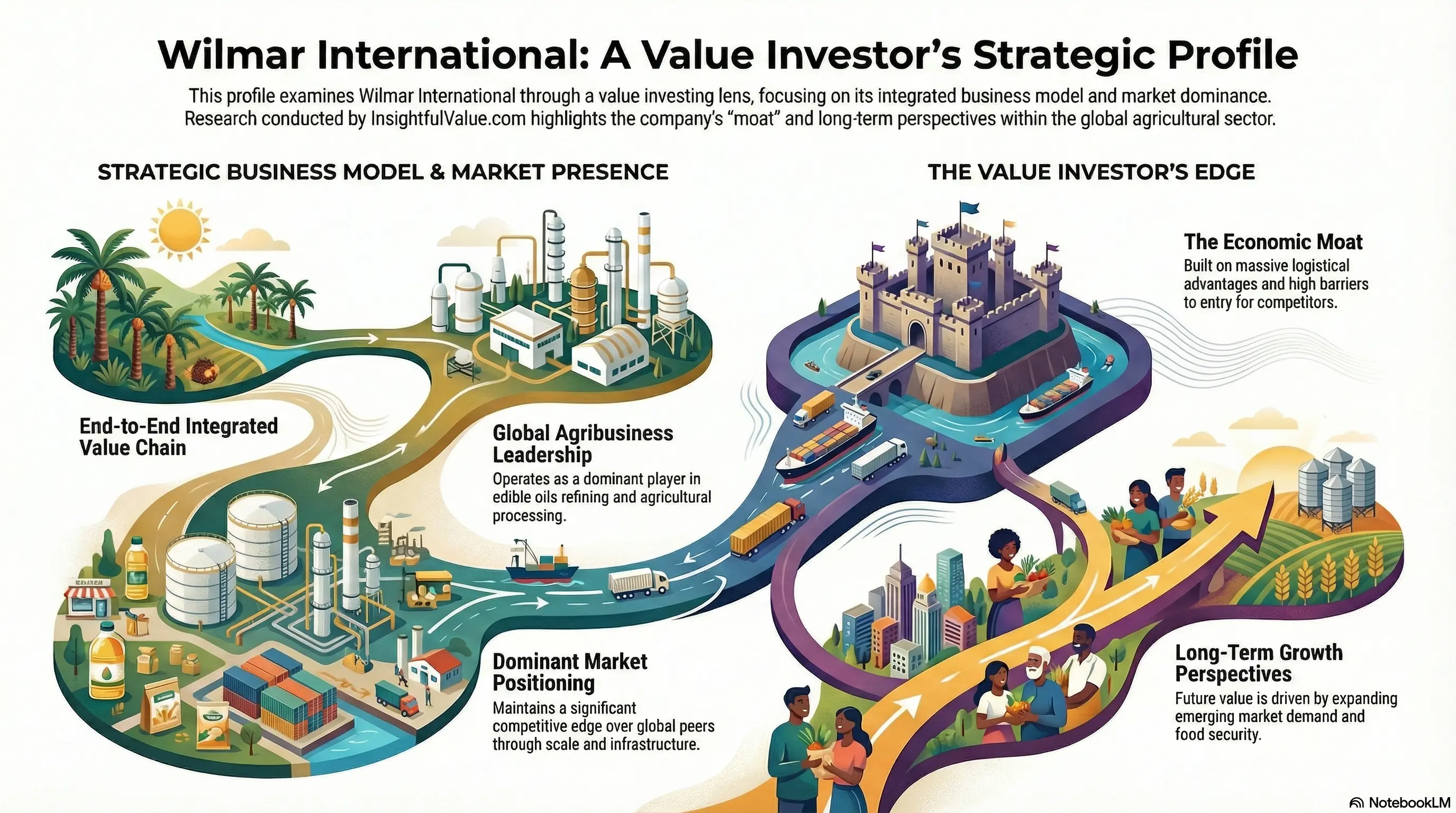
Wilmar International is a Singaporean agribusiness and food processing company, founded in 1991 and headquartered in Singapore. It is one of the largest agribusiness companies in the world and is known for its dominance in the palm oil industry. Wilmar's core business activities include oil palm cultivation, oilseed crushing, edible oils refining, specialty fats production, and consumer pack oils and grains processing. The company also has an extensive distribution network, supplying its products to customers in over 50 countries.
Wilmar is committed to sustainable practices and has various sustainability initiatives in place. It has established a No Deforestation, No Peat, No Exploitation (NDPE) policy, which aims to eliminate deforestation and protect peatlands, as well as uphold human rights and workers' rights in its supply chain. The company also invests in research and development to improve its sustainability practices and has partnerships with various organizations and NGOs to promote responsible agriculture and forestry.
In addition to its primary business in palm oil, Wilmar also has operations in sugar, tea, rice, and grains, as well as a presence in the consumer and oilseeds and grains industries. The company has a diverse portfolio of products and brands, including Adela, Suneor, Fortuna, and Oelmühle Solling.
Wilmar has a global workforce of over 90,000 employees and reported a revenue of US$44.8 billion in 2020. It is listed on the Singapore Exchange and has a market capitalization of over US$22.6 billion (as of August 2021). The company has received numerous awards and recognition for its sustainable practices, including being named one of the World's Most Ethical Companies by the Ethisphere Institute for the 9th consecutive year in 2021.
How to explain to a 10 year old kid about the company?

📈 Want to read more about Wilmar International?
Sign up for free
or
log in
💡 Learn smarter stock picks with "The Checklist Value Investor — A Smarter Way to Pick Stocks"
V2lsbWFyIE ludGVybmF0 aW9uYWwgaX MgbGlrZSBh IGdpYW50IG Zvb2QgY29t cGFueSB0aG F0IGhlbHBz IGNyZWF0ZS BtYW55IHBy b2R1Y3RzIH RoYXQgcGVv cGxlIGVhdC BldmVyeSBk YXkuIEltYW dpbmUgYSBi aWcga2l0Y2 hlbiB3aGVy ZSBsb3RzIG 9mIGRpZmZl cmVudCBmb2 9kcyBjb21l IHRvZ2V0aG VyLiBXaWxt YXIgaXMgaW 52b2x2ZWQg aW4gZXZlcn l0aGluZyBm cm9tIGdyb3 dpbmcgY3Jv cHMgbGlrZS BwYWxtIG9p bCBhbmQgc2 95YmVhbnMg dG8gdHVybm luZyB0aGVt IGludG8gdG hpbmdzIHdl IHJlY29nbm l6ZSwgbGlr ZSBjb29raW 5nIG9pbHMg YW5kIHNuYW Nrcy4gPGJy PkhlcmXigJ lzIGhvdyBp dCBtYWtlcy Btb25leTog PGJyPjEuID xzdHJvbmc+ RmFybWluZz wvc3Ryb25n PjogV2lsbW FyIGdyb3dz IGNyb3BzIG 9uIGl0cyBm YXJtcy4gSX Qgc2VsbHMg dGhlIHJhdy BtYXRlcmlh bHMgdG8gb3 RoZXIgY29t cGFuaWVzIG 9yIHVzZXMg dGhlbSB0by BtYWtlIHRo ZWlyIG93bi Bwcm9kdWN0 cy48YnI+Mi 4gPHN0cm9u Zz5Qcm9jZX NzaW5nPC9z dHJvbmc+Oi BBZnRlciBn cm93aW5nIH RoZSBjcm9w cywgdGhleS B0dXJuIHRo ZW0gaW50by BmaW5hbCBw cm9kdWN0cy 4gRm9yIGV4 YW1wbGUsIH RoZXkgdGFr ZSBwYWxtIG 9pbCBhbmQg cHJvZHVjZS Bjb29raW5n IG9pbCwgbW FyZ2FyaW5l LCBhbmQgZX ZlbiBmb29k IGZvciBhbm ltYWxzLjxi cj4zLiA8c3 Ryb25nPkRp c3RyaWJ1dG lvbjwvc3Ry b25nPjogT2 5jZSB0aGUg cHJvZHVjdH MgYXJlIHJl YWR5LCB0aG V5IHNlbGwg dGhlbSB0by BzdG9yZXMg b3Igb3RoZX IgY29tcGFu aWVzIGFyb3 VuZCB0aGUg d29ybGQuID xicj5XaWxt YXIgaXMgc3 VjY2Vzc2Z1 bCBiZWNhdX NlOjxicj4x LiA8c3Ryb2 5nPkRpdmVy c2UgUHJvZH VjdHM8L3N0 cm9uZz46IF RoZXkgb2Zm ZXIgYSB3aW RlIHJhbmdl IG9mIGZvb2 RzLCBzbyBk aWZmZXJlbn QgcGVvcGxl IGFuZCBidX NpbmVzc2Vz IHdhbnQgdG 8gYnV5IGZy b20gdGhlbS 48YnI+Mi4g PHN0cm9uZz 5HbG9iYWwg UmVhY2g8L3 N0cm9uZz46 IFRoZXkgb3 BlcmF0ZSBp biBtYW55IG NvdW50cmll cywgc28gaW Ygb25lIGFy ZWEgaGFzIH Ryb3VibGUs IHRoZXkgY2 FuIHN0aWxs IGRvIHdlbG wgaW4gb3Ro ZXJzLjxicj 4zLiA8c3Ry b25nPkZvY3 VzIG9uIFF1 YWxpdHk8L3 N0cm9uZz46 IFRoZXkgcG F5IGF0dGVu dGlvbiB0by BtYWtpbmcg c3VyZSB0aG VpciBwcm9k dWN0cyBhcm UgZ29vZCBh bmQgc2FmZS wgd2hpY2gg a2VlcHMgY3 VzdG9tZXJz IGhhcHB5IG FuZCBjb21p bmcgYmFjay 48YnI+SW4g dGhlIGZ1dH VyZSwgV2ls bWFyIGlzIG xpa2VseSB0 byBzdGF5IH N1Y2Nlc3Nm dWwgYmVjYX VzZTo8YnI+ MS4gPHN0cm 9uZz5Hcm93 aW5nIERlbW FuZDwvc3Ry b25nPjogTW 9yZSBwZW9w bGUgYXJvdW 5kIHRoZSB3 b3JsZCBuZW VkIGZvb2Qs IGFuZCBXaW xtYXIgaXMg d2VsbC1wb3 NpdGlvbmVk IHRvIGhlbH AgbWVldCB0 aGF0IG5lZW QuPGJyPjIu IDxzdHJvbm c+SW5ub3Zh dGlvbjwvc3 Ryb25nPjog VGhleSBpbn Zlc3QgaW4g bmV3IHRlY2 hub2xvZ2ll cyBhbmQgYm V0dGVyIHdh eXMgdG8gZ3 JvdyBhbmQg cHJvY2Vzcy Bmb29kLCB3 aGljaCBjYW 4gaGVscCB0 aGVtIGltcH JvdmUgYW5k IHN0YXkgYW hlYWQgb2Yg Y29tcGV0aX RvcnMuPGJy PjMuIDxzdH Jvbmc+U3Vz dGFpbmFiaW xpdHk8L3N0 cm9uZz46IE 1vcmUgY3Vz dG9tZXJzIG NhcmUgYWJv dXQgaG93IH RoZWlyIGZv b2QgaXMgZ3 Jvd24sIGFu ZCBXaWxtYX IgaXMgZm9j dXNpbmcgb2 4gZG9pbmcg dGhpbmdzIH RoYXQgYXJl IGdvb2QgZm 9yIHRoZSBl bnZpcm9ubW VudCwgd2hp Y2ggY2FuIG F0dHJhY3Qg ZXZlbiBtb3 JlIGJ1eWVy cy48YnI+T3 ZlcmFsbCwg V2lsbWFyIE ludGVybmF0 aW9uYWwgaX MgYSBiaWcg cGxheWVyIG luIHRoZSBm b29kIHdvcm xkLCBhbmQg aXRzIGFiaW xpdHkgdG8g YWRhcHQgYW 5kIGdyb3cg bWFrZXMgaX QgbGlrZWx5 IHRvIGtlZX AgZG9pbmcg d2VsbCBpbi B0aGUgZnV0 dXJlLjxicj 4=
What is special about the company?
📈 Want to read more about Wilmar International?
Sign up for free
or
log in
🔓 Unlock our free guide: "The Checklist Value Investor — A Smarter Way to Pick Stocks"
MS4gTGFyZ2 UgYW5kIGRp dmVyc2UgYn VzaW5lc3Mg cG9ydGZvbG lvOiBXaWxt YXIgSW50ZX JuYXRpb25h bCBpcyBvbm Ugb2YgdGhl IGxhcmdlc3 QgYW5kIG1v c3QgZGl2ZX JzaWZpZWQg YWdyaWJ1c2 luZXNzIGNv bXBhbmllcy BpbiB0aGUg d29ybGQsIH dpdGggYSB3 aWRlIHJhbm dlIG9mIGJ1 c2luZXNzZX MgaW5jbHVk aW5nIHBhbG 0gb2lsLCBz dWdhciwgc2 95YmVhbiwg ZWRpYmxlIG 9pbHMsIHJl bmV3YWJsZS BlbmVyZ3ks IGFuZCBtb3 JlLjxicj4y LiBHbG9iYW wgcHJlc2Vu Y2U6IFRoZS Bjb21wYW55 IGhhcyBhIH N0cm9uZyBn bG9iYWwgcH Jlc2VuY2Ug d2l0aCBvcG VyYXRpb25z IGluIG92ZX IgNTAgY291 bnRyaWVzLC BpbmNsdWRp bmcgZW1lcm dpbmcgbWFy a2V0cyBpbi BBZnJpY2Eg YW5kIEFzaW EuPGJyPjMu IFZlcnRpY2 FsIGludGVn cmF0aW9uOi BXaWxtYXIg aXMgYSBmdW xseSBpbnRl Z3JhdGVkIG NvbXBhbnks IHdoaWNoIG 1lYW5zIGl0 IGNvbnRyb2 xzIGV2ZXJ5 IHN0YWdlIG 9mIHRoZSBw cm9kdWN0aW 9uIHByb2Nl c3MsIGZyb2 0gc291cmNp bmcgcmF3IG 1hdGVyaWFs cyB0byBwcm 9jZXNzaW5n IGFuZCBkaX N0cmlidXRp b24uIFRoaX MgYWxsb3dz IHRoZSBjb2 1wYW55IHRv IGhhdmUgZ3 JlYXRlciBj b250cm9sIG 92ZXIgY29z dHMsIHF1YW xpdHksIGFu ZCBzdXBwbH kuPGJyPjQu IFN1c3RhaW 5hYmlsaXR5 IGZvY3VzOi BXaWxtYXIg aXMgY29tbW l0dGVkIHRv IHN1c3RhaW 5hYmxlIHBy b2R1Y3Rpb2 4gYW5kIGlz IGNvbnN0YW 50bHkgd29y a2luZyB0by BpbXByb3Zl IGl0cyBlbn Zpcm9ubWVu dGFsLCBzb2 NpYWwsIGFu ZCBnb3Zlcm 5hbmNlIHBy YWN0aWNlcy 4gSXQgaGFz IGFkb3B0ZW QgYSB6ZXJv LWRlZm9yZX N0YXRpb24g cG9saWN5IG ZvciBpdHMg cGFsbSBvaW wgc3VwcGx5 IGNoYWluIG FuZCBpcyBh IHBpb25lZX IgaW4gZGV2 ZWxvcGluZy BzdXN0YWlu YWJsZSBwYW xtIG9pbCBw cmFjdGljZX MuPGJyPjUu IElubm92YX Rpb24gYW5k IHRlY2hub2 xvZ3ktZHJp dmVuOiBUaG UgY29tcGFu eSBoYXMgYS BzdHJvbmcg Zm9jdXMgb2 4gaW5ub3Zh dGlvbiBhbm QgdGVjaG5v bG9neSwgY2 9uc3RhbnRs eSBzZWVraW 5nIHdheXMg dG8gaW1wcm 92ZSBpdHMg cHJvY2Vzc2 VzIGFuZCBw cm9kdWN0cy 4gSXQgaGFz IGludmVzdG VkIGluIHJl c2VhcmNoIG FuZCBkZXZl bG9wbWVudC BmYWNpbGl0 aWVzIHRvIG RyaXZlIHBy b2R1Y3QgaW 1wcm92ZW1l bnRzIGFuZC BjcmVhdGUg bmV3IHByb2 R1Y3RzLjxi cj42LiBTdH JvbmcgZmlu YW5jaWFsIH BlcmZvcm1h bmNlOiBXaW xtYXIgSW50 ZXJuYXRpb2 5hbCBoYXMg YSB0cmFjay ByZWNvcmQg b2YgZGVsaX ZlcmluZyBj b25zaXN0ZW 50IGFuZCBz dHJvbmcgZm luYW5jaWFs IHBlcmZvcm 1hbmNlLCB3 aXRoIGEgc3 Ryb25nIGJh bGFuY2Ugc2 hlZXQgYW5k IHN0ZWFkeS Bncm93dGgg aW4gcmV2ZW 51ZSBhbmQg cHJvZml0cy 48YnI+Ny4g U3Ryb25nIH BhcnRuZXJz aGlwcyBhbm QgY29sbGFi b3JhdGlvbn M6IFRoZSBj b21wYW55IG hhcyBlc3Rh Ymxpc2hlZC BzdHJvbmcg cGFydG5lcn NoaXBzIGFu ZCBjb2xsYW JvcmF0aW9u cyB3aXRoIG tleSBzdGFr ZWhvbGRlcn MsIGluY2x1 ZGluZyBzdX BwbGllcnMs IGN1c3RvbW VycywgYW5k IGdvdmVybm 1lbnRzLCB0 byBkcml2ZS BzdXN0YWlu YWJsZSBncm 93dGggYW5k IGNyZWF0ZS B2YWx1ZSBm b3IgYWxsIH BhcnRpZXMu PGJyPjguIE xlYWRlcnNo aXAgaW4gdG hlIGluZHVz dHJ5OiBXaW xtYXIgaXMg YSBsZWFkZX IgaW4gaXRz IGluZHVzdH J5IGFuZCBo YXMgd29uIG 51bWVyb3Vz IGFjY29sYW RlcyBhbmQg YXdhcmRzIG ZvciBpdHMg YnVzaW5lc3 MgYWNjb21w bGlzaG1lbn RzIGFuZCBz dXN0YWluYW JpbGl0eSBl ZmZvcnRzLj xicj45LiBD b21taXRtZW 50IHRvIHNv Y2lhbCByZX Nwb25zaWJp bGl0eTogV2 lsbWFyIGlz IGRlZGljYX RlZCB0byBp bnZlc3Rpbm cgaW4gdGhl IGNvbW11bm l0aWVzIGlu IHdoaWNoIG l0IG9wZXJh dGVzLCBzdX Bwb3J0aW5n IGVkdWNhdG lvbiwgaGVh bHRoY2FyZS wgYW5kIG90 aGVyIHNvY2 lhbCBpbml0 aWF0aXZlcy wgYW5kIHBy b21vdGluZy ByZXNwb25z aWJsZSBhbm QgZXRoaWNh bCBidXNpbm VzcyBwcmFj dGljZXMuPG JyPjEwLiBS ZXNpbGllbm NlIGFuZCBh ZGFwdGFiaW xpdHk6IERl c3BpdGUgZm FjaW5nIGNo YWxsZW5nZX Mgc3VjaCBh cyBmbHVjdH VhdGluZyBj b21tb2RpdH kgcHJpY2Vz IGFuZCByZW d1bGF0b3J5 IGNoYW5nZX MsIFdpbG1h ciBoYXMgZG Vtb25zdHJh dGVkIGl0cy ByZXNpbGll bmNlIGFuZC BhZGFwdGFi aWxpdHkgb3 ZlciB0aGUg eWVhcnMsIH Bvc2l0aW9u aW5nIGl0c2 VsZiBhcyBh IHJlbGlhYm xlIGFuZCB0 cnVzdGVkIH BhcnRuZXIg aW4gdGhlIG luZHVzdHJ5 LiA8YnI+
What the company's business model?
📈 Want to read more about Wilmar International?
Sign up for free
or
log in
💡 Learn smarter stock picks with "The Checklist Value Investor — A Smarter Way to Pick Stocks"
VGhlIGJ1c2 luZXNzIG1v ZGVsIG9mIF dpbG1hciBJ bnRlcm5hdG lvbmFsIGlz IGZvY3VzZW Qgb24gdGhl IHByb2R1Y3 Rpb24sIHBy b2Nlc3Npbm csIGFuZCBk aXN0cmlidX Rpb24gb2Yg YWdyaWN1bH R1cmFsIHBy b2R1Y3RzLC BwcmltYXJp bHkgcGFsbS BvaWwsIHNv eWJlYW4gb2 lsLCBzdW5m bG93ZXIgb2 lsLCBhbmQg c3VnYXIuIF RoZSBjb21w YW55IG9wZX JhdGVzIGFj cm9zcyB0aG UgZW50aXJl IHZhbHVlIG NoYWluIG9m IHRoZXNlIG NvbW1vZGl0 aWVzLCBpbm NsdWRpbmcg c291cmNpbm cgcmF3IG1h dGVyaWFscy wgcHJvY2Vz c2luZywgcm VmaW5pbmcs IHBhY2thZ2 luZywgYW5k IGRpc3RyaW J1dGlvbi48 YnI+V2lsbW FyIEludGVy bmF0aW9uYW wgb3BlcmF0 ZXMgdGhyb3 VnaCBmb3Vy IG1haW4gYn VzaW5lc3Mg c2VnbWVudH M6IFRyb3Bp Y2FsIE9pbH MsIE9pbHNl ZWRzIGFuZC BHcmFpbnMs IFN1Z2FyLC BhbmQgT3Ro ZXJzLiBUaG UgVHJvcGlj YWwgT2lscy BzZWdtZW50 IHByb2R1Y2 VzIGFuZCBt YXJrZXRzIH BhbG0gb2ls IGFuZCBvdG hlciBlZGli bGUgb2lscy wgYXMgd2Vs bCBhcyBiaW 9kaWVzZWwg YW5kIG9sZW 9jaGVtaWNh bHMuIFRoZS BPaWxzZWVk cyBhbmQgR3 JhaW5zIHNl Z21lbnQgaX MgaW52b2x2 ZWQgaW4gdG hlIHNveWJl YW4sIHN1bm Zsb3dlciwg YW5kIHNwZW NpYWx0eSBv aWxzZWVkcy BjcnVzaGlu ZyBhbmQgb2 lsIHJlZmlu aW5nIG9wZX JhdGlvbnMu IFRoZSBTdW dhciBzZWdt ZW50IGluY2 x1ZGVzIHRo ZSBwcm9kdW N0aW9uIGFu ZCBzYWxlcy BvZiByYXcg YW5kIHJlZm luZWQgc3Vn YXIgYW5kIG V0aGFub2wu PGJyPlRoZS Bjb21wYW55 J3MgYnVzaW 5lc3MgbW9k ZWwgaXMgYW xzbyBjZW50 ZXJlZCBvbi BzdXN0YWlu YWJpbGl0eS BhbmQgcmVz cG9uc2libG UgYnVzaW5l c3MgcHJhY3 RpY2VzLiBJ dCBoYXMgaW 50ZWdyYXRl ZCBzdXN0YW luYWJpbGl0 eSBpbnRvIG FsbCBhc3Bl Y3RzIG9mIG l0cyBvcGVy YXRpb25zLC BpbmNsdWRp bmcgcmVzcG 9uc2libGUg c291cmNpbm csIGVmZmlj aWVudCBwcm 9kdWN0aW9u LCBhbmQgZW 52aXJvbm1l bnRhbCBjb2 5zZXJ2YXRp b24uIFdpbG 1hciBJbnRl cm5hdGlvbm FsIGFsc28g aGFzIGFuIG V4dGVuc2l2 ZSBkaXN0cm lidXRpb24g YW5kIGxvZ2 lzdGljcyBu ZXR3b3JrIH RvIGVuc3Vy ZSBpdHMgcH JvZHVjdHMg cmVhY2ggY3 VzdG9tZXJz IHdvcmxkd2 lkZS48YnI+ QWRkaXRpb2 5hbGx5LCB0 aGUgY29tcG FueSBoYXMg bWFkZSBzdH JhdGVnaWMg aW52ZXN0bW VudHMgaW4g b3RoZXIgY2 9tcGxlbWVu dGFyeSBidX NpbmVzc2Vz LCBzdWNoIG FzIHJpY2Ug bWlsbGluZy wgZmxvdXIg bWlsbGluZy wgYW5kIG9p bCBwYWxtIH BsYW50YXRp b25zLCB0by BkaXZlcnNp ZnkgaXRzIH Byb2R1Y3Qg cG9ydGZvbG lvIGFuZCBz dHJlbmd0aG VuIGl0cyBt YXJrZXQgcH Jlc2VuY2Uu PGJyPk92ZX JhbGwsIFdp bG1hciBJbn Rlcm5hdGlv bmFsJ3MgYn VzaW5lc3Mg bW9kZWwgaX MgYnVpbHQg b24gdGhlIG VmZmljaWVu dCBwcm9kdW N0aW9uIGFu ZCBkaXN0cm lidXRpb24g b2YgaGlnaC 1xdWFsaXR5 IGFncmljdW x0dXJhbCBw cm9kdWN0cy wgd2l0aCBh IGZvY3VzIG 9uIHN1c3Rh aW5hYmlsaX R5IGFuZCBy ZXNwb25zaW JsZSBwcmFj dGljZXMuIF RoaXMgaGFz IGhlbHBlZC B0aGUgY29t cGFueSBiZW NvbWUgb25l IG9mIHRoZS BsYXJnZXN0 IGFncmlidX NpbmVzcyBj b21wYW5pZX MgZ2xvYmFs bHku
Is AI a threat?
Artificial intelligence (AI) can pose several potential threats to Wilmar International, a leading agribusiness and food company, in terms of products, services, and competitive positioning.
1. Substitution: AI technology could enable the development of alternative products that could substitute for traditional agricultural products. For instance, advancements in lab-grown food and plant-based proteins may provide consumers with alternatives to palm oil and other core products of Wilmar. If these substitute products gain significant market acceptance, they could impact demand for Wilmar’s offerings.
2. Disintermediation: The rise of AI in supply chain management and food production can lead to more efficient, direct relationships between farmers and consumers. This may reduce the need for intermediaries, such as large agribusiness companies. If smaller producers leverage AI tools to expand their market reach, Wilmar could face challenges in maintaining its role as a key player in the supply chain.
3. Margin Pressure: AI can drive efficiency and reduce costs, enabling competitors to operate at lower margins. For example, companies that effectively use AI for yield prediction, pest management, and supply chain logistics can potentially offer similar products at lower prices. This could lead to increased competition and pressure on Wilmar to either lower prices or invest heavily in AI technologies themselves to maintain competitiveness.
In summary, while AI can offer opportunities for efficiency and innovation, it also poses material threats through substitution, potential disintermediation of traditional supply chains, and increased margin pressure from competitors leveraging advanced technologies. Wilmar International will need to adapt to these challenges to sustain its competitive positioning in the market.
Sensitivity to interest rates
Wilmar International’s earnings, cash flow, and valuation are influenced by changes in interest rates in several ways:
1. Cost of Borrowing: As interest rates increase, the cost of borrowing also rises. Wilmar may have outstanding debt, and higher interest expenses can reduce net earnings and cash flow. This impact can be significant if the company relies heavily on debt to finance its operations or expansion.
2. Investment Decisions: Higher interest rates can lead to higher discount rates used in valuation models, reducing the present value of future cash flows. This can negatively impact the company’s market valuation, especially if investors reassess the risk associated with the company’s projects.
3. Consumer Demand: Increased interest rates often lead to reduced consumer spending, as higher borrowing costs can diminish disposable income. This can affect Wilmar’s revenue, particularly if its products are subjected to reduced consumer demand.
4. Currency Fluctuations: Interest rate changes can influence currency exchange rates. Since Wilmar operates in multiple countries, fluctuations in currency can affect its earnings when translated back to its reporting currency.
5. Commodity Prices: Interest rate changes can also affect commodity prices, which are critical to Wilmar’s operations in agriculture and food production. For instance, higher interest rates may slow economic growth, influencing demand for agricultural products and prices, which can impact revenue and profitability.
In summary, changes in interest rates can affect Wilmar International’s finances through borrowing costs, investment valuations, consumer behavior, currency exchange rates, and commodity prices, all of which can lead to significant impacts on the company’s earnings, cash flow, and overall valuation.
Resilience to the future changes
📈 Want to read more about Wilmar International?
Sign up for free
or
log in
👥 Free eBook for new users: "The Checklist Value Investor — A Smarter Way to Pick Stocks"
T25lIHBsYX VzaWJsZSBz Y2VuYXJpby B0aGF0IGNv dWxkIHBlcm 1hbmVudGx5 IGltcGFpci BXaWxtYXIg SW50ZXJuYX Rpb25hbOKA mXMgZWNvbm 9taWNzIG92 ZXIgdGhlIG 5leHQgM+KA kzUgeWVhcn MgaXMgYSBz aWduaWZpY2 FudCBhbmQg cHJvbG9uZ2 VkIGRpc3J1 cHRpb24gaW 4gZ2xvYmFs IHBhbG0gb2 lsIHN1cHBs eSBjaGFpbn MgZHVlIHRv IGludGVuc2 lmaWVkIGVu dmlyb25tZW 50YWwgcmVn dWxhdGlvbn MgYW5kIHNo aWZ0aW5nIG NvbnN1bWVy IHByZWZlcm VuY2VzIHRv d2FyZHMgc3 VzdGFpbmFi bGUgcHJvZH VjdHMuIFRo aXMgc2Nlbm FyaW8gY291 bGQgdW5mb2 xkIHRocm91 Z2ggc2V2ZX JhbCBpbnRl cmNvbm5lY3 RlZCBmYWN0 b3JzOjxicj 4xLiA8c3Ry b25nPlJlZ3 VsYXRvcnkg Q2hhbmdlcz wvc3Ryb25n PjogQXMgZ2 xvYmFsIGF3 YXJlbmVzcy BvZiBlbnZp cm9ubWVudG FsIGlzc3Vl cyByaXNlcy wgbmV3IGFu ZCBzdHJpY3 RlciByZWd1 bGF0aW9ucy Bjb3VsZCBi ZSBlbmFjdG VkIGNvbmNl cm5pbmcgZG Vmb3Jlc3Rh dGlvbiBhbm QgbGFuZCB1 c2UgZm9yIH BhbG0gb2ls IGN1bHRpdm F0aW9uLiBU aGVzZSByZW d1bGF0aW9u cyBtaWdodC BpbmNsdWRl IGxpbWl0cy BvbiBsYW5k IGNsZWFyYW 5jZSwgaW5j cmVhc2VkIG NvbXBsaWFu Y2UgY29zdH MsIGFuZCBz dHJpY3Rlci BjZXJ0aWZp Y2F0aW9ucy Bmb3Igc3Vz dGFpbmFibG UgcHJhY3Rp Y2VzLjxicj 4yLiA8c3Ry b25nPkNvbn N1bWVyIFB1 c2hiYWNrPC 9zdHJvbmc+ OiBBcyBjb2 5zdW1lcnMg YmVjb21lIG luY3JlYXNp bmdseSBhd2 FyZSBvZiB0 aGUgZW52aX Jvbm1lbnRh bCBpbXBhY3 Qgb2YgcGFs bSBvaWwgcH JvZHVjdGlv biwgZGVtYW 5kIGZvciBz dXN0YWluYW JseSBzb3Vy Y2VkIHByb2 R1Y3RzIGFu ZCBhbHRlcm 5hdGl2ZSBv aWxzIGNvdW xkIHJpc2Uu IFRoaXMgc2 hpZnQgaW4g Y29uc3VtZX IgcHJlZmVy ZW5jZSBtaW dodCBsZWFk IHRvIHJlZH VjZWQgbWFy a2V0IHNoYX JlIGZvciBj b252ZW50aW 9uYWwgcGFs bSBvaWwgcH JvZHVjZXJz IGxpa2UgV2 lsbWFyLjxi cj4zLiA8c3 Ryb25nPlN1 cHBseSBDaG FpbiBEaXNy dXB0aW9ucz wvc3Ryb25n PjogSWYga2 V5IHByb2R1 Y2luZyBjb3 VudHJpZXMg ZmFjZSBlbn Zpcm9ubWVu dGFsIG9yIH BvbGl0aWNh bCBpbnN0YW JpbGl0eSwg c3VjaCBhcy BJbmRvbmVz aWEgYW5kIE 1hbGF5c2lh LCB0aGUgZG lzcnVwdGlv biBjb3VsZC ByZXN1bHQg aW4gcmVkdW NlZCBwcm9k dWN0aW9uIG NhcGFjaXR5 IGFuZCBpbm NyZWFzZWQg dm9sYXRpbG l0eSBpbiBw YWxtIG9pbC BwcmljZXMu IEFkZGl0aW 9uYWxseSwg dGhpcyBjb3 VsZCBsZWFk IHRvIHJlcH V0YXRpb25h bCBkYW1hZ2 UgaWYgV2ls bWFyIGlzIH NlZW4gYXMg bm90IGFsaW duaW5nIHdp dGggc3VzdG FpbmFibGUg cHJhY3RpY2 VzLjxicj5J ZiB0aGlzIH NjZW5hcmlv IHdlcmUgdG 8gcGxheSBv dXQsIHRoZS BpbXBhY3Qg b24gV2lsbW FyIEludGVy bmF0aW9uYW zigJlzIGZp bmFuY2lhbC BoZWFsdGgg Y291bGQgYm Ugc2lnbmlm aWNhbnQ6PG JyPi0gPHN0 cm9uZz5NYX JnaW5zPC9z dHJvbmc+Oi BUaGUgY29t cGFueeKAmX MgcHJvZml0 IG1hcmdpbn MgbWlnaHQg ZHJhc3RpY2 FsbHkgZGVj cmVhc2UgZH VlIHRvIGlu Y3JlYXNlZC Bjb21wbGlh bmNlIGNvc3 RzIGFzc29j aWF0ZWQgd2 l0aCBuZXcg cmVndWxhdG lvbnMgYW5k IGhpZ2hlci Bjb3N0cyBv ZiBwcm9kdW Npbmcgc3Vz dGFpbmFibH kgc291cmNl ZCBwYWxtIG 9pbC4gQWRk aXRpb25hbG x5LCByZWR1 Y2VkIGRlbW FuZCBmb3Ig Y29udmVudG lvbmFsIHBh bG0gb2lsIG NvdWxkIGxl YWQgdG8gcH JpY2Ugd2Fy cywgZnVydG hlciBzcXVl ZXppbmcgbW FyZ2lucy48 YnI+LSA8c3 Ryb25nPkNh c2ggRmxvdz wvc3Ryb25n PjogV2l0aC BkaW1pbmlz aGluZyBwcm 9maXRzLCBj YXNoIGZsb3 cgd291bGQg bGlrZWx5IH N1ZmZlci4g QSBjb21iaW 5hdGlvbiBv ZiByZWR1Y2 VkIHNhbGUg dm9sdW1lcy BhbmQgdGhl IG5lZWQgdG 8gaW52ZXN0 IGhlYXZpbH kgaW4gc3Vz dGFpbmFibG UgcHJhY3Rp Y2VzIGFuZC BjZXJ0aWZp Y2F0aW9ucy Bjb3VsZCBs ZWFkIHRvIG EgY2FzaCBm bG93IGNydW 5jaC4gVGhp cyBtaWdodC BtYWtlIGl0 IGRpZmZpY3 VsdCBmb3Ig dGhlIGNvbX BhbnkgdG8g ZmluYW5jZS BpdHMgb3Bl cmF0aW9ucy BvciBpbnZl c3QgaW4gZ3 Jvd3RoIGlu aXRpYXRpdm VzLjxicj4t IDxzdHJvbm c+QmFsYW5j ZSBTaGVldD wvc3Ryb25n PjogVGhlIG NvbXBhbnni gJlzIGJhbG FuY2Ugc2hl ZXQgbWlnaH Qgd2Vha2Vu IHNpZ25pZm ljYW50bHkg aW4gdGhpcy BzY2VuYXJp by4gRGVjcm Vhc2luZyBw cm9maXRhYm lsaXR5IGNv dWxkIGxlYW QgdG8gbG93 ZXIgcmV0YW luZWQgZWFy bmluZ3MsIH doaWxlIGlu Y3JlYXNlZC BpbnZlc3Rt ZW50IGluIH N1c3RhaW5h YmxlIG9wZX JhdGlvbnMg YW5kIHBvdG VudGlhbCB3 cml0ZS1kb3 ducyBvZiBu b2NvbXBsaW FudCBhc3Nl dHMgY291bG QgaW1wYWN0 IG92ZXJhbG wgYXNzZXQg dmFsdWF0aW 9uLiBJZiBj YXNoIGZsb3 dzIGFyZSBp bnN1ZmZpY2 llbnQsIFdp bG1hciBtYX kgYWxzbyBu ZWVkIHRvIH Rha2Ugb24g ZGVidCB0by BzdXN0YWlu IG9wZXJhdG lvbnMsIHJl c3VsdGluZy BpbiBoaWdo ZXIgbGV2ZX JhZ2UgcmF0 aW9zIGFuZC Bwb3RlbnRp YWxseSBuZW dhdGl2ZSBj cmVkaXQgcm F0aW5ncy48 YnI+VWx0aW 1hdGVseSwg aWYgV2lsbW FyIGZhaWxz IHRvIGFkYX B0IHRvIHRo ZXNlIHNoaW Z0aW5nIG1h cmtldCBkeW 5hbWljcywg aXQgY291bG QgZmFjZSBh IGxvbmctdG VybSBkZWNs aW5lIGluIG l0cyBjb21w ZXRpdGl2ZS Bwb3NpdGlv biBhbmQgZm luYW5jaWFs IHN0YWJpbG l0eSwgc2V2 ZXJlbHkgaW 1wYWlyaW5n IGl0cyBlY2 9ub21pYyBz dHJ1Y3R1cm UgaW4gdGhl IGdsb2JhbC BtYXJrZXQu PGJyPg==
Interesting facts about the company
📈 Want to read more about Wilmar International?
Sign up for free
or
log in
🙌 Join now to get "The Checklist Value Investor — A Smarter Way to Pick Stocks" at no cost
CiAgICAgIC AgICAgIDxk aXYgc3R5bG U9J3dpZHRo OiAxMDAlOy BkaXNwbGF5 OiBmbGV4Oy BqdXN0aWZ5 LWNvbnRlbn Q6IGNlbnRl cjsnPgogIC AgICAgICAg ICAgICAgPG RpdiBzdHls ZT0nCiAgIC AgICAgICAg ICAgICAgIC AgZGlzcGxh eTogZmxleD sKICAgICAg ICAgICAgIC AgICAgICBh bGlnbi1pdG VtczogY2Vu dGVyOwogIC AgICAgICAg ICAgICAgIC AgIGJhY2tn cm91bmQtY2 9sb3I6ICNm MGY0Zjg7Ci AgICAgICAg ICAgICAgIC AgICAgYm9y ZGVyOiAxcH ggc29saWQg I2QxZTNmMD sKICAgICAg ICAgICAgIC AgICAgICBi b3JkZXItcm FkaXVzOiAx MHB4OwogIC AgICAgICAg ICAgICAgIC AgIHBhZGRp bmc6IDEwcH g7CiAgICAg ICAgICAgIC AgICAgICAg bWFyZ2luOi AyMHB4IDA7 CiAgICAgIC AgICAgICAg ICAgICAgZm 9udC1mYW1p bHk6ICJTZW dvZSBVSSIs IFJvYm90by wgc2Fucy1z ZXJpZjsKIC AgICAgICAg ICAgICAgIC AgICBib3gt c2hhZG93Oi AwIDJweCA2 cHggcmdiYS gwLCAwLCAw LCAwLjA1KT sKICAgICAg ICAgICAgIC AgICAgICBt YXgtd2lkdG g6IDkwMHB4 OwogICAgIC AgICAgICAg ICAgICAgIH dpZHRoOiAx MDAlOyc+Cg ogICAgICAg ICAgICAgIC AgICAgIDxp bWcgc3JjPS Jhc3NldHMv bG9nb3MvRk lJWVUwVlpr eTQ5bWJaSE hiaXIud2Vi cCIgYWx0PS JXaWxtYXIg SW50ZXJuYX Rpb25hbCIg dGl0bGU9Il dpbG1hciBJ bnRlcm5hdG lvbmFsIiAg Y2xhc3M9Im ltZy1mbHVp ZCIgaGVpZ2 h0PTUwIHdp ZHRoPTUwIG xvYWRpbmc9 J2xhenknIH N0eWxlPSdi b3JkZXItcm FkaXVzOiA2 cHg7Jz4KCi AgICAgICAg ICAgICAgIC AgICAgPGRp diBzdHlsZT 0nZmxleDog MTsgdGV4dC 1hbGlnbjog Y2VudGVyOy BtYXJnaW4t bGVmdDogNX B4Oyc+CiAg ICAgICAgIC AgICAgICAg ICAgICAgID xwIHN0eWxl PSdmb250LX NpemU6IDI2 cHg7IGNvbG 9yOiAjMzMz OyBtYXJnaW 4tYm90dG9t OiAxNXB4Oy c+CiAgICAg ICAgICAgIC AgICAgICAg ICAgICAgIC Dwn5OIIFdh bnQgdG8gcm VhZCBtb3Jl IGFib3V0IF dpbG1hciBJ bnRlcm5hdG lvbmFsPwog ICAgICAgIC AgICAgICAg ICAgICAgIC A8L3A+Cgog ICAgICAgIC AgICAgICAg ICAgICAgIC A8YSBocmVm PSdpbmRleC 5waHA/cGFn ZT1zaWdudX AnIHN0eWxl PScKICAgIC AgICAgICAg ICAgICAgIC AgICAgICAg IGJhY2tncm 91bmQtY29s b3I6ICMwMD dCRkY7CiAg ICAgICAgIC AgICAgICAg ICAgICAgIC AgICBjb2xv cjogI2ZmZj sKICAgICAg ICAgICAgIC AgICAgICAg ICAgICAgIH BhZGRpbmc6 IDEwcHggMj BweDsKICAg ICAgICAgIC AgICAgICAg ICAgICAgIC AgIGJvcmRl ci1yYWRpdX M6IDVweDsK ICAgICAgIC AgICAgICAg ICAgICAgIC AgICAgIHRl eHQtZGVjb3 JhdGlvbjog bm9uZTsKIC AgICAgICAg ICAgICAgIC AgICAgICAg ICAgIGZvbn Qtd2VpZ2h0 OiBib2xkOw ogICAgICAg ICAgICAgIC AgICAgICAg ICAgICAgbW FyZ2luLXJp Z2h0OiAxMH B4OwogICAg ICAgICAgIC AgICAgICAg ICAgICAgIC AgdHJhbnNp dGlvbjogYm Fja2dyb3Vu ZC1jb2xvci AwLjNzIGVh c2U7JwogIC AgICAgICAg ICAgICAgIC AgICAgICAg ICAgb25tb3 VzZW92ZXI9 J3RoaXMuc3 R5bGUuYmFj a2dyb3VuZE NvbG9yPSIj MDA1NmIzIi cKICAgICAg ICAgICAgIC AgICAgICAg ICAgICAgIG 9ubW91c2Vv dXQ9J3RoaX Muc3R5bGUu YmFja2dyb3 VuZENvbG9y PSIjMDA3Qk ZGIic+CiAg ICAgICAgIC AgICAgICAg ICAgICAgIC AgICBTaWdu IHVwIGZvci BmcmVlCiAg ICAgICAgIC AgICAgICAg ICAgICAgID wvYT4KCiAg ICAgICAgIC AgICAgICAg ICAgICAgID xzcGFuIHN0 eWxlPSdtYX JnaW46IDAg OHB4OyBjb2 xvcjogIzU1 NTsnPm9yPC 9zcGFuPgoK ICAgICAgIC AgICAgICAg ICAgICAgIC AgPGEgaHJl Zj0naW5kZX gucGhwP3Bh Z2U9bG9naW 4nIHN0eWxl PScKICAgIC AgICAgICAg ICAgICAgIC AgICAgICAg IGNvbG9yOi AjMDA3QkZG OwogICAgIC AgICAgICAg ICAgICAgIC AgICAgICAg dGV4dC1kZW NvcmF0aW9u OiB1bmRlcm xpbmU7CiAg ICAgICAgIC AgICAgICAg ICAgICAgIC AgICBmb250 LXdlaWdodD ogNTAwOyc+ CiAgICAgIC AgICAgICAg ICAgICAgIC AgICAgICBs b2cgaW4KIC AgICAgICAg ICAgICAgIC AgICAgICAg PC9hPgoKCi AgICAgICAg ICAgICAgIC AgICAgICAg IDxwIHN0eW xlPSdtYXJn aW4tdG9wOi AxNXB4OyBm b250LXNpem U6IDEzcHg7 IGZvbnQtd2 VpZ2h0OiBi b2xkOyBjb2 xvcjogI2Qz MmYyZjsnPg ogICAgICAg ICAgICAgIC AgICAgICAg ICAgICAg8J +TliBHZXQg aW5zaWdodH MgZnJvbSA8 aT4iVGhlIE NoZWNrbGlz dCBWYWx1ZS BJbnZlc3Rv ciDigJQgQS BTbWFydGVy IFdheSB0by BQaWNrIFN0 b2NrcyI8L2 k+IG5vdyEK ICAgICAgIC AgICAgICAg ICAgICAgIC AgPC9wPgoK ICAgICAgIC AgICAgICAg ICAgICAgIC AgPCEtLQog ICAgICAgIC AgICAgICAg ICAgICAgIC A8ZGl2IHN0 eWxlPSdtYX JnaW4tdG9w OiAxMnB4Oy Bmb250LXNp emU6IDEzcH g7IGNvbG9y OiAjNDQ0Oy c+CiAgICAg ICAgICAgIC AgICAgICAg ICAgICAgIC BTaWduIHVw IG5vdyBhbm QgZ2V0IG91 ciBmcmVlIG VCb29rIAog ICAgICAgIC AgICAgICAg ICAgICAgIC AgICAgPGI+ VGhlIENoZW NrbGlzdCBW YWx1ZSBJbn Zlc3RvciDi gJQgQSBTbW FydGVyIFdh eSB0byBQaW NrIFN0b2Nr czwvYj4KIC AgICAgICAg ICAgICAgIC AgICAgICAg PC9kaXY+Ci AgICAgICAg ICAgICAgIC AgICAgICAg IC0tPgogIC AgICAgICAg ICAgICAgIC AgICAgICA8 IS0tCiAgIC AgICAgICAg ICAgICAgIC AgICAgIDxk aXYgc3R5bG U9J21hcmdp bi10b3A6ID E2cHg7IGZv bnQtc2l6ZT ogMTRweDsg Y29sb3I6IC M0NDQ7IGZv bnQtZmFtaW x5OiAtYXBw bGUtc3lzdG VtLCBCbGlu a01hY1N5c3 RlbUZvbnQs IFNlZ29lIF VJLCBSb2Jv dG8sIEhlbH ZldGljYSBO ZXVlLCBzYW 5zLXNlcmlm OyBsaW5lLW hlaWdodDog MS42Oyc+Ci AgICAgICAg ICAgICAgIC AgICAgICAg ICAgICBIYX ZlIHlvdSBo ZWFyZCBhYm 91dCBvdXIg c2hvcnQgPH N0cm9uZyBz dHlsZT0nZm 9udC13ZWln aHQ6IDYwMD snPkRhaWx5 IFZpZGVvIE 5ld3NsZXR0 ZXI8L3N0cm 9uZz4/CiAg ICAgICAgIC AgICAgICAg ICAgICAgIC AgICA8YSBo cmVmPSdodH RwczovL3d3 dy5pbnNpZ2 h0ZnVsdmFs dWUuY29tL2 5ld3NsZXR0 ZXIucGhwJy B0YXJnZXQ9 J19ibGFuay cgc3R5bGU9 J2NvbG9yOi AjMDA3QkZG OyB0ZXh0LW RlY29yYXRp b246IG5vbm U7IGZvbnQt d2VpZ2h0Oi A1MDA7IG1h cmdpbi1sZW Z0OiA2cHg7 Jz4KICAgIC AgICAgICAg ICAgICAgIC AgICAgICAg ICAgICBGaW 5kIG91dCBt b3JlCiAgIC AgICAgICAg ICAgICAgIC AgICAgICAg ICA8L2E+Ci AgICAgICAg ICAgICAgIC AgICAgICAg IDwvZGl2Pg ogICAgICAg ICAgICAgIC AgICAgICAg ICAtLT4KIC AgICAgICAg ICAgICAgIC AgICA8L2Rp dj4KICAgIC AgICAgICAg ICAgIDwvZG l2PgogICAg ICAgICAgIC A8L2Rpdj4K ICAgICAgIC AgICAgCiAg ICAgICAgCi AgICAgICAg PHNwYW4gY2 xhc3M9J2Js dXJyZWQtdG V4dCc+CiAg ICAgICAgIC AgIE1TNGdW MmxzYlcgRn lJRWx1ZEdW eSBibUYwYV c5dVlXIHdn YVhNZ1lTQl QgYVc1bllY QnZjbSBVdF ltRnpaV1Fn IFlXZHlhV0 oxYzIgbHVa WE56SUdOdi BiWEJoYm5r Z2RHIGhoZE NCM1lYTWcg Wm05MWJtUm xaQyBCcGJp QXhPVGt4IE lHSjVJR0ox YzIgbHVaWE 56YldGdSBJ RXQxYjJzZ1 MyIGh2YjI0 Z1NHOXUgWn k0OFluSStN aSA0Z1NYUW dhWE1nIGIy NWxJRzltSU ggUm9aU0Jz WVhKbiBaWE 4wSUdGbmNt IGxpZFhOcG JtVnogY3lC amIyMXdZVy A1cFpYTWdh VzRnIFFYTn BZU0JoYm0g UWdhWE1nYV c1MiBiMngy WldRZ2FXID RnWVNCM2FX UmwgSUhKaG JtZGxJRyA5 bUlHRmpkR2 wyIGFYUnBa WE1nYVcgNW piSFZrYVc1 biBJRzlwYk NCd1lXIHh0 SUdOMWJIUn AgZG1GMGFX OXVMQyBCdm FXeHpaV1Zr IElHTnlkWE 5vYVcgNW5M Q0JsWkdsaS BiR1VnYjJs c2N5IEJ5Wl dacGJtbHUg Wnl3Z2MzQm xZMiBsaGJI UjVJR1poIG RITWdZVzVr SUcgOXNaVz lqYUdWdCBh V05oYkhNZ2 NIIEp2WkhW amRHbHYgYm l3Z1lXNWtJ RyBkeVlXbH VJSEJ5IGIy TmxjM05wYm 0gY3VQR0p5 UGpNdSBJRl JvWlNCamIy IDF3WVc1NU lHaGggY3lC dmNHVnlZWC BScGIyNXpJ R2x1IElHOT JaWElnTlQg QWdZMjkxYm 5SeSBhV1Z6 SUdGdVpDIE JwY3lCMGFH VWcgYkdGeV oyVnpkQyBC d1lXeHRJRz lwIGJDQjBj bUZrWlggSW dhVzRnZEdo bCBJSGR2Y2 14a0xqIHhp Y2o0MExpQl ggYVd4dFlY SWdTVyA1MF pYSnVZWFJw IGIyNWhiQ0 J2ZDIgNXpJ SE5sZG1WeS BZV3dnZDJW c2JDIDFyYm 05M2JpQmog YjI1emRXMW xjaSBCaWNt RnVaSE1nIG MzVmphQ0Jo Y3kgQkdiM0 owZFc1bCBJ R1ZrYVdKc1 pTIEJ2YVd3 c0lFWnMgWV hadmNtbDBa UyBCcFkyVW dZM0psIFlX MHNJR0Z1Wk MgQkJZV3h6 ZENCaiBhRz lqYjJ4aGRH IFV1UEdKeV BqVXUgSUVs dUlESXdNVC Bjc0lGZHBi RzFoIGNpQk piblJsY20g NWhkR2x2Ym 1GcyBJSGRo Y3lCeVlXID VyWldRZ01q TTUgSUc5dU lIUm9aUyBC R2IzSjBkVz VsIElFZHNi MkpoYkMgQT FNREFnYkds eiBkQ3dnYl dGcmFXIDVu SUdsMElHOX UgWlNCdlpp QjBhRyBVZ2 JHRnlaMlZ6 IGRDQmpiMj F3WVcgNXBa WE1nYVc0Zy BkR2hsSUhk dmNtIHhrTG p4aWNqNDIg TGlCVWFHVW dZMiA5dGNH RnVlU0JvIF lYTWdabUZq WlcgUWdZM0 pwZEdsaiBh WE50SUdGdV pDIEJqYjI1 MGNtOTIgWl hKemVTQm1i MyBJZ2FYUn pJR2x1IGRt OXNkbVZ0Wl cgNTBJR2x1 SUhSbyBaU0 J3WVd4dElH IDlwYkNCcG JtUjEgYzNS eWVTd2dkMi BocFkyZ2dh R0Z6IElHSm xaVzRnYkcg bHVhMlZrSU hSdiBJR1Js Wm05eVpYIE 4wWVhScGIy NHMgSUdoMW JXRnVJSCBK cFoyaDBjeU JoIFluVnpa WE1zSUcgRn VaQ0JsYm5a cCBjbTl1Yl dWdWRHIEZz SUdSaGJXRm 4gWlM0OFlu SStOeSA0Z1 YybHNiV0Z5 IElFbHVkR1 Z5Ym0gRjBh Vzl1WVd3Zy BhR0Z6SUcx aFpHIFVnWl dabWIzSjAg Y3lCcGJpQn laVyBObGJu UWdlV1ZoIG NuTWdkRzhn YVcgMXdjbT kyWlNCcCBk SE1nYzNWem RHIEZwYm1G aWFXeHAgZE hrZ2NISmhZ MyBScFkyVn pMQ0JwIGJt TnNkV1JwYm 0gY2dZV1J2 Y0hScCBibW NnWVNCT2J5 IEJFWldadm NtVnogZEdG MGFXOXVMQy BCT2J5QlFa V0YwIExDQk 9ieUJGZUgg QnNiMmwwWV hScCBiMjRn Y0c5c2FXIE 41TGp4aWNq NDQgTGlCWG FXeHRZWCBJ Z1NXNTBaWE p1IFlYUnBi MjVoYkMgQm hiSE52SUdo aCBjeUJoSU dwdmFXIDUw SUhabGJuUj EgY21VZ2Qy bDBhQyBCMG FHVWdZV2R5 IGFXSjFjMm x1WlggTnpJ R052YlhCaC BibmtnUVhK amFHIFZ5SU VSaGJtbGwg YkhNZ1RXbG tiRyBGdVpD d2dZMkZzIG JHVmtJRUZF VFMgMVhhV3 h0WVhJcyBJ SGRvYVdOb0 lHIDl3WlhK aGRHVnogSU dsdUlIUm9a UyBCd1lXeH RJRzlwIGJD d2djMjk1WW 0gVmhiaXdn WVc1ayBJSE poY0dWelpX IFZrSUhObF kzUnYgY25N dVBHSnlQai BrdUlFbHVJ R0ZrIFpHbD BhVzl1SUgg UnZJR2wwY3 lCdCBZV2x1 SUdKMWMyIG x1WlhOeklI TmwgWjIxbG JuUnpMQyBC WGFXeHRZWE lnIFNXNTBa WEp1WVggUn BiMjVoYkNC aCBiSE52SU doaGN5IEJw Ym5SbGNtVn ogZEhNZ2FX NGdiMyBSb1 pYSWdhVzVr IGRYTjBjbW xsY3kgQnpk V05vSUdGei BJR3h2WjJs emRHIGxqY3 l3Z2MzVm4g WVhJZ2NtVm 1hVyA1cGJt Y3NJR0Z1IF pDQndjbTl3 WlggSjBlU0 JrWlhabCBi Rzl3YldWdW RDIDQ4WW5J K01UQXUgSU VGeklHOW1J RCBJd01qRX NJSFJvIFpT QmpkWEp5Wl cgNTBJRU5G VHlCdiBaaU JYYVd4dFlY IElnU1c1MF pYSnUgWVhS cGIyNWhiQy BCcGN5Qk5j aTRnIFMzVn ZheUJMYUcg OXZiaUJJYj I1biBMQ0Iz YUc4Z2FYIE 1nWVd4emJ5 QnYgYm1VZ2 IyWWdkRyBo bElHTnZiWE JoIGJubmln Smx6SUcgeG hjbWRsYzNR ZyBjMmhoY2 1Wb2IyIHhr WlhKekxnPT 0KICAgICAg ICA8L3NwYW 4+CiAgICAg ICAgCiAgIC AgICAg
See Company Q&A
📊 Get full analytics about Wilmar International
Sign up for free
or
log in
🙌 Join now to get "The Checklist Value Investor — A Smarter Way to Pick Stocks" at no cost