Company at a Glance
Price
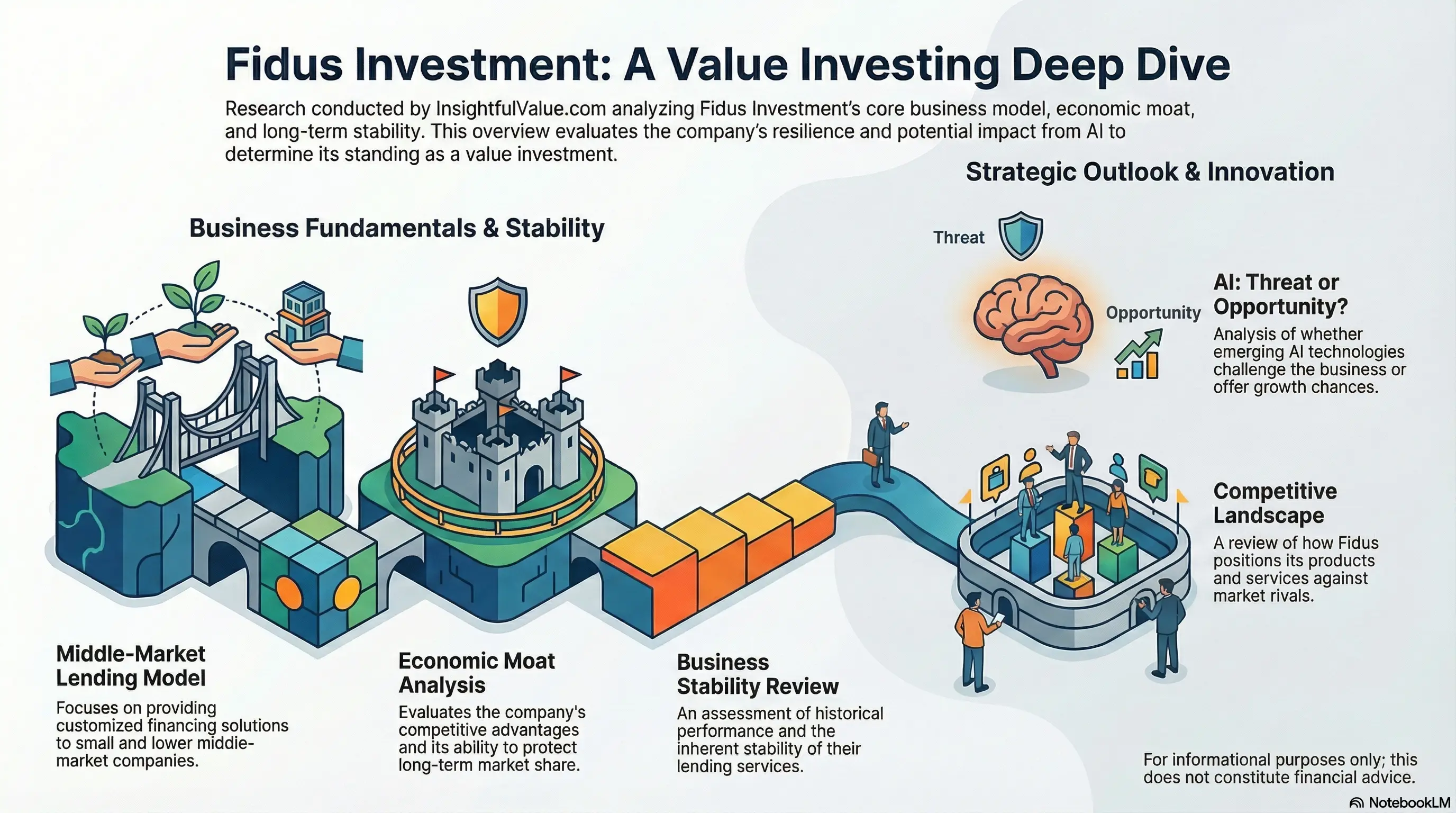
Infographic
Overview
Fidus Investment Corporation is a business development company (BDC) that focuses on providing customized debt and equity financing solutions to lower middle-market companies. The company was founded in 2007 and is headquartered in Evanston, Illinois.
Fidus is a publicly traded company that is listed on the NASDAQ stock exchange under the ticker symbol FDUS. The company’s primary objective is to generate both current income and capital appreciation through its investments.
Fidus primarily invests in senior secured debt and subordinated debt of lower middle-market companies with annual revenues between $10 million and $150 million. These companies typically operate in industries such as healthcare, specialty finance, business services, and consumer products.
The company also invests in equity securities, including preferred and common stock, warrants, and other forms of equity participation in its portfolio companies. Fidus typically looks for companies with stable cash flows, strong management teams, and potential for growth.
Fidus is managed by Fidus Investment Advisors, LLC, a registered investment advisor. The company’s team of experienced investment professionals conducts thorough due diligence and works closely with portfolio companies to help them achieve their growth objectives.
Overall, Fidus Investment Corporation provides investors with an opportunity to gain exposure to a diverse portfolio of lower middle-market companies with the potential for attractive returns. However, as with any investment, it is important for individuals to carefully consider their own financial goals and risk tolerance before investing in the company.
How to explain to a 10 year old kid about the company?
Fidus Investment Company is like a big money helper for businesses. Imagine if someone wants to start a lemonade stand but needs some cash to buy lemons, sugar, and cups. Fidus helps those businesses by giving them the money they need to grow.
Fidus makes money in two main ways. First, when it gives money to a business, it usually asks for a little extra money back. This is like when you borrow a toy and promise to return it with a treat. That extra money Fidus gets back is called interest. Second, if the business does really well, Fidus can also own a small part of it. If the business makes a lot of money, Fidus earns some money from that too.
Fidus is successful because it knows how to pick the right businesses to help. It looks for companies that are good at what they do and have great ideas. This means that many of the businesses they help can grow and pay Fidus back, plus a little extra.
In the future, Fidus will likely stay successful because there are always new businesses starting and existing ones looking to grow. As long as people want to create new things and improve, Fidus will have plenty of opportunities to help them and continue making money.
What is special about the company?

📈 Want to read more about Fidus Investment?
Sign up for free
or
log in
🙌 Join now to get "The Checklist Value Investor — A Smarter Way to Pick Stocks" at no cost
MS4gRm9jdX NlZCBvbiBT bWFsbCBhbm QgTWlkZGxl IE1hcmtldC BCdXNpbmVz c2VzOiBGaW R1cyBJbnZl c3RtZW50IH NwZWNpYWxp emVzIGluIG ludmVzdGlu ZyBpbiBzbW FsbCBhbmQg bWlkZGxlIG 1hcmtldCBj b21wYW5pZX MuIFRoaXMg Zm9jdXMgYW xsb3dzIHRo ZW0gdG8gaG F2ZSBhIGRl ZXAgdW5kZX JzdGFuZGlu ZyBvZiB0aG UgdW5pcXVl IG5lZWRzIG FuZCBjaGFs bGVuZ2VzIG 9mIHRoZXNl IGJ1c2luZX NzZXMgYW5k IHByb3ZpZG UgdGFpbG9y ZWQgc29sdX Rpb25zIHRv IHN1cHBvcn QgdGhlaXIg Z3Jvd3RoLj xicj4yLiBF eHBlcmllbm NlZCBNYW5h Z2VtZW50IF RlYW06IFRo ZSBjb21wYW 554oCZcyBt YW5hZ2VtZW 50IHRlYW0g aGFzIGV4dG Vuc2l2ZSBl eHBlcmllbm NlIGluIHRo ZSBtaWRkbG UgbWFya2V0 IGFuZCBoYX MgYSBzdHJv bmcgdHJhY2 sgcmVjb3Jk IG9mIGlkZW 50aWZ5aW5n IGF0dHJhY3 RpdmUgaW52 ZXN0bWVudC BvcHBvcnR1 bml0aWVzIG FuZCBkcml2 aW5nIHZhbH VlIGZvciBz aGFyZWhvbG RlcnMuPGJy PjMuIEZsZX hpYmxlIElu dmVzdG1lbn QgQXBwcm9h Y2g6IEZpZH VzIEludmVz dG1lbnQgb2 ZmZXJzIGEg dmFyaWV0eS BvZiBmaW5h bmNpbmcgc2 9sdXRpb25z LCBpbmNsdW RpbmcgZGVi dCwgZXF1aX R5LCBhbmQg bWV6emFuaW 5lIGludmVz dG1lbnRzLC B3aGljaCBh bGxvd3MgdG hlbSB0byBi ZSBmbGV4aW JsZSBhbmQg bWVldCB0aG Ugc3BlY2lm aWMgbmVlZH Mgb2YgZWFj aCBwb3J0Zm 9saW8gY29t cGFueS48Yn I+NC4gU3Ry b25nIE5ldH dvcms6IFRo ZSBjb21wYW 55IGhhcyBh IHN0cm9uZy BuZXR3b3Jr IG9mIHJlbG F0aW9uc2hp cHMgd2l0aC BmaW5hbmNp YWwgc3Bvbn NvcnMsIGJ1 c2luZXNzIG 93bmVycywg YW5kIGluZH VzdHJ5IGV4 cGVydHMuIF RoaXMgbmV0 d29yayBzZX J2ZXMgYXMg YSBzb3VyY2 Ugb2YgcG90 ZW50aWFsIG ludmVzdG1l bnQgb3Bwb3 J0dW5pdGll cyBhbmQgYW xsb3dzIGZv ciB2YWx1YW JsZSBpbnNp Z2h0cyBhbm Qgc3VwcG9y dCBmb3IgcG 9ydGZvbGlv IGNvbXBhbm llcy48YnI+ NS4gRGlzY2 lwbGluZWQg SW52ZXN0bW VudCBTdHJh dGVneTogRm lkdXMgSW52 ZXN0bWVudC Bmb2xsb3dz IGEgZGlzY2 lwbGluZWQg aW52ZXN0bW VudCBzdHJh dGVneSwgZm 9jdXNpbmcg b24gY29uc2 VydmF0aXZl IGNhcGl0YW wgc3RydWN0 dXJlcyBhbm QgcHJpb3Jp dGl6aW5nIG J1c2luZXNz ZXMgd2l0aC BhIGhpc3Rv cnkgb2Ygc3 Ryb25nIGNh c2ggZmxvd3 MsIHJlY3Vy cmluZyByZX ZlbnVlLCBh bmQgZXhwZX JpZW5jZWQg bWFuYWdlbW VudCB0ZWFt cy48YnI+Ni 4gQWN0aXZl IFBvcnRmb2 xpbyBNYW5h Z2VtZW50Oi BUaGUgY29t cGFueSB0YW tlcyBhbiBh Y3RpdmUgYX Bwcm9hY2gg dG8gbWFuYW dpbmcgaXRz IHBvcnRmb2 xpbywgcHJv dmlkaW5nIG 9uZ29pbmcg c3VwcG9ydC BhbmQgcmVz b3VyY2VzIH RvIGl0cyBw b3J0Zm9saW 8gY29tcGFu aWVzIHRvIG RyaXZlIGdy b3d0aCBhbm QgbWF4aW1p emUgdmFsdW UuPGJyPjcu IFN0cm9uZy BGaW5hbmNp YWwgUGVyZm 9ybWFuY2U6 IEZpZHVzIE ludmVzdG1l bnQgaGFzIG Egc3Ryb25n IGZpbmFuY2 lhbCB0cmFj ayByZWNvcm QsIHdpdGgg Y29uc2lzdG VudCBwcm9m aXRhYmlsaX R5LCBncm93 aW5nIGVhcm 5pbmdzLCBh bmQgc3Ryb2 5nIHJldHVy bnMgZm9yIH NoYXJlaG9s ZGVycy48Yn I+OC4gQ29t bWl0bWVudC B0byBFU0c6 IEZpZHVzIE ludmVzdG1l bnQgaXMgY2 9tbWl0dGVk IHRvIGVudm lyb25tZW50 YWwsIHNvY2 lhbCwgYW5k IGdvdmVybm FuY2UgKEVT RykgcHJpbm NpcGxlcyBh bmQgaW50ZW dyYXRlcyB0 aGVtIGludG 8gaXRzIGlu dmVzdG1lbn QgcHJvY2Vz cywgc2Vla2 luZyB0byBj cmVhdGUgc3 VzdGFpbmFi bGUgdmFsdW UgZm9yIGFs bCBzdGFrZW hvbGRlcnMu
What the company's business model?
📈 Want to read more about Fidus Investment?
Sign up for free
or
log in
🎁 Free download! "The Checklist Value Investor — A Smarter Way to Pick Stocks"
RmlkdXMgSW 52ZXN0bWVu dCBDb3Jwb3 JhdGlvbiBp cyBhIGJ1c2 luZXNzIGRl dmVsb3BtZW 50IGNvbXBh bnkgKEJEQy kgdGhhdCBw cmltYXJpbH kgZm9jdXNl cyBvbiBwcm 92aWRpbmcg Y3VzdG9taX plZCBkZWJ0 IGFuZCBlcX VpdHkgZmlu YW5jaW5nIH NvbHV0aW9u cyB0byBsb3 dlciBtaWRk bGUgbWFya2 V0IGNvbXBh bmllcyBpbi B0aGUgVW5p dGVkIFN0YX Rlcy4gRmlk dXMgaXMgYS BwdWJsaWNs eSB0cmFkZW QgY29tcGFu eSwgbGlzdG VkIG9uIHRo ZSBOQVNEQV Egc3RvY2sg ZXhjaGFuZ2 UsIGFuZCBv cGVyYXRlcy BhcyBhIGNs b3NlZC1lbm QsIG5vbi1k aXZlcnNpZm llZCBtYW5h Z2VtZW50IG ludmVzdG1l bnQgY29tcG FueS4gPGJy PlRoZSBjb2 1wYW554oCZ cyBidXNpbm VzcyBtb2Rl bCBpcyBjZW 50ZXJlZCBh cm91bmQgcH JvdmlkaW5n IGNhcGl0YW wgYW5kIGZp bmFuY2lhbC BzdXBwb3J0 IHRvIHNtYW xsIGFuZCBt ZWRpdW0tc2 l6ZWQgYnVz aW5lc3Nlcy B0aGF0IG1h eSBub3QgaG F2ZSBhY2Nl c3MgdG8gdH JhZGl0aW9u YWwgYmFua2 luZyBzb3Vy Y2VzLCBhcy B3ZWxsIGFz IHRob3NlIH VuZGVyZ29p bmcgcmVzdH J1Y3R1cmlu ZyBvciBncm 93dGguIEZp ZHVzIG9mZm VycyBhIHJh bmdlIG9mIG ZpbmFuY2lu ZyBzb2x1dG lvbnMsIGlu Y2x1ZGluZy BmaXJzdCBh bmQgc2Vjb2 5kIGxpZW4g bG9hbnMsIG 1lenphbmlu ZSBkZWJ0LC BhbmQgZXF1 aXR5IGNvLW ludmVzdG1l bnRzLiA8Yn I+RmlkdXMg dHlwaWNhbG x5IGludmVz dHMgaW4gY2 9tcGFuaWVz IHdpdGggYW 5udWFsIHJl dmVudWVzIG JldHdlZW4g JDEwIG1pbG xpb24gYW5k ICQxNTAgbW lsbGlvbiwg Zm9jdXNpbm cgb24gc2Vj dG9ycyBzdW NoIGFzIGhl YWx0aGNhcm UsIHRlY2hu b2xvZ3ksIG luZHVzdHJp YWwsIGFuZC Bjb25zdW1l ciBwcm9kdW N0cy4gVGhl IGNvbXBhbn nigJlzIGlu dmVzdG1lbn QgYXBwcm9h Y2ggaXMgYm FzZWQgb24g cmlnb3JvdX MgZHVlIGRp bGlnZW5jZS wgYW5kIGl0 IHR5cGljYW xseSBsb29r cyBmb3Igb3 Bwb3J0dW5p dGllcyB3aG VyZSBpdCBj YW4gcHJvdm lkZSBub3Qg b25seSBjYX BpdGFsIGJ1 dCBhbHNvIG 9wZXJhdGlv bmFsIGV4cG VydGlzZSBh bmQgc3RyYX RlZ2ljIGd1 aWRhbmNlLj xicj5UbyBn ZW5lcmF0ZS ByZXR1cm5z IGZvciBpdH MgaW52ZXN0 b3JzLCBGaW R1cyBjaGFy Z2VzIGludG VyZXN0IGFu ZCBmZWVzIG 9uIGl0cyBs b2FucyBhbm QgdGFrZXMg ZXF1aXR5IH N0YWtlcyBp biBpdHMgcG 9ydGZvbGlv IGNvbXBhbm llcywgd2hp Y2ggaXQgY2 FuIGxhdGVy IHNlbGwgb3 IgZXhpdCB0 aHJvdWdoIE lQT3Mgb3Ig bWVyZ2Vycy BhbmQgYWNx dWlzaXRpb2 5zLiBUaGUg Y29tcGFueS BhbHNvIHJl Y2VpdmVzIG 1hbmFnZW1l bnQgZmVlcy Bmb3IgbWFu YWdpbmcgaX RzIHBvcnRm b2xpbyBhbm QgZWFybnMg ZGl2aWRlbm QgaW5jb21l IGZyb20gaX RzIGludmVz dG1lbnRzLi A8YnI+T3Zl cmFsbCwgRm lkdXPigJkg YnVzaW5lc3 MgbW9kZWwg aXMgYnVpbH Qgb24gaWRl bnRpZnlpbm cgYW5kIGlu dmVzdGluZy BpbiBwcm9t aXNpbmcgc2 1hbGwgYW5k IG1pZC1zaX plZCBjb21w YW5pZXMsIH Byb3ZpZGlu ZyB0aGVtIH dpdGggdGhl IG5lY2Vzc2 FyeSBjYXBp dGFsIGFuZC BzdXBwb3J0 IHRvIGdyb3 csIGFuZCBn ZW5lcmF0aW 5nIHJldHVy bnMgZm9yIG l0cyBzaGFy ZWhvbGRlcn MgdGhyb3Vn aCBhIGNvbW JpbmF0aW9u IG9mIGludG VyZXN0IGlu Y29tZSwgZm VlcywgYW5k IGRpdmlkZW 5kIGluY29t ZS4=
Is AI a threat?
AI can potentially pose a material threat to Fidus Investment Company’s products, services, or competitive positioning in several ways:
1. Substitution: AI technologies could lead to the development of new financial products or services that compete directly with what Fidus currently offers. For example, AI-driven robo-advisors can provide automated investment advice at a lower cost, potentially attracting customers away from traditional investment firms.
2. Disintermediation: The rise of AI in finance can facilitate direct transactions between consumers and financial services, reducing the need for intermediaries like Fidus. This could impact the company’s ability to attract clients who prefer lower-cost, more efficient alternatives enabled by AI technologies.
3. Margin Pressure: As AI increases efficiency and lowers costs within the financial sector, Fidus may face pressure to reduce fees to remain competitive. This could squeeze profit margins, especially if competitors leverage AI to provide enhanced services at lower prices.
In summary, while AI presents opportunities for innovation and improved service delivery, it also creates risks related to competition, cost structures, and market positioning that Fidus Investment Company will need to navigate carefully.
Sensitivity to interest rates
Fidus Investment Company’s earnings, cash flow, and valuation can be significantly sensitive to changes in interest rates, primarily due to its focus on debt investments and the structured nature of its portfolio. Here’s an overview of how each component may be affected:
1. Earnings: Fidus generates revenue primarily through interest income from loans and debt securities. When interest rates rise, the company may benefit from increased interest income on new loans or from increasing the rates on existing variable-rate loans. Conversely, if rates rise too quickly or too high, it may also lead to higher default rates among borrowers, which could negatively impact earnings.
2. Cash Flow: Cash flow is closely tied to earnings, and therefore it can also be affected by interest rate changes. Higher rates can lead to increased cash flow generation from new loans; however, they may also result in increased repayment pressure on borrowers. If borrowers face higher borrowing costs, it could decrease their ability to service existing debt, potentially leading to decreased cash flow if defaults increase.
3. Valuation: Fidus’s valuation can be sensitive to interest rate changes due to the discounted cash flow (DCF) approach commonly used to appraise investment companies. As interest rates increase, the discount rate applied to future cash flows also rises, leading to lower present values. Additionally, higher rates might make alternative investments more attractive, leading to a potential decline in Fidus’s market valuation as investors seek higher returns elsewhere.
Overall, while Fidus Investment Company could see some benefits from rising interest rates through increased income on new debt, the risks associated with borrower defaults and reduced valuations cannot be overlooked. Consequently, changes in interest rates can have a mixed impact on the company’s financial health, necessitating careful monitoring and risk management.
Interesting facts about the company
📈 Want to read more about Fidus Investment?
Sign up for free
or
log in
✍️ Sign up to get "The Checklist Value Investor — A Smarter Way to Pick Stocks" for free
CiAgICAgIC AgICAgIDxk aXYgc3R5bG U9J3dpZHRo OiAxMDAlOy BkaXNwbGF5 OiBmbGV4Oy BqdXN0aWZ5 LWNvbnRlbn Q6IGNlbnRl cjsnPgogIC AgICAgICAg ICAgICAgPG RpdiBzdHls ZT0nCiAgIC AgICAgICAg ICAgICAgIC AgZGlzcGxh eTogZmxleD sKICAgICAg ICAgICAgIC AgICAgICBh bGlnbi1pdG VtczogY2Vu dGVyOwogIC AgICAgICAg ICAgICAgIC AgIGJhY2tn cm91bmQtY2 9sb3I6ICNm MGY0Zjg7Ci AgICAgICAg ICAgICAgIC AgICAgYm9y ZGVyOiAxcH ggc29saWQg I2QxZTNmMD sKICAgICAg ICAgICAgIC AgICAgICBi b3JkZXItcm FkaXVzOiAx MHB4OwogIC AgICAgICAg ICAgICAgIC AgIHBhZGRp bmc6IDEwcH g7CiAgICAg ICAgICAgIC AgICAgICAg bWFyZ2luOi AyMHB4IDA7 CiAgICAgIC AgICAgICAg ICAgICAgZm 9udC1mYW1p bHk6ICJTZW dvZSBVSSIs IFJvYm90by wgc2Fucy1z ZXJpZjsKIC AgICAgICAg ICAgICAgIC AgICBib3gt c2hhZG93Oi AwIDJweCA2 cHggcmdiYS gwLCAwLCAw LCAwLjA1KT sKICAgICAg ICAgICAgIC AgICAgICBt YXgtd2lkdG g6IDkwMHB4 OwogICAgIC AgICAgICAg ICAgICAgIH dpZHRoOiAx MDAlOyc+Cg ogICAgICAg ICAgICAgIC AgICAgIDxp bWcgc3JjPS Jhc3NldHMv bG9nb3MvQT h3VHBwNUs4 WjVhNVRPSD loVjAud2Vi cCIgYWx0PS JGaWR1cyBJ bnZlc3RtZW 50IiB0aXRs ZT0iRmlkdX MgSW52ZXN0 bWVudCIgIG NsYXNzPSJp bWctZmx1aW QiIGhlaWdo dD05MCB3aW R0aD05MCBs b2FkaW5nPS dsYXp5JyBz dHlsZT0nYm 9yZGVyLXJh ZGl1czogNn B4Oyc+Cgog ICAgICAgIC AgICAgICAg ICAgIDxkaX Ygc3R5bGU9 J2ZsZXg6ID E7IHRleHQt YWxpZ246IG NlbnRlcjsg bWFyZ2luLW xlZnQ6IDVw eDsnPgogIC AgICAgICAg ICAgICAgIC AgICAgICA8 cCBzdHlsZT 0nZm9udC1z aXplOiAyNn B4OyBjb2xv cjogIzMzMz sgbWFyZ2lu LWJvdHRvbT ogMTVweDsn PgogICAgIC AgICAgICAg ICAgICAgIC AgICAgICAg 8J+TiCBXYW 50IHRvIHJl YWQgbW9yZS BhYm91dCBG aWR1cyBJbn Zlc3RtZW50 PwogICAgIC AgICAgICAg ICAgICAgIC AgICA8L3A+ CgogICAgIC AgICAgICAg ICAgICAgIC AgICA8YSBo cmVmPSdpbm RleC5waHA/ cGFnZT1zaW dudXAnIHN0 eWxlPScKIC AgICAgICAg ICAgICAgIC AgICAgICAg ICAgIGJhY2 tncm91bmQt Y29sb3I6IC MwMDdCRkY7 CiAgICAgIC AgICAgICAg ICAgICAgIC AgICAgICBj b2xvcjogI2 ZmZjsKICAg ICAgICAgIC AgICAgICAg ICAgICAgIC AgIHBhZGRp bmc6IDEwcH ggMjBweDsK ICAgICAgIC AgICAgICAg ICAgICAgIC AgICAgIGJv cmRlci1yYW RpdXM6IDVw eDsKICAgIC AgICAgICAg ICAgICAgIC AgICAgICAg IHRleHQtZG Vjb3JhdGlv bjogbm9uZT sKICAgICAg ICAgICAgIC AgICAgICAg ICAgICAgIG ZvbnQtd2Vp Z2h0OiBib2 xkOwogICAg ICAgICAgIC AgICAgICAg ICAgICAgIC AgbWFyZ2lu LXJpZ2h0Oi AxMHB4Owog ICAgICAgIC AgICAgICAg ICAgICAgIC AgICAgdHJh bnNpdGlvbj ogYmFja2dy b3VuZC1jb2 xvciAwLjNz IGVhc2U7Jw ogICAgICAg ICAgICAgIC AgICAgICAg ICAgICAgb2 5tb3VzZW92 ZXI9J3RoaX Muc3R5bGUu YmFja2dyb3 VuZENvbG9y PSIjMDA1Nm IzIicKICAg ICAgICAgIC AgICAgICAg ICAgICAgIC AgIG9ubW91 c2VvdXQ9J3 RoaXMuc3R5 bGUuYmFja2 dyb3VuZENv bG9yPSIjMD A3QkZGIic+ CiAgICAgIC AgICAgICAg ICAgICAgIC AgICAgICBT aWduIHVwIG ZvciBmcmVl CiAgICAgIC AgICAgICAg ICAgICAgIC AgIDwvYT4K CiAgICAgIC AgICAgICAg ICAgICAgIC AgIDxzcGFu IHN0eWxlPS dtYXJnaW46 IDAgOHB4Oy Bjb2xvcjog IzU1NTsnPm 9yPC9zcGFu PgoKICAgIC AgICAgICAg ICAgICAgIC AgICAgPGEg aHJlZj0naW 5kZXgucGhw P3BhZ2U9bG 9naW4nIHN0 eWxlPScKIC AgICAgICAg ICAgICAgIC AgICAgICAg ICAgIGNvbG 9yOiAjMDA3 QkZGOwogIC AgICAgICAg ICAgICAgIC AgICAgICAg ICAgdGV4dC 1kZWNvcmF0 aW9uOiB1bm RlcmxpbmU7 CiAgICAgIC AgICAgICAg ICAgICAgIC AgICAgICBm b250LXdlaW dodDogNTAw Oyc+CiAgIC AgICAgICAg ICAgICAgIC AgICAgICAg ICBsb2cgaW 4KICAgICAg ICAgICAgIC AgICAgICAg ICAgPC9hPg oKCiAgICAg ICAgICAgIC AgICAgICAg ICAgIDxwIH N0eWxlPSdt YXJnaW4tdG 9wOiAxNXB4 OyBmb250LX NpemU6IDEz cHg7IGZvbn Qtd2VpZ2h0 OiBib2xkOy Bjb2xvcjog I2QzMmYyZj snPgogICAg ICAgICAgIC AgICAgICAg ICAgICAgIC Ag8J+TnSBK b2luIHVzIG FuZCBncmFi IHlvdXIgY2 9weSBvZiA8 aT4iVGhlIE NoZWNrbGlz dCBWYWx1ZS BJbnZlc3Rv ciDigJQgQS BTbWFydGVy IFdheSB0by BQaWNrIFN0 b2NrcyI8L2 k+CiAgICAg ICAgICAgIC AgICAgICAg ICAgIDwvcD 4KCiAgICAg ICAgICAgIC AgICAgICAg ICAgIDwhLS 0KICAgICAg ICAgICAgIC AgICAgICAg ICAgPGRpdi BzdHlsZT0n bWFyZ2luLX RvcDogMTJw eDsgZm9udC 1zaXplOiAx M3B4OyBjb2 xvcjogIzQ0 NDsnPgogIC AgICAgICAg ICAgICAgIC AgICAgICAg ICAgU2lnbi B1cCBub3cg YW5kIGdldC BvdXIgZnJl ZSBlQm9vay AKICAgICAg ICAgICAgIC AgICAgICAg ICAgICAgID xiPlRoZSBD aGVja2xpc3 QgVmFsdWUg SW52ZXN0b3 Ig4oCUIEEg U21hcnRlci BXYXkgdG8g UGljayBTdG 9ja3M8L2I+ CiAgICAgIC AgICAgICAg ICAgICAgIC AgIDwvZGl2 PgogICAgIC AgICAgICAg ICAgICAgIC AgICAtLT4K ICAgICAgIC AgICAgICAg ICAgICAgIC AgPCEtLQog ICAgICAgIC AgICAgICAg ICAgICAgIC A8ZGl2IHN0 eWxlPSdtYX JnaW4tdG9w OiAxNnB4Oy Bmb250LXNp emU6IDE0cH g7IGNvbG9y OiAjNDQ0Oy Bmb250LWZh bWlseTogLW FwcGxlLXN5 c3RlbSwgQm xpbmtNYWNT eXN0ZW1Gb2 50LCBTZWdv ZSBVSSwgUm 9ib3RvLCBI ZWx2ZXRpY2 EgTmV1ZSwg c2Fucy1zZX JpZjsgbGlu ZS1oZWlnaH Q6IDEuNjsn PgogICAgIC AgICAgICAg ICAgICAgIC AgICAgICAg SGF2ZSB5b3 UgaGVhcmQg YWJvdXQgb3 VyIHNob3J0 IDxzdHJvbm cgc3R5bGU9 J2ZvbnQtd2 VpZ2h0OiA2 MDA7Jz5EYW lseSBWaWRl byBOZXdzbG V0dGVyPC9z dHJvbmc+Pw ogICAgICAg ICAgICAgIC AgICAgICAg ICAgICAgPG EgaHJlZj0n aHR0cHM6Ly 93d3cuaW5z aWdodGZ1bH ZhbHVlLmNv bS9uZXdzbG V0dGVyLnBo cCcgdGFyZ2 V0PSdfYmxh bmsnIHN0eW xlPSdjb2xv cjogIzAwN0 JGRjsgdGV4 dC1kZWNvcm F0aW9uOiBu b25lOyBmb2 50LXdlaWdo dDogNTAwOy BtYXJnaW4t bGVmdDogNn B4Oyc+CiAg ICAgICAgIC AgICAgICAg ICAgICAgIC AgICAgICAg RmluZCBvdX QgbW9yZQog ICAgICAgIC AgICAgICAg ICAgICAgIC AgICAgPC9h PgogICAgIC AgICAgICAg ICAgICAgIC AgICA8L2Rp dj4KICAgIC AgICAgICAg ICAgICAgIC AgICAgLS0+ CiAgICAgIC AgICAgICAg ICAgICAgPC 9kaXY+CiAg ICAgICAgIC AgICAgICA8 L2Rpdj4KIC AgICAgICAg ICAgPC9kaX Y+CiAgICAg ICAgICAgIA ogICAgICAg IAogICAgIC AgIDxzcGFu IGNsYXNzPS dibHVycmVk LXRleHQnPg ogICAgICAg ICAgICBNUz RnUm1sa2RY IE1nU1c1Ml pYTjAgYldW dWRDQkRiMy BKd2IzSmhk R2x2IGJpQn BjeUJoSUcg SjFjMmx1Wl hOeiBJR1Js ZG1Wc2IzIE J0Wlc1MElH TnYgYlhCaG Jua2dLRSBK RVF5a2dkR2 hoIGRDQnpj R1ZqYVcgRn NhWHBsY3lC cCBiaUJ3Y2 05MmFXIFJw Ym1jZ1pHVm kgZENCaGJt UWdaWCBGMW FYUjVJR1pw IGJtRnVZMm x1WnkgQjBi eUJ0YVdSay BiR1V0YldG eWEyIFYwSU dOdmJYQmgg Ym1sbGN5ND hZbiBJK01p NGdWR2hsIE lHTnZiWEJo Ym4ga2dkMk Z6SUdadiBk VzVrWldRZ2 FXIDRnTWpB d055QmggYm 1RZ2FYTWdh RyBWaFpIRj FZWEowIFpY SmxaQ0JwYm kgQkZkbUZ1 YzNSdiBiaX dnU1d4c2FX IDV2YVhNdV BHSnkgUGpN dUlFWnBaSC BWeklHbHpJ R0VnIFRHRj BhVzRnZEcg VnliU0J0Wl dGdSBhVzVu SUhSeWRYIE 4wSUc5eUlH TnYgYm1acF pHVnVZMiBV c0lIZG9hV0 5vIElISmxa bXhsWTMgUn pJSFJvWlNC aiBiMjF3WV c1NTRvIENa Y3lCamIyMX QgYVhSdFpX NTBJSCBSdk lHSjFhV3hr IGFXNW5JSE 4wY20gOXVa eUJ5Wld4aC BkR2x2Ym5O b2FYIEJ6SU hkcGRHZ2cg YVhSeklHTn NhVyBWdWRI TXVQR0p5IF BqUXVJRlJv WlMgQmpiMj F3WVc1NSBJ SGRsYm5RZ2 NIIFZpYkds aklHbHUgSU RJd01URWdZ VyA1a0lHbH pJR3hwIGMz UmxaQ0J2Ym kgQjBhR1Vn VGtGVCBSRU ZSSUhOMGIy IE5ySUdWNF kyaGggYm1k bElIVnVaRy BWeUlIUm9a U0IwIGFXTn JaWElnYzMg bHRZbTlzSU 9LQSBuRVpF VlZQaWdKID B1UEdKeVBq VXUgSUVacF pIVnpJRyBs dWRtVnpkSE 1nIGFXNGdZ U0IyWVggSn BaWFI1SUc5 bSBJR2x1Wk hWemRIIEpw WlhNc0lHbH UgWTJ4MVpH bHVaeSBCdF lXNTFabUZq IGRIVnlhVz VuTEMgQm9a V0ZzZEdoai BZWEpsTENC bGJtIFZ5Wj Nrc0lIUmwg WTJodWIyeH ZaMyBrc0lH RnVaQ0JqIG IyNXpkVzFs Y2kgQndjbT lrZFdOMCBj eTQ4WW5JK0 5pIDRnUVhN Z2IyWWcgTW pBeU1Td2dS bSBsa2RYTW dhR0Z6IElH RndjSEp2ZU cgbHRZWFJs YkhrZyBKRE V1TXlCaWFX IHhzYVc5dU lHbHUgSUdG emMyVjBjeS BCMWJtUmxj aUJ0IFlXNW haMlZ0Wlcg NTBManhpY2 o0MyBMaUJQ Ym1VZ2IyIF lnZEdobElI VnUgYVhGMV pTQmhjMyBC bFkzUnpJRz ltIElFWnBa SFZ6SUcgbH pJR2wwY3lC bSBiMk4xY3 lCdmJpIEJw Ym5abGMzUn AgYm1jZ2FX NGdZMiA5dG NHRnVhV1Z6 IElIUm9ZWF FnWVggSmxJ RzkzYm1Way BJRzl5SUcx aGJtIEZuWl dRZ1lua2cg Y0hKcGRtRj BaUyBCbGNY VnBkSGtnIF ptbHliWE11 SUYgUm9hWE 1nWVd4cyBi M2R6SUVacF pIIFZ6SUhS dklIUmggY0 NCcGJuUnZJ SCBSb1pTQm xlSEJsIGNu UnBjMlVnWV cgNWtJRzVs ZEhkdiBjbX NnYjJZZ2RH IGhsYzJVZ1 ptbHkgYlhN c0lIQnliMy BacFpHbHVa eUJoIFpHUm xaQ0IyWVcg eDFaU0IwYn lCcCBkSE1n Y0c5eWRHIF p2YkdsdklH TnYgYlhCaG JtbGxjeSA0 OFluSStPQz RnIFJtbGtk WE1nYUcgRn pJR0VnZEdW aCBiU0J2Wm lCbGVIIEJs Y21sbGJtTm wgWkNCcGJu WmxjMyBSdF pXNTBJSEJ5 IGIyWmxjM0 5wYjIgNWhi SE1nZDJodi BJR2hoZG1V Z1lXIDRnWV habGNtRm4g WlNCdlppQn ZkbSBWeUlE SXdJSGxsIF lYSnpJRzlt SUcgVjRjR1 Z5YVdWdSBZ MlVnYVc0Z2 FXIDUyWlhO MGFXNW4gSU dsdUlHMXBa RyBSc1pTMX RZWEpyIFpY UWdZMjl0Y0 cgRnVhV1Z6 TGp4aSBjaj Q1TGlCVWFH IFVnWTI5dG NHRnUgZVNC b1lYTWdZUy BCamIyNXpa WEoyIFlYUn BkbVVnYVcg NTJaWE4wYl dWdSBkQ0Jo Y0hCeWIyIE ZqYUNCaGJt UWcgWm05am RYTmxjeSBC dmJpQndjbT kyIGFXUnBi bWNnYzIgVm pkWEpsTENC eiBkR0ZpYk dVc0lHIEZ1 WkNCd2NtVm sgYVdOMFlX SnNaUyBCeV pYUjFjbTV6 IElHWnZjaU JwZEggTWdj MmhoY21Wby BiMnhrWlhK ekxqIHhpY2 o0eE1DNGcg Um1sa2RYTW dhRyBGeklH RWdjM1J5IG IyNW5JSFJ5 WVcgTnJJSE psWTI5eSBa Q0J2WmlCbl pXIDVsY21G MGFXNW4gSU hKbGRIVnli biBNZ1ptOX lJR2wwIGN5 QnBiblpsYz MgUnZjbk1z SUhkcCBkR2 dnWVNCMGIz IFJoYkNCeV pYUjEgY200 Z2IyWWdNai BBd0pTQnph VzVqIFpTQn BkSE1nYVcg NWpaWEIwYV c5dSBManhp Y2o0eE1TID RnU1c0Z1lX UmsgYVhScG IyNGdkRyA4 Z2FXNTJaWE 4wIGFXNW5J R2x1SUcgbD BjeUJ3YjNK MCBabTlzYV c4Z1kyIDl0 Y0dGdWFXVn ogTENCR2FX UjFjeSBCaG JITnZJRzlt IFptVnljeU JoYzMgTmxk Q0J0WVc1aC BaMlZ0Wlc1 MElIIE5sY2 5acFkyVnog SUhSdklHbH VjMyBScGRI VjBhVzl1IF lXd2dhVzUy WlggTjBiM0 p6TGp4aSBj ajR4TWk0Z1 JtIGxrZFhN Z2FHRnogSU dKbFpXNGdj bSBWamIyZH VhWHBsIFpD Qm1iM0lnYV ggUnpJSE4w Y205dSBaeU JqYjNKd2Iz IEpoZEdVZ1 kzVnMgZEhW eVpTQmhibS BRZ2FHRnpJ R0psIFpXNG dibUZ0Wlcg UWdiMjVsSU c5bSBJSFJv WlNCaVpYIE 4wSUhCc1lX TmwgY3lCMG J5QjNiMyBK cklHSjVJRU psIGMzUWdR Mjl0Y0cgRn VhV1Z6SUVk eSBiM1Z3SU dGdVpDIEJK Ym1NdUlFMW ggWjJGNmFX NWxMaiB4aW NqNHhNeTRn IFZHaGxJR0 52YlggQmhi bmtnYUdGei BJR0VnYzNS eWIyIDVuSU dOdmJXMXAg ZEcxbGJuUW dkRyA4Z2My OWphV0ZzIE lISmxjM0J2 Ym4gTnBZbW xzYVhSNSBJ R0Z1WkNCaF kzIFJwZG1W c2VTQnogZF hCd2IzSjBj eSBCMllYSn BiM1Z6IElH Tm9ZWEpwZE cgRmliR1Vn YjNKbiBZVz VwZW1GMGFX IDl1Y3lCaG JtUWcgYVc1 cGRHbGhkRy BsMlpYTWdh VzRnIGRHaG xJR052Ylcg MTFibWwwYV dWeiBJSGRv WlhKbElHIG wwSUc5d1pY SmggZEdWek xqeGljaiA0 eE5DNGdSbW xrIGRYTWdh R0Z6SUcgSm xaVzRnWTI5 dSBjMmx6ZE dWdWRHIHg1 SUhKaGJtdG wgWkNCaGN5 QnZibSBVZ2 IyWWdkR2hs IElIUnZjQ0 JDUkUgTnpJ R2x1SUhSby BaU0JWTGxN dUlHIEo1SU haaGNtbHYg ZFhNZ1ptbH VZVyA1amFX RnNJSEIxIF lteHBZMkYw YVcgOXVjeX dnYVc1aiBi SFZrYVc1bk lFIFp2Y21K bGN5QmggYm 1RZ1NXNTJa WCBOMGIzTG lnSmx6IElF SjFjMmx1Wl ggTnpJRVJo YVd4NSBMZz 09CiAgICAg ICAgPC9zcG FuPgogICAg ICAgIAogIC AgICAgIA==
See Company Q&A
📊 Get full analytics about Fidus Investment
Sign up for free
or
log in
📝 Join us and grab your copy of "The Checklist Value Investor — A Smarter Way to Pick Stocks"