Company at a Glance
Price
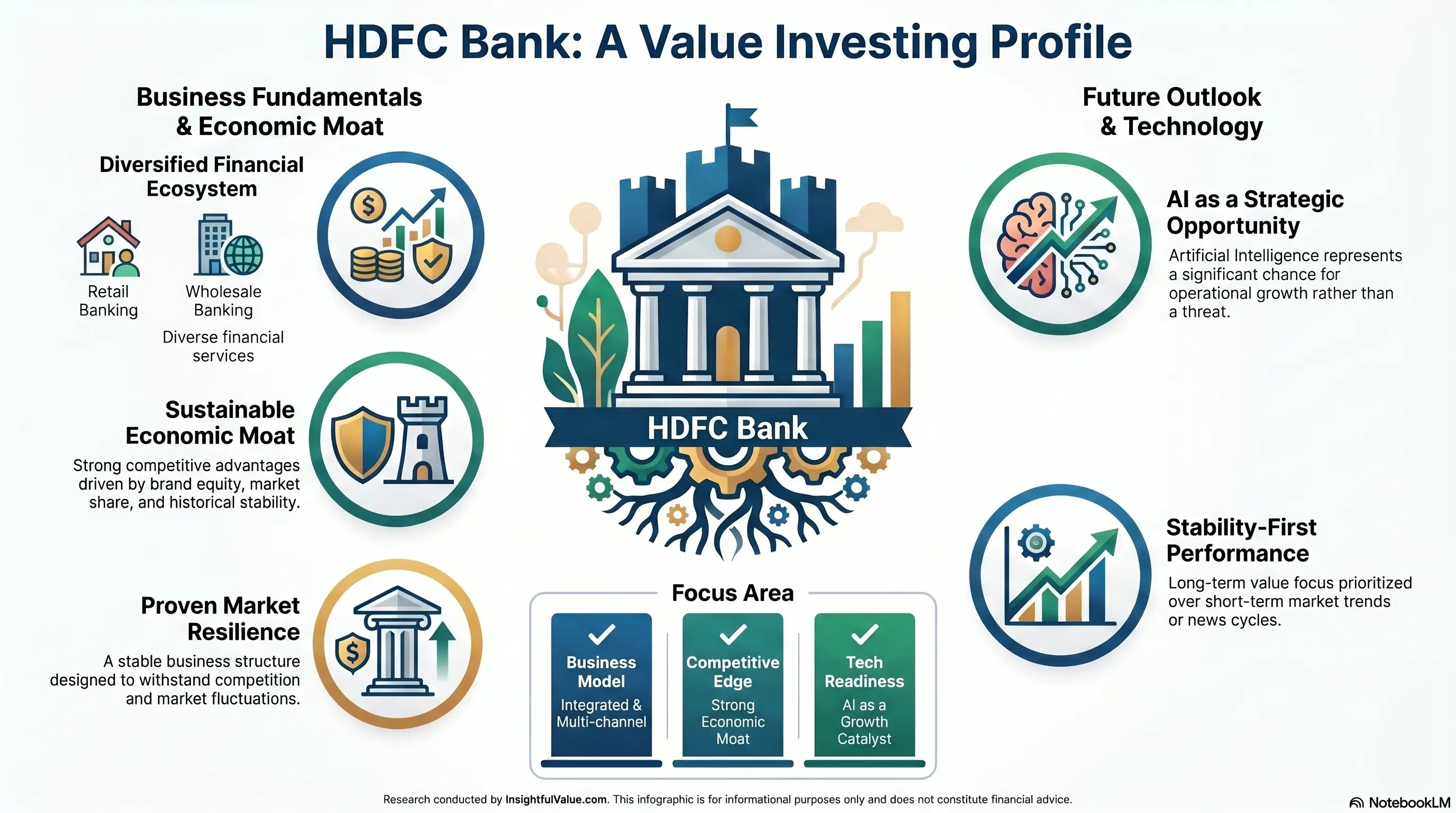
Infographic
Overview
HDFC Bank is one of the largest private sector banks in India, with a network of over 5,000 branches and 13,500 ATMs across the country. The bank was founded in 1994 and is headquartered in Mumbai. HDFC Bank offers a wide range of financial products and services including personal banking, corporate banking, and international banking.
The bank has a strong focus on technology and innovation, with services like online and mobile banking, digital wallets, and contactless payments. It also has a presence in several countries around the world, including the United States, United Kingdom, Singapore, Hong Kong, and Dubai.
For customers from abroad, HDFC Bank offers a variety of services to help manage their finances in India. This includes NRI banking, which allows non-resident Indians to open and manage bank accounts, investments, and loans in India. The bank also offers foreign currency accounts, remittance services, and foreign exchange services for individuals and businesses.
HDFC Bank has received numerous awards and recognition for its services, including being named the Best Bank in India by Euromoney and Best Managed Bank in India by The Asian Banker. The bank also has a strong commitment to corporate social responsibility, with initiatives focused on education, healthcare, and sustainable livelihoods.
Overall, HDFC Bank is a reputable and reliable bank for customers from abroad looking to manage their finances in India. With its extensive network, innovative services, and commitment to the community, it is a trusted choice for banking needs in India.
How to explain to a 10 year old kid about the company?

📈 Want to read more about HDFC Bank?
Sign up for free
or
log in
📘 Claim your free eBook: "The Checklist Value Investor — A Smarter Way to Pick Stocks"
SERGQyBCYW 5rIGlzIGEg YmlnIGNvbX BhbnkgaW4g SW5kaWEgdG hhdCBoZWxw cyBwZW9wbG UgYW5kIGJ1 c2luZXNzZX Mgd2l0aCB0 aGVpciBtb2 5leS4gVGhp bmsgb2YgaX QgbGlrZSBh IGJpZyBwaW dneSBiYW5r LCBidXQgd2 F5IGNvb2xl ciEgPGJyPl doYXQgSERG QyBCYW5rIG RvZXM6PGJy PjEuIDxzdH Jvbmc+S2Vl cGluZyBNb2 5leSBTYWZl PC9zdHJvbm c+OiBQZW9w bGUgY2FuIG 9wZW4gYmFu ayBhY2NvdW 50cyB0byBz YXZlIHRoZW lyIG1vbmV5 LiBUaGUgYm FuayBrZWVw cyBpdCBzYW ZlIGZvciB0 aGVtLjxicj 4gIDxicj4y LiA8c3Ryb2 5nPkxlbmRp bmcgTW9uZX k8L3N0cm9u Zz46IElmIH NvbWVvbmUg d2FudHMgdG 8gYnV5IGEg aG91c2UsIG EgY2FyLCBv ciBldmVuIH N0YXJ0IGEg YnVzaW5lc3 MsIHRoZXkg bWlnaHQgbm 90IGhhdmUg YWxsIHRoZS Btb25leSBu ZWVkZWQgcm lnaHQgYXdh eS4gSERGQy BCYW5rIGhl bHBzIGJ5IG dpdmluZyB0 aGVtIGEgbG 9hbiwgd2hp Y2ggaXMgbG lrZSBib3Jy b3dpbmcgbW 9uZXkgdGhh dCB0aGV5IH dpbGwgcGF5 IGJhY2sgd2 l0aCBhIGxp dHRsZSBleH RyYSBjYWxs ZWQgaW50ZX Jlc3QuPGJy PjMuIDxzdH Jvbmc+U2Vy dmljZXM8L3 N0cm9uZz46 IFRoZSBiYW 5rIGFsc28g b2ZmZXJzIG 90aGVyIHNl cnZpY2VzLC BsaWtlIGhl bHBpbmcgcG VvcGxlIG1h a2UgcGF5bW VudHMgdXNp bmcgY3JlZG l0IG9yIGRl Yml0IGNhcm RzLCBwcm92 aWRpbmcgaW 5zdXJhbmNl LCBhbmQgb2 ZmZXJpbmcg aW52ZXN0bW VudCBhZHZp Y2UuPGJyPk hvdyBIREZD IEJhbmsgbW FrZXMgbW9u ZXk6PGJyPi 0gV2hlbiBw ZW9wbGUgc2 F2ZSB0aGVp ciBtb25leS BpbiBhY2Nv dW50cywgdG hlIGJhbmsg cGF5cyB0aG VtIGEgbGl0 dGxlIGludG VyZXN0LiBC dXQgd2hlbi BpdCBsZW5k cyBvdXQgbW 9uZXksIGl0 IGNoYXJnZX MgYSBoaWdo ZXIgaW50ZX Jlc3QgcmF0 ZS4gVGhlIG RpZmZlcmVu Y2UgYmV0d2 VlbiB3aGF0 IGl0IHBheX MgdG8gc2F2 ZXJzIGFuZC B3aGF0IGl0 IGNoYXJnZX MgYm9ycm93 ZXJzIGlzIG hvdyB0aGUg YmFuayBtYW tlcyBwcm9m aXQuPGJyPi AgPGJyPi0g VGhlIGJhbm sgYWxzbyBl YXJucyBtb2 5leSBmcm9t IGZlZXMgZm 9yIGRpZmZl cmVudCBzZX J2aWNlcywg bGlrZSBhY2 NvdW50IG1h aW50ZW5hbm NlIG9yIHRy YW5zYWN0aW 9uIGNoYXJn ZXMuPGJyPl doeSBIREZD IEJhbmsgaX Mgc3VjY2Vz c2Z1bCBhbm Qgd2lsbCBz dGF5IHRoYX Qgd2F5Ojxi cj4xLiA8c3 Ryb25nPlRy dXN0PC9zdH Jvbmc+OiBQ ZW9wbGUgdH J1c3QgSERG QyBCYW5rIH RvIGtlZXAg dGhlaXIgbW 9uZXkgc2Fm ZSBhbmQgdG 8gaGVscCB0 aGVtIHdpdG ggdGhlaXIg ZmluYW5jaW FsIG5lZWRz Ljxicj4yLi A8c3Ryb25n Pkdvb2QgU2 VydmljZXM8 L3N0cm9uZz 46IFRoZXkg b2ZmZXIgYS B2YXJpZXR5 IG9mIHNlcn ZpY2VzLCBh bmQgdGhleS BtYWtlIGl0 IGVhc3kgZm 9yIGN1c3Rv bWVycyB0by BhY2Nlc3Mg dGhlaXIgbW 9uZXkgb3Ig Z2V0IGEgbG 9hbiwgbGlr ZSB0aHJvdW doIG1vYmls ZSBhcHBzIG FuZCBBVE1z Ljxicj4zLi A8c3Ryb25n PkV4cGVyaW VuY2U8L3N0 cm9uZz46IE hERkMgQmFu ayBoYXMgYm VlbiBhcm91 bmQgZm9yIG 1hbnkgeWVh cnMgYW5kIG tub3dzIGEg bG90IGFib3 V0IGhvdyB0 byBoYW5kbG UgbW9uZXkg YW5kIGN1c3 RvbWVyc+KA mSBuZWVkcy 48YnI+NC4g PHN0cm9uZz 5Hcm93dGg8 L3N0cm9uZz 46IEFzIG1v cmUgcGVvcG xlIGluIElu ZGlhIHN0YX J0IHRvIHVz ZSBiYW5rcy BhbmQgbmVl ZCBmaW5hbm NpYWwgc2Vy dmljZXMsIE hERkMgQmFu ayBpcyBncm 93aW5nIGFu ZCBhZGFwdG luZyB0byBt ZWV0IHRob3 NlIG5lZWRz LiA8YnI+SW 4gdGhlIGZ1 dHVyZSwgYX MgSW5kaWEg YmVjb21lcy Btb3JlIGRl dmVsb3BlZC BhbmQgbW9y ZSBwZW9wbG Ugd2FudCBi YW5raW5nIH NlcnZpY2Vz LCBIREZDIE Jhbmsgd2ls bCBsaWtlbH kgY29udGlu dWUgdG8gZ3 JvdyBhbmQg YmUgc3VjY2 Vzc2Z1bC48 YnI+
What is special about the company?
📈 Want to read more about HDFC Bank?
Sign up for free
or
log in
✍️ Sign up to get "The Checklist Value Investor — A Smarter Way to Pick Stocks" for free
MS4gTGFyZ2 VzdCBQcml2 YXRlIFNlY3 RvciBCYW5r OiBIREZDIE JhbmsgaXMg dGhlIGxhcm dlc3QgcHJp dmF0ZSBzZW N0b3IgYmFu ayBpbiBJbm RpYSBpbiB0 ZXJtcyBvZi BtYXJrZXQg Y2FwaXRhbG l6YXRpb24s IGN1c3RvbW VyIGJhc2Us IGFuZCBicm FuY2ggbmV0 d29yay48Yn I+Mi4gU3Ry b25nIEZpbm FuY2lhbCBQ ZXJmb3JtYW 5jZTogVGhl IGJhbmsgaG FzIGNvbnNp c3RlbnRseS BkaXNwbGF5 ZWQgc3Ryb2 5nIGZpbmFu Y2lhbCBwZX Jmb3JtYW5j ZSBvdmVyIH RoZSB5ZWFy cywgd2l0aC BoaWdoIHBy b2ZpdHMgYW 5kIGxvdyBu b24tcGVyZm 9ybWluZyBh c3NldHMgKE 5QQXMpLjxi cj4zLiBXaW RlIFJhbmdl IG9mIFNlcn ZpY2VzOiBI REZDIEJhbm sgb2ZmZXJz IGEgd2lkZS ByYW5nZSBv ZiBwcm9kdW N0cyBhbmQg c2VydmljZX MgaW5jbHVk aW5nIHJldG FpbCBiYW5r aW5nLCBjb3 Jwb3JhdGUg YmFua2luZy wgdHJlYXN1 cnksIGxvYW 5zLCBjcmVk aXQgJiBkZW JpdCBjYXJk cywgaW5zdX JhbmNlLCBh bmQgd2VhbH RoIG1hbmFn ZW1lbnQuPG JyPjQuIElu bm92YXRpdm UgVGVjaG5v bG9neTogVG hlIGJhbmsg aGFzIGJlZW 4gYSBwaW9u ZWVyIGluIG Fkb3B0aW5n IGFuZCBpbX BsZW1lbnRp bmcgY3V0dG luZy1lZGdl IHRlY2hub2 xvZ3kgdG8g aW1wcm92ZS BjdXN0b21l ciBleHBlcm llbmNlIGFu ZCBkZWxpdm VyIHNlYW1s ZXNzIGJhbm tpbmcgc2Vy dmljZXMuPG JyPjUuIEN1 c3RvbWVyLU NlbnRyaWMg QXBwcm9hY2 g6IEhERkMg QmFuayBoYX MgYSBzdHJv bmcgZm9jdX Mgb24gY3Vz dG9tZXIgc2 F0aXNmYWN0 aW9uIGFuZC BoYXMgYmVl biBjb25zaX N0ZW50bHkg cmFua2VkIG FzIG9uZSBv ZiB0aGUgYm VzdCBiYW5r cyBpbiBJbm RpYSBpbiB0 ZXJtcyBvZi BjdXN0b21l ciBzZXJ2aW NlLjxicj42 LiBFeHRlbn NpdmUgTmV0 d29yazogV2 l0aCBhIG5l dHdvcmsgb2 Ygb3ZlciA1 LDAwMCBicm FuY2hlcyBh bmQgMTMsNT AwIEFUTXMg YWNyb3NzIE luZGlhLCBI REZDIEJhbm sgaGFzIG9u ZSBvZiB0aG UgbGFyZ2Vz dCBhbmQgbW 9zdCB3aWRl c3ByZWFkIG Jhbmtpbmcg bmV0d29ya3 MgaW4gdGhl IGNvdW50cn kuPGJyPjcu IFN0cm9uZy BSaXNrIE1h bmFnZW1lbn QgUHJhY3Rp Y2VzOiBUaG UgYmFuayBo YXMgcm9idX N0IHJpc2sg bWFuYWdlbW VudCBwcmFj dGljZXMgaW 4gcGxhY2Us IHdoaWNoIG hhcyBoZWxw ZWQgaXQgbW FpbnRhaW4g YSBoZWFsdG h5IGxvYW4g cG9ydGZvbG lvIGFuZCBt aW5pbWl6ZS ByaXNrcy48 YnI+OC4gQX dhcmRzIGFu ZCBSZWNvZ2 5pdGlvbjog SERGQyBCYW 5rIGhhcyBi ZWVuIGNvbn Npc3RlbnRs eSByZWNvZ2 5pemVkIGFz IG9uZSBvZi B0aGUgYmVz dCBiYW5rcy BpbiBJbmRp YSBhbmQgaG FzIHdvbiBu dW1lcm91cy Bhd2FyZHMg Zm9yIGl0cy BwZXJmb3Jt YW5jZSwgY3 VzdG9tZXIg c2VydmljZS wgYW5kIGlu bm92YXRpb2 4uPGJyPjku IENTUiBJbm l0aWF0aXZl czogVGhlIG JhbmsgaXMg YWN0aXZlbH kgZW5nYWdl ZCBpbiB2YX Jpb3VzIENv cnBvcmF0ZS BTb2NpYWwg UmVzcG9uc2 liaWxpdHkg KENTUikgaW 5pdGlhdGl2 ZXMgaW4gdG hlIGFyZWFz IG9mIGVkdW NhdGlvbiwg aGVhbHRoY2 FyZSwgYW5k IHJ1cmFsIG RldmVsb3Bt ZW50LCBtYW tpbmcgYSBw b3NpdGl2ZS BpbXBhY3Qg b24gc29jaW V0eS48YnI+ MTAuIFN0cm 9uZyBMZWFk ZXJzaGlwOi BUaGUgYmFu ayBoYXMgYS BzdHJvbmcg YW5kIGV4cG VyaWVuY2Vk IGxlYWRlcn NoaXAgdGVh bSwgd2hpY2 ggaGFzIGJl ZW4gaW5zdH J1bWVudGFs IGluIGRyaX ZpbmcgdGhl IHN1Y2Nlc3 MgYW5kIGdy b3d0aCBvZi B0aGUgY29t cGFueS4=
What the company's business model?
📈 Want to read more about HDFC Bank?
Sign up for free
or
log in
✍️ Sign up to get "The Checklist Value Investor — A Smarter Way to Pick Stocks" for free
SERGQyBCYW 5rIGlzIGFu IEluZGlhbi BtdWx0aW5h dGlvbmFsIG Jhbmtpbmcg YW5kIGZpbm FuY2lhbCBz ZXJ2aWNlcy Bjb21wYW55 IGhlYWRxdW FydGVyZWQg aW4gTXVtYm FpLCBJbmRp YS4gSXQgaX MgdGhlIGxh cmdlc3QgcH JpdmF0ZSBz ZWN0b3IgYm FuayBpbiBJ bmRpYSBpbi B0ZXJtcyBv ZiBhc3NldH MgYW5kIG1h cmtldCBjYX BpdGFsaXph dGlvbi48Yn I+VGhlIGJh bmsncyBidX NpbmVzcyBt b2RlbCBpcy BwcmltYXJp bHkgZm9jdX NlZCBvbiBw cm92aWRpbm cgYmFua2lu ZyBhbmQgZm luYW5jaWFs IHNlcnZpY2 VzIHRvIGlu ZGl2aWR1YW xzIGFuZCBi dXNpbmVzc2 VzIGluIElu ZGlhLiBTb2 1lIG9mIHRo ZSBrZXkgZW xlbWVudHMg b2YgdGhlaX IgYnVzaW5l c3MgbW9kZW wgaW5jbHVk ZTo8YnI+MS 4gUmV0YWls IEJhbmtpbm c6IEhERkMg QmFuayBvZm ZlcnMgYSB3 aWRlIHJhbm dlIG9mIHJl dGFpbCBiYW 5raW5nIHNl cnZpY2VzIH N1Y2ggYXMg c2F2aW5ncy BhbmQgY3Vy cmVudCBhY2 NvdW50cywg Zml4ZWQgZG Vwb3NpdHMs IGxvYW5zLC BjcmVkaXQg Y2FyZHMsIG FuZCBpbnN1 cmFuY2UgcH JvZHVjdHMg dG8gaW5kaX ZpZHVhbHMg YW5kIHNtYW xsIGJ1c2lu ZXNzZXMuPG JyPjIuIENv cnBvcmF0ZS BCYW5raW5n OiBUaGUgYm FuayBwcm92 aWRlcyBhIH ZhcmlldHkg b2YgY29ycG 9yYXRlIGJh bmtpbmcgc2 VydmljZXMg aW5jbHVkaW 5nIGNvcnBv cmF0ZSBsb2 FucywgdHJh ZGUgZmluYW 5jZSwgY2Fz aCBtYW5hZ2 VtZW50LCBh bmQgdHJlYX N1cnkgc2Vy dmljZXMgdG 8gbGFyZ2Ug YW5kIG1pZC 1zaXplZCBj b21wYW5pZX MuPGJyPjMu IFdob2xlc2 FsZSBCYW5r aW5nOiBIRE ZDIEJhbmsg YWxzbyBvZm ZlcnMgYSBy YW5nZSBvZi B3aG9sZXNh bGUgYmFua2 luZyBzZXJ2 aWNlcyB0by BpbnN0aXR1 dGlvbmFsIG NsaWVudHMs IGluY2x1ZG luZyBnb3Zl cm5tZW50IG FuZCBzZW1p LWdvdmVybm 1lbnQgb3Jn YW5pemF0aW 9ucywgcHVi bGljIHNlY3 RvciBjb21w YW5pZXMsIG FuZCBtdWx0 aW5hdGlvbm FsIGNvcnBv cmF0aW9ucy 48YnI+NC4g RGlnaXRhbC BCYW5raW5n OiBUaGUgYm FuayBoYXMg aW52ZXN0ZW QgaGVhdmls eSBpbiBkaW dpdGFsIHRl Y2hub2xvZ3 kgdG8gcHJv dmlkZSBpdH MgY3VzdG9t ZXJzIHdpdG ggYSBzZWFt bGVzcyBhbm QgY29udmVu aWVudCBiYW 5raW5nIGV4 cGVyaWVuY2 UgdGhyb3Vn aCBtb2JpbG UgYW5kIGlu dGVybmV0IG Jhbmtpbmcs IG9ubGluZS BwYXltZW50 IHNvbHV0aW 9ucywgYW5k IHNvY2lhbC BtZWRpYSBi YW5raW5nLj xicj41LiBO b24tQmFua2 luZyBGaW5h bmNpYWwgU2 VydmljZXM6 IEhERkMgQm FuayBhbHNv IG9mZmVycy Bub24tYmFu a2luZyBmaW 5hbmNpYWwg c2VydmljZX Mgc3VjaCBh cyB3ZWFsdG ggbWFuYWdl bWVudCwgaW 5zdXJhbmNl LCBhbmQgbX V0dWFsIGZ1 bmRzIHRvIG l0cyBjdXN0 b21lcnMuPG JyPjYuIElu dGVybmF0aW 9uYWwgT3Bl cmF0aW9ucz ogVGhlIGJh bmsgaGFzIG EgcHJlc2Vu Y2UgaW4gbW FueSBjb3Vu dHJpZXMsIG luY2x1ZGlu ZyBCYWhyYW luLCBIb25n IEtvbmcsIG FuZCBEdWJh aSwgcHJvdm lkaW5nIHNl cnZpY2VzIH RvIG5vbi1y ZXNpZGVudC BJbmRpYW5z IGFuZCBmb3 JlaWduIGN1 c3RvbWVycy 48YnI+Ny4g RGl2ZXJzaW ZpZWQgUmV2 ZW51ZSBTdH JlYW1zOiBI REZDIEJhbm sgaGFzIGEg ZGl2ZXJzaW ZpZWQgYnVz aW5lc3MgbW 9kZWwsIHdp dGggbXVsdG lwbGUgc291 cmNlcyBvZi ByZXZlbnVl LCBpbmNsdW RpbmcgaW50 ZXJlc3QgaW 5jb21lLCBm ZWVzIGFuZC Bjb21taXNz aW9ucywgYW 5kIGZvcmVp Z24gZXhjaG FuZ2UgaW5j b21lLjxicj 5PdmVyYWxs LCBIREZDIE JhbmsncyBi dXNpbmVzcy Btb2RlbCBp cyBiYXNlZC BvbiBwcm92 aWRpbmcgYS B3aWRlIHJh bmdlIG9mIG ZpbmFuY2lh bCBzZXJ2aW NlcyB0byBp dHMgY3VzdG 9tZXJzLCBs ZXZlcmFnaW 5nIHRlY2hu b2xvZ3ksIG FuZCBleHBh bmRpbmcgaX RzIHByZXNl bmNlIGdsb2 JhbGx5IHRv IGRyaXZlIG dyb3d0aCBh bmQgcHJvZm l0YWJpbGl0 eS4=
Is AI a threat?
AI presents both opportunities and challenges for HDFC Bank, affecting its products, services, and competitive positioning.
Substitution: AI can enhance or replace certain banking services. For instance, chatbots and automated customer service tools can perform functions traditionally handled by bank representatives, potentially leading to a reduction in demand for humadriven customer support. This shift may push HDFC Bank to innovate and adopt AI technologies to stay competitive.
Disintermediation: The rise of fintech companies utilizing AI for streamlined services can introduce disintermediation. These companies might bypass traditional banking models by offering direct services such as lending, payments, or investment management using algorithms that streamline processes. HDFC Bank will need to respond by integrating AI and digitization into its offerings to retain customers and prevent potential loss of market share.
Margin Pressure: As AI enables more efficient operations and allows for lower-cost alternatives, traditional banks like HDFC Bank could face pressure on their margins. Competitors using AI may be able to offer lower fees or better rates to customers. To counteract this, HDFC Bank might have to invest in AI technologies to reduce costs and improve customer experiences while maintaining competitive pricing.
In summary, while AI poses potential threats through substitution, disintermediation, and margin pressure, it also provides opportunities for improvement and innovation. HDFC Bank’s ability to leverage AI effectively will be crucial in navigating these challenges and maintaining its competitive position in the market.
Sensitivity to interest rates
HDFC Bank’s earnings, cash flow, and valuation can be significantly sensitive to changes in interest rates due to several interconnected factors:
1. Interest Income: As a major component of HDFC Bank’s revenue, interest income is directly affected by changes in interest rates. A rise in interest rates typically leads to higher yields on loans, which can enhance earnings in the short term. However, if rates increase too much, it may lead to a decline in loan demand, thereby impacting future earnings.
2. Net Interest Margin (NIM): The spread between the interest earned on loans and the interest paid on deposits is vital for the bank’s profitability. Fluctuating interest rates can compress or expand this margin. An increase in the cost of funds (deposits) not matched by rising loan rates could squeeze NIM, negatively impacting earnings.
3. Asset Quality: Higher interest rates can lead to increased borrowing costs for customers, potentially resulting in higher default rates. This would adversely impact cash flow as provisioning for bad loans may increase, leading to higher expenses and reduced net income.
4. Loan Portfolio Composition: HDFC Bank has a diverse loan portfolio with varying levels of sensitivity to interest rate changes. Consumer loans, for instance, may react differently compared to corporate loans. Changes in interest rates can thus have heterogeneous impacts on the overall cash flows depending on the asset mix.
5. Valuation Metrics: Interest rate changes influence valuation through their effect on discounted cash flow models. Higher interest rates generally lead to higher discount rates, reducing the present value of future cash flows, which can negatively impact the bank’s overall valuation.
6. Market Perception: Broader market perceptions regarding interest rates can also influence HDFC Bank’s stock performance. If investors anticipate future rate hikes, it may lead to selling pressure, affecting share price valuations.
In summary, the sensitivity of HDFC Bank’s earnings, cash flow, and valuation to interest rate changes is substantial. The net effect depends on the magnitude and direction of the rate changes, market conditions, and the bank’s overall financial management strategies.
Resilience to the future changes
📈 Want to read more about HDFC Bank?
Sign up for free
or
log in
✍️ Sign up to get "The Checklist Value Investor — A Smarter Way to Pick Stocks" for free
QSByZWFsaX N0aWMgc2Nl bmFyaW8gdG hhdCBjb3Vs ZCBwZXJtYW 5lbnRseSBp bXBhaXIgSE RGQyBCYW5r 4oCZcyBlY2 9ub21pY3Mg b3ZlciB0aG UgbmV4dCAz 4oCTNSB5ZW FycyBpbnZv bHZlcyBhIH NpZ25pZmlj YW50IGVjb2 5vbWljIGRv d250dXJuIG luIEluZGlh LCB0cmlnZ2 VyZWQgYnkg YSBjb21iaW 5hdGlvbiBv ZiBmYWN0b3 JzIHN1Y2gg YXMgaGlnaC BpbmZsYXRp b24sIHJpc2 luZyBpbnRl cmVzdCByYX RlcywgYW5k IGEgZGVjbG luZSBpbiBj b25zdW1lci BhbmQgYnVz aW5lc3MgY2 9uZmlkZW5j ZS4gVGhpcy BzY2VuYXJp byBjb3VsZC BiZSBleGFj ZXJiYXRlZC BieSBhIHdv cnNlbmluZy BvZiBhc3Nl dCBxdWFsaX R5IGFzIGEg cmVzdWx0IG 9mIHJpc2lu ZyBkZWZhdW x0cyBpbiBi b3RoIHJldG FpbCBhbmQg Y29ycG9yYX RlIHNlY3Rv cnMsIGluZm x1ZW5jZWQg YnkgZXh0ZX JuYWwgZmFj dG9ycyBsaW tlIGEgZ2xv YmFsIHJlY2 Vzc2lvbiBv ciBkb21lc3 RpYyBwb2xp Y3kgbWlzc3 RlcHMuPGJy PkluIHRoaX Mgc2NlbmFy aW8sIEhERk MgQmFuayB3 b3VsZCBsaW tlbHkgZXhw ZXJpZW5jZS BhIGRlY2xp bmUgaW4gbm V0IGludGVy ZXN0IG1hcm dpbnMgZHVl IHRvIGluY3 JlYXNlZCBj b21wZXRpdG lvbiBhbmQg dGhlIG5lZW QgdG8gb2Zm ZXIgaGlnaG VyIGludGVy ZXN0IHJhdG VzIHRvIGF0 dHJhY3QgYW 5kIHJldGFp biBkZXBvc2 l0cy4gTG9h biBncm93dG ggbWF5IHN0 YWduYXRlIG FzIGJ1c2lu ZXNzZXMgcH VsbCBiYWNr IG9uIGJvcn Jvd2luZyBk dWUgdG8gZW Nvbm9taWMg dW5jZXJ0YW ludHksIHdo aWxlIGNvbn N1bWVyIHNw ZW5kaW5nIH dvdWxkIGFs c28gZGVjcm Vhc2UsIGFm ZmVjdGluZy ByZXRhaWwg bGVuZGluZy 48YnI+QXMg bm9wZXJmb3 JtaW5nIGFz c2V0cyAoTl BBcykgcmlz ZSBkdWUgdG 8gZGVmYXVs dHMsIHRoZS BiYW5rIHdv dWxkIGhhdm UgdG8gaW5j cmVhc2UgaX RzIHByb3Zp c2lvbiBjb3 ZlcmFnZSBy YXRpbywgd2 hpY2ggd291 bGQgYWR2ZX JzZWx5IGlt cGFjdCBwcm 9maXRhYmls aXR5LiBPcG VyYXRpbmcg ZXhwZW5zZX MgbWF5IG5v dCBkZWNyZW FzZSBwcm9w b3J0aW9uYX RlbHkgZHVl IHRvIGZpeG VkIGNvc3Rz IGFzc29jaW F0ZWQgd2l0 aCBtYWludG FpbmluZyBi cmFuY2ggbm V0d29ya3Mg YW5kIHRlY2 hub2xvZ3kg aW5mcmFzdH J1Y3R1cmVz LCBsZWFkaW 5nIHRvIGhp Z2hlciBjb3 N0LXRvLWlu Y29tZSByYX Rpb3MuPGJy PkNhc2ggZm xvdyB3b3Vs ZCBiZSBuZW dhdGl2ZWx5 IGluZmx1ZW 5jZWQgYXMg bG93ZXIgbW FyZ2lucyBh bmQgaW5jcm Vhc2VkIHBy b3Zpc2lvbn MgcmVkdWNl IG5ldCBlYX JuaW5ncy4g VGhpcyBkZW NsaW5lIGlu IGNhc2ggZm xvdyBjb3Vs ZCBsaW1pdC B0aGUgYmFu a+KAmXMgYW JpbGl0eSB0 byByZWludm VzdCBpbiBn cm93dGggaW 5pdGlhdGl2 ZXMsIHBheS BkaXZpZGVu ZHMsIG9yIH JldHVybiBj YXBpdGFsIH RvIHNoYXJl aG9sZGVycy 4gRnVydGhl cm1vcmUsIG lmIHRoZSBl Y29ub21pYy BzaXR1YXRp b24gcGVyc2 lzdHMsIGlu dmVzdG9yIG NvbmZpZGVu Y2UgY291bG QgZXJvZGUs IHJlc3VsdG luZyBpbiBs b3dlciBzdG 9jayBwcmlj ZXMgYW5kIG luY3JlYXNl ZCBjb3N0IG 9mIGNhcGl0 YWwuPGJyPk 9uIHRoZSBi YWxhbmNlIH NoZWV0LCB0 aGUgcmlzZS BpbiBOUEFz IHdvdWxkIG xlYWQgdG8g YSBkZXRlcm lvcmF0aW9u IGluIGFzc2 V0IHF1YWxp dHkgcmF0aW 9zLCB3aGlj aCBjb3VsZC BwcmVzc3Vy ZSB0aGUgYm Fua+KAmXMg Y2FwaXRhbC BhZGVxdWFj eSByYXRpb3 MuIFdpdGgg aW5jcmVhc2 VkIHByb3Zp c2lvbnMsIH JldGFpbmVk IGVhcm5pbm dzIG1pZ2h0 IGRlY2xpbm UsIHBvdGVu dGlhbGx5IG xlYWRpbmcg dG8gYW4gZX Jvc2lvbiBv ZiB0aGUgYm Fua+KAmXMg VGllciAxIG NhcGl0YWwu IFRoaXMgd2 Vha2VuZWQg Y2FwaXRhbC Bwb3NpdGlv biBjb3VsZC BtYWtlIGl0 IGNoYWxsZW 5naW5nIGZv ciBIREZDIE JhbmsgdG8g bWVldCByZW d1bGF0b3J5 IHJlcXVpcm VtZW50cyBv ciBwdXJzdW UgZXhwYW5z aW9uIG9wcG 9ydHVuaXRp ZXMuPGJyPk 92ZXJhbGws IGlmIHRoaX Mgc2NlbmFy aW8gd2VyZS B0byBtYXRl cmlhbGl6ZS wgSERGQyBC YW5rIHdvdW xkIGxpa2Vs eSBmYWNlIH JlZHVjZWQg cHJvZml0YW JpbGl0eSwg Y29uc3RyYW luZWQgY2Fz aCBmbG93LC BhbmQgZGV0 ZXJpb3JhdG VkIGJhbGFu Y2Ugc2hlZX QgbWV0cmlj cywgdWx0aW 1hdGVseSBp bXBhaXJpbm cgaXRzIGxv bmctdGVybS BlY29ub21p YyB2aWFiaW xpdHkuIFRo ZSByaXBwbG UgZWZmZWN0 cyBvZiBhIH Byb2xvbmdl ZCBlY29ub2 1pYyBkb3du dHVybiBjb3 VsZCBlc3Rh Ymxpc2ggbG FzdGluZyBj aGFuZ2VzIG luIGl0cyBv cGVyYXRpb2 5hbCBzb2xp ZGl0eSBhbm QgY29tcGV0 aXRpdmUgcG 9zaXRpb25p bmcgaW4gdG hlIGZpbmFu Y2lhbCBzZW N0b3IuPGJy Pg==
Interesting facts about the company
📈 Want to read more about HDFC Bank?
Sign up for free
or
log in
⚡ Instantly access "The Checklist Value Investor — A Smarter Way to Pick Stocks" — free!
CiAgICAgIC AgICAgIDxk aXYgc3R5bG U9J3dpZHRo OiAxMDAlOy BkaXNwbGF5 OiBmbGV4Oy BqdXN0aWZ5 LWNvbnRlbn Q6IGNlbnRl cjsnPgogIC AgICAgICAg ICAgICAgPG RpdiBzdHls ZT0nCiAgIC AgICAgICAg ICAgICAgIC AgZGlzcGxh eTogZmxleD sKICAgICAg ICAgICAgIC AgICAgICBh bGlnbi1pdG VtczogY2Vu dGVyOwogIC AgICAgICAg ICAgICAgIC AgIGJhY2tn cm91bmQtY2 9sb3I6ICNm MGY0Zjg7Ci AgICAgICAg ICAgICAgIC AgICAgYm9y ZGVyOiAxcH ggc29saWQg I2QxZTNmMD sKICAgICAg ICAgICAgIC AgICAgICBi b3JkZXItcm FkaXVzOiAx MHB4OwogIC AgICAgICAg ICAgICAgIC AgIHBhZGRp bmc6IDEwcH g7CiAgICAg ICAgICAgIC AgICAgICAg bWFyZ2luOi AyMHB4IDA7 CiAgICAgIC AgICAgICAg ICAgICAgZm 9udC1mYW1p bHk6ICJTZW dvZSBVSSIs IFJvYm90by wgc2Fucy1z ZXJpZjsKIC AgICAgICAg ICAgICAgIC AgICBib3gt c2hhZG93Oi AwIDJweCA2 cHggcmdiYS gwLCAwLCAw LCAwLjA1KT sKICAgICAg ICAgICAgIC AgICAgICBt YXgtd2lkdG g6IDkwMHB4 OwogICAgIC AgICAgICAg ICAgICAgIH dpZHRoOiAx MDAlOyc+Cg ogICAgICAg ICAgICAgIC AgICAgIDxp bWcgc3JjPS Jhc3NldHMv bG9nb3MvM1 BPVjRQa1lj R3MwVFRpMz EwcFAud2Vi cCIgYWx0PS JIREZDIEJh bmsiIHRpdG xlPSJIREZD IEJhbmsiIC BjbGFzcz0i aW1nLWZsdW lkIiBoZWln aHQ9NTAgd2 lkdGg9NTAg bG9hZGluZz 0nbGF6eScg c3R5bGU9J2 JvcmRlci1y YWRpdXM6ID ZweDsnPgoK ICAgICAgIC AgICAgICAg ICAgICA8ZG l2IHN0eWxl PSdmbGV4Oi AxOyB0ZXh0 LWFsaWduOi BjZW50ZXI7 IG1hcmdpbi 1sZWZ0OiA1 cHg7Jz4KIC AgICAgICAg ICAgICAgIC AgICAgICAg PHAgc3R5bG U9J2ZvbnQt c2l6ZTogMj ZweDsgY29s b3I6ICMzMz M7IG1hcmdp bi1ib3R0b2 06IDE1cHg7 Jz4KICAgIC AgICAgICAg ICAgICAgIC AgICAgICAg IPCfk4ggV2 FudCB0byBy ZWFkIG1vcm UgYWJvdXQg SERGQyBCYW 5rPwogICAg ICAgICAgIC AgICAgICAg ICAgICA8L3 A+CgogICAg ICAgICAgIC AgICAgICAg ICAgICA8YS BocmVmPSdp bmRleC5waH A/cGFnZT1z aWdudXAnIH N0eWxlPScK ICAgICAgIC AgICAgICAg ICAgICAgIC AgICAgIGJh Y2tncm91bm QtY29sb3I6 ICMwMDdCRk Y7CiAgICAg ICAgICAgIC AgICAgICAg ICAgICAgIC Bjb2xvcjog I2ZmZjsKIC AgICAgICAg ICAgICAgIC AgICAgICAg ICAgIHBhZG Rpbmc6IDEw cHggMjBweD sKICAgICAg ICAgICAgIC AgICAgICAg ICAgICAgIG JvcmRlci1y YWRpdXM6ID VweDsKICAg ICAgICAgIC AgICAgICAg ICAgICAgIC AgIHRleHQt ZGVjb3JhdG lvbjogbm9u ZTsKICAgIC AgICAgICAg ICAgICAgIC AgICAgICAg IGZvbnQtd2 VpZ2h0OiBi b2xkOwogIC AgICAgICAg ICAgICAgIC AgICAgICAg ICAgbWFyZ2 luLXJpZ2h0 OiAxMHB4Ow ogICAgICAg ICAgICAgIC AgICAgICAg ICAgICAgdH JhbnNpdGlv bjogYmFja2 dyb3VuZC1j b2xvciAwLj NzIGVhc2U7 JwogICAgIC AgICAgICAg ICAgICAgIC AgICAgICAg b25tb3VzZW 92ZXI9J3Ro aXMuc3R5bG UuYmFja2dy b3VuZENvbG 9yPSIjMDA1 NmIzIicKIC AgICAgICAg ICAgICAgIC AgICAgICAg ICAgIG9ubW 91c2VvdXQ9 J3RoaXMuc3 R5bGUuYmFj a2dyb3VuZE NvbG9yPSIj MDA3QkZGIi c+CiAgICAg ICAgICAgIC AgICAgICAg ICAgICAgIC BTaWduIHVw IGZvciBmcm VlCiAgICAg ICAgICAgIC AgICAgICAg ICAgIDwvYT 4KCiAgICAg ICAgICAgIC AgICAgICAg ICAgIDxzcG FuIHN0eWxl PSdtYXJnaW 46IDAgOHB4 OyBjb2xvcj ogIzU1NTsn Pm9yPC9zcG FuPgoKICAg ICAgICAgIC AgICAgICAg ICAgICAgPG EgaHJlZj0n aW5kZXgucG hwP3BhZ2U9 bG9naW4nIH N0eWxlPScK ICAgICAgIC AgICAgICAg ICAgICAgIC AgICAgIGNv bG9yOiAjMD A3QkZGOwog ICAgICAgIC AgICAgICAg ICAgICAgIC AgICAgdGV4 dC1kZWNvcm F0aW9uOiB1 bmRlcmxpbm U7CiAgICAg ICAgICAgIC AgICAgICAg ICAgICAgIC Bmb250LXdl aWdodDogNT AwOyc+CiAg ICAgICAgIC AgICAgICAg ICAgICAgIC AgICBsb2cg aW4KICAgIC AgICAgICAg ICAgICAgIC AgICAgPC9h PgoKCiAgIC AgICAgICAg ICAgICAgIC AgICAgIDxw IHN0eWxlPS dtYXJnaW4t dG9wOiAxNX B4OyBmb250 LXNpemU6ID EzcHg7IGZv bnQtd2VpZ2 h0OiBib2xk OyBjb2xvcj ogI2QzMmYy ZjsnPgogIC AgICAgICAg ICAgICAgIC AgICAgICAg ICAg8J+Tli BHZXQgaW5z aWdodHMgZn JvbSA8aT4i VGhlIENoZW NrbGlzdCBW YWx1ZSBJbn Zlc3RvciDi gJQgQSBTbW FydGVyIFdh eSB0byBQaW NrIFN0b2Nr cyI8L2k+IG 5vdyEKICAg ICAgICAgIC AgICAgICAg ICAgICAgPC 9wPgoKICAg ICAgICAgIC AgICAgICAg ICAgICAgPC EtLQogICAg ICAgICAgIC AgICAgICAg ICAgICA8ZG l2IHN0eWxl PSdtYXJnaW 4tdG9wOiAx MnB4OyBmb2 50LXNpemU6 IDEzcHg7IG NvbG9yOiAj NDQ0Oyc+Ci AgICAgICAg ICAgICAgIC AgICAgICAg ICAgICBTaW duIHVwIG5v dyBhbmQgZ2 V0IG91ciBm cmVlIGVCb2 9rIAogICAg ICAgICAgIC AgICAgICAg ICAgICAgIC AgPGI+VGhl IENoZWNrbG lzdCBWYWx1 ZSBJbnZlc3 RvciDigJQg QSBTbWFydG VyIFdheSB0 byBQaWNrIF N0b2Nrczwv Yj4KICAgIC AgICAgICAg ICAgICAgIC AgICAgPC9k aXY+CiAgIC AgICAgICAg ICAgICAgIC AgICAgIC0t PgogICAgIC AgICAgICAg ICAgICAgIC AgICA8IS0t CiAgICAgIC AgICAgICAg ICAgICAgIC AgIDxkaXYg c3R5bGU9J2 1hcmdpbi10 b3A6IDE2cH g7IGZvbnQt c2l6ZTogMT RweDsgY29s b3I6ICM0ND Q7IGZvbnQt ZmFtaWx5Oi AtYXBwbGUt c3lzdGVtLC BCbGlua01h Y1N5c3RlbU ZvbnQsIFNl Z29lIFVJLC BSb2JvdG8s IEhlbHZldG ljYSBOZXVl LCBzYW5zLX NlcmlmOyBs aW5lLWhlaW dodDogMS42 Oyc+CiAgIC AgICAgICAg ICAgICAgIC AgICAgICAg ICBIYXZlIH lvdSBoZWFy ZCBhYm91dC BvdXIgc2hv cnQgPHN0cm 9uZyBzdHls ZT0nZm9udC 13ZWlnaHQ6 IDYwMDsnPk RhaWx5IFZp ZGVvIE5ld3 NsZXR0ZXI8 L3N0cm9uZz 4/CiAgICAg ICAgICAgIC AgICAgICAg ICAgICAgIC A8YSBocmVm PSdodHRwcz ovL3d3dy5p bnNpZ2h0Zn VsdmFsdWUu Y29tL25ld3 NsZXR0ZXIu cGhwJyB0YX JnZXQ9J19i bGFuaycgc3 R5bGU9J2Nv bG9yOiAjMD A3QkZGOyB0 ZXh0LWRlY2 9yYXRpb246 IG5vbmU7IG ZvbnQtd2Vp Z2h0OiA1MD A7IG1hcmdp bi1sZWZ0Oi A2cHg7Jz4K ICAgICAgIC AgICAgICAg ICAgICAgIC AgICAgICAg ICBGaW5kIG 91dCBtb3Jl CiAgICAgIC AgICAgICAg ICAgICAgIC AgICAgICA8 L2E+CiAgIC AgICAgICAg ICAgICAgIC AgICAgIDwv ZGl2PgogIC AgICAgICAg ICAgICAgIC AgICAgICAt LT4KICAgIC AgICAgICAg ICAgICAgIC A8L2Rpdj4K ICAgICAgIC AgICAgICAg IDwvZGl2Pg ogICAgICAg ICAgICA8L2 Rpdj4KICAg ICAgICAgIC AgCiAgICAg ICAgCiAgIC AgICAgPHNw YW4gY2xhc3 M9J2JsdXJy ZWQtdGV4dC c+CiAgICAg ICAgICAgIE 1TNGdTRVJH UXkgQkNZVz VySUdseiBJ SFJvWlNCc1 lYIEpuWlhO MElIQnkgYV haaGRHVWdj MiBWamRHOX lJR0poIGJt c2dhVzRnU1 cgNWthV0Vn YVc0ZyBkR1 Z5YlhNZ2Iy IFlnYldGeW EyVjAgSUdO aGNHbDBZVy B4cGVtRjBh Vzl1IElHRn pJRzltSUQg SXdNakV1UE dKeSBQakl1 SUZSb1pTIE JpWVc1cklI ZGggY3lCbW IzVnVaRyBW a0lHbHVJRE U1IE9UUWdZ VzVrSUcgbD BjeUJvWldG ayBjWFZoY2 5SbGNuIE1n WVhKbElHeH YgWTJGMFpX UWdhVyA0Z1 RYVnRZbUZw IExDQk5ZV2 hoY20gRnph SFJ5WVM0OC BZbkkrTXk0 Z1ZHIGhsSU dKaGJtc2cg ZDJGeklIUm 9aUyBCbWFY SnpkQ0J3IG NtbDJZWFJs SUggTmxZM1 J2Y2lCaSBZ VzVySUhSdk lHIEpsSUdG MWRHaHYgY2 1sNlpXUWdZ biBrZ2RHaG xJRkpsIGMy VnlkbVVnUW 0gRnVheUJ2 WmlCSiBibV JwWVNBb1Vr IEpKS1NCMG J5QmwgYzNS aFlteHBjMi BnZ1lTQndj bWwyIFlYUm xJSE5sWTMg UnZjaUJpWV c1ciBJR2x1 SUVsdVpHIG xoTGp4aWNq NDAgTGlCSV JFWkRJRSBK aGJtc2dhR0 Z6IElHRWdj SEpsYzIgVn VZMlVnYVc0 ZyBiM1psY2 lBeUxEIGd3 TUNCamFYUn AgWlhNZ1lX NWtJSCBSdm QyNXpJR2x1 IElFbHVaR2 xoSUcgRnVa Q0JvWVhNZy BiM1psY2lB MUxEIFF3TU NCaWNtRnUg WTJobGN5Qm hibSBRZ01U WXNOekF3IE lFRlVUWE11 UEcgSnlQal V1SUZSbyBa U0JpWVc1ck lHIGx6SUdF Z2NHRnkgZE NCdlppQjBh RyBVZ1NHOT FjMmx1IFp5 QkVaWFpsYk cgOXdiV1Z1 ZENCRyBhVz VoYm1ObElF IE52Y25Cdm NtRjAgYVc5 dUlDaElSRS BaREtTQkhj bTkxIGNDd2 dkMmhwWTIg Z2dhWE1nWV NCcyBaV0Zr YVc1bklHIG h2ZFhOcGJt Y2cgWm1sdV lXNWpaUyBC amIyMXdZVz U1IElHbHVJ RWx1WkcgbG hManhpY2o0 MiBMaUJJUk VaRElFIEpo Ym1zZ2IyWm 0gWlhKeklH RWdkMiBsa1 pTQnlZVzVu IFpTQnZaaU JpWVcgNXJh VzVuSUhCeS BiMlIxWTNS eklHIEZ1Wk NCelpYSjIg YVdObGN5d2 dhVyA1amJI VmthVzVuIE lISmxkR0Zw YkMgQmlZVz VyYVc1biBM Q0IzYUc5c1 pYIE5oYkdV Z1ltRnUgYT JsdVp5d2dk SCBKbFlYTj FjbmtzIElH eHZZVzV6TE MgQmhibVFn WTNKbCBaR2 wwSUdOaGNt IFJ6TGp4aW NqNDMgTGlC QmN5QnZaaS BBeU1ESXhM Q0JJIFJFWk RJRUpoYm0g c2dhR0Z6SU c5MiBaWEln TVRJd0xEIE F3TUNCbGJY QnMgYjNsbF pYTXNJRyAx aGEybHVaeU JwIGRDQnZi bVVnYjIgWW dkR2hsSUd4 aCBjbWRsYz NRZ1pXIDF3 Ykc5NVpYSn ogSUdsdUlI Um9aUyBCaV lXNXJhVzVu IElITmxZM1 J2Y2kgQnBi aUJKYm1ScC BZUzQ4WW5J K09DIDRnU1 c0Z01qQXgg TWl3Z1NFUk dReSBCQ1lX NXJJSGRoIG N5QjBhR1Vn Wm0gbHljM1 FnU1c1ayBh V0Z1SUdKaG JtIHNnZEc4 Z1ltVWcgYk dsemRHVmtJ RyA5dUlIUm 9aU0JPIFpY Y2dXVzl5YX kgQlRkRzlq YXlCRiBlR0 5vWVc1blpT IEFvVGxsVF JTa3UgUEdK eVBqa3VJRS BsdUlESXdN akFzIElIUm 9aU0JpWVcg NXJJSGRoY3 lCeSBZVzVy WldRZ05qIE IwYUNCdmJp QjAgYUdVZ1 JtOXlZbSBW eklFZHNiMk poIGJDQXlN REF3SUcgeH BjM1FnYjJZ ZyBkR2hsSU hkdmNtIHhr NG9DWmN5Qm kgYVdkblpY TjBJSCBCMV lteHBZeUJq IGIyMXdZVz VwWlggTXVQ R0p5UGpFdy BMaUJJUkVa RElFIEpoYm 1zZ2FHRnog SUhKbFkyVn BkbSBWa0lI TmxkbVZ5IF lXd2dZWGRo Y20gUnpJR0 Z1WkNCeSBa V052WjI1cG RHIGx2YmlC bWIzSWcgYV hSeklIQmxj bSBadmNtMW hibU5sIExD QnBibU5zZF cgUnBibWNn WW1WcCBibW NnYm1GdFpX IFFnWVhNZ1 NXNWsgYVdI aWdKbHpJRS AxdmMzUWdW bUZzIGRXRm liR1VnUW4g SmhibVFnYV c0ZyBkR2hs SUVKeVlXID VrV2lCVWIz QWcgTnpVZ1 RXOXpkQyBC V1lXeDFZV0 pzIFpTQkpi bVJwWVcgNG dRbkpoYm1S eiBJR3hwYz NRZ2FXIDRn TWpBeU1DND 0KICAgICAg ICA8L3NwYW 4+CiAgICAg ICAgCiAgIC AgICAg
See Company Q&A
📊 Get full analytics about HDFC Bank
Sign up for free
or
log in
📝 Join us and grab your copy of "The Checklist Value Investor — A Smarter Way to Pick Stocks"